
 E-Paper



Odisha battles diarrhoea outbreaks in three districts, contaminated water the likely cause


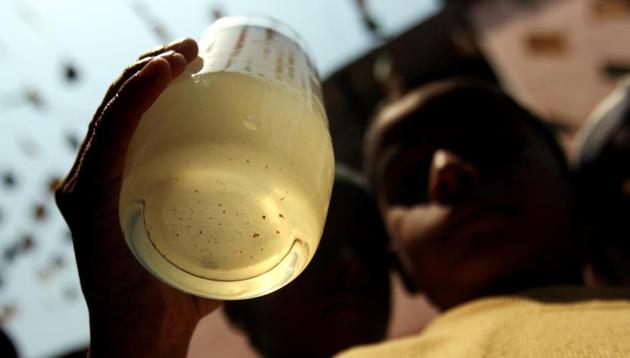
More than 100 persons have been hospitalized with diarrhoea in Ganjam, Kalahandi and Keonjhar districts in Odisha since Sunday, with water contamination being the suspected cause of the outbreaks.
Diarrhoea outbreaks in several villages in Odisha’s Ganjam district has led to at least 28 hospitalisations since Sunday night. The outbreak, which started after a village feast in Jakara village in the Polasara block of Ganjam, has now spread to Jagannathprasad block and Kabisuryanagar town.
“People with acute diarrhoea were admitted to community health centre at Polasara town and almost all of them have been treated and cured,” confirmed additional district medical officer (public health) Dr Jagadeesh Patnaik on Wednesday.
More than 100 persons have been hospitalized with diarrhoea in Ganjam, Kalahandi and Keonjhar districts in Odisha since Sunday, with water contamination being the suspected cause of the outbreaks.
Recurrent outbreaks since March 25 have led to 150 hospitalisations and one death in Ganjam district alone.
Diarrhoea is a water- and food-borne infection that can be caused by viruses, bacteria or parasites. It causes watery stools, stomach cramps, nausea vomiting, headache and appetite loss.
The stomach distress lasting for a day or two when caused by a virus (norovirus), but when it is caused by campylobacter or salmonella bacteria, it lasts for up to week. Diarrhoea caused by giardiasis (Giardia intestinalis parasite) can last for weeks if left untreated.
Viral infections need no treatment except drinking lots of fluids and using oral rehydration salts (ORS) to replace the body’s lost water and electrolytes, but antibiotics and anti-parasitics are prescribed to treat acute bacterial and parasitic stomach infections.
The causes of the Odisha outbreaks have not yet been identified, but water purification efforts have begun. “A medical relief centre has been set up in Jakara village to provide immediate treatment, all the water sources have been disinfected while halogen, and ORS packets have been distributed to the families of those affected to stop further spread of the disease,” Dr Patnaik said. “Tankers are providing safe drinking water in three of 18 wards that are the worst affected.”
Doc on Call
Have an upset stomach? Here’s when you must visit a doctor.
• Blood in your stools or black, tarry stools
• High fever (above 101 F) for more than 24 hours
• Acute diaorrhea for more than 2 days
• Severe pain in stomach or rectum
• Dehydration, marked by dark or no urine, rapid heart rate, headache, dry skin, confusion

Catch your daily dose of Fashion, Taylor Swift, Health, Festivals, Travel, Relationship, Recipe and all the other Latest Lifestyle News on Hindustan Times Website and APPs.


