
 E-Paper



Pregnant Women Are Turning to Cannabis to Ease Pain and Anxiety
Cannabis use during pregnancy is on the rise, although research suggests it can disupt early fetal brain development and increase the odds of premature birth.


 Prefer HTon Google


ELKINS, W.Va.—Pregnancy was a complicated time for Tasha Taylor. The 33-year-old was already managing her bipolar disorder with a psych medication when she got pregnant. Then Taylor learned the prescription drug could hurt her baby.
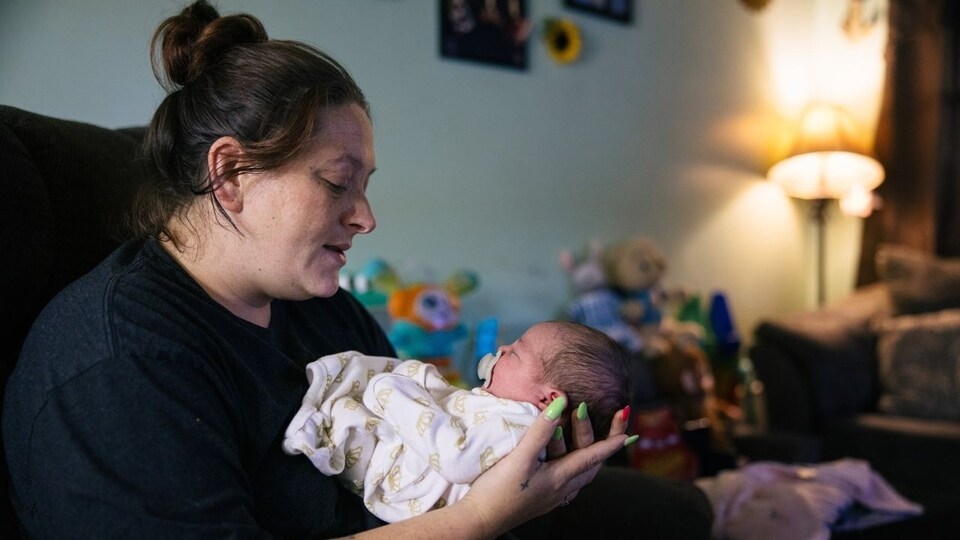
She decided to get off the medication, which led to night terrors. She’d wake up shaking from nightmares of her abusive ex-partner. She struggled to eat.
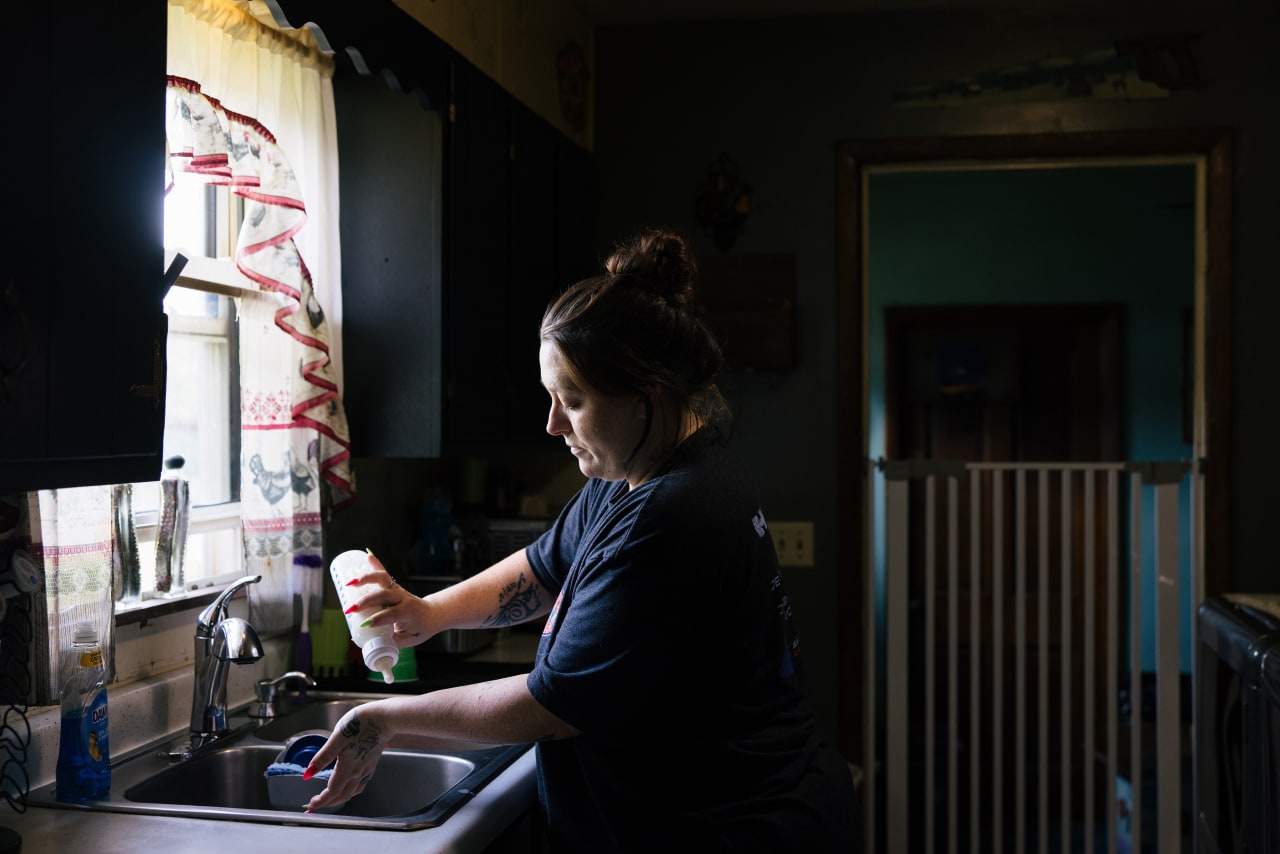
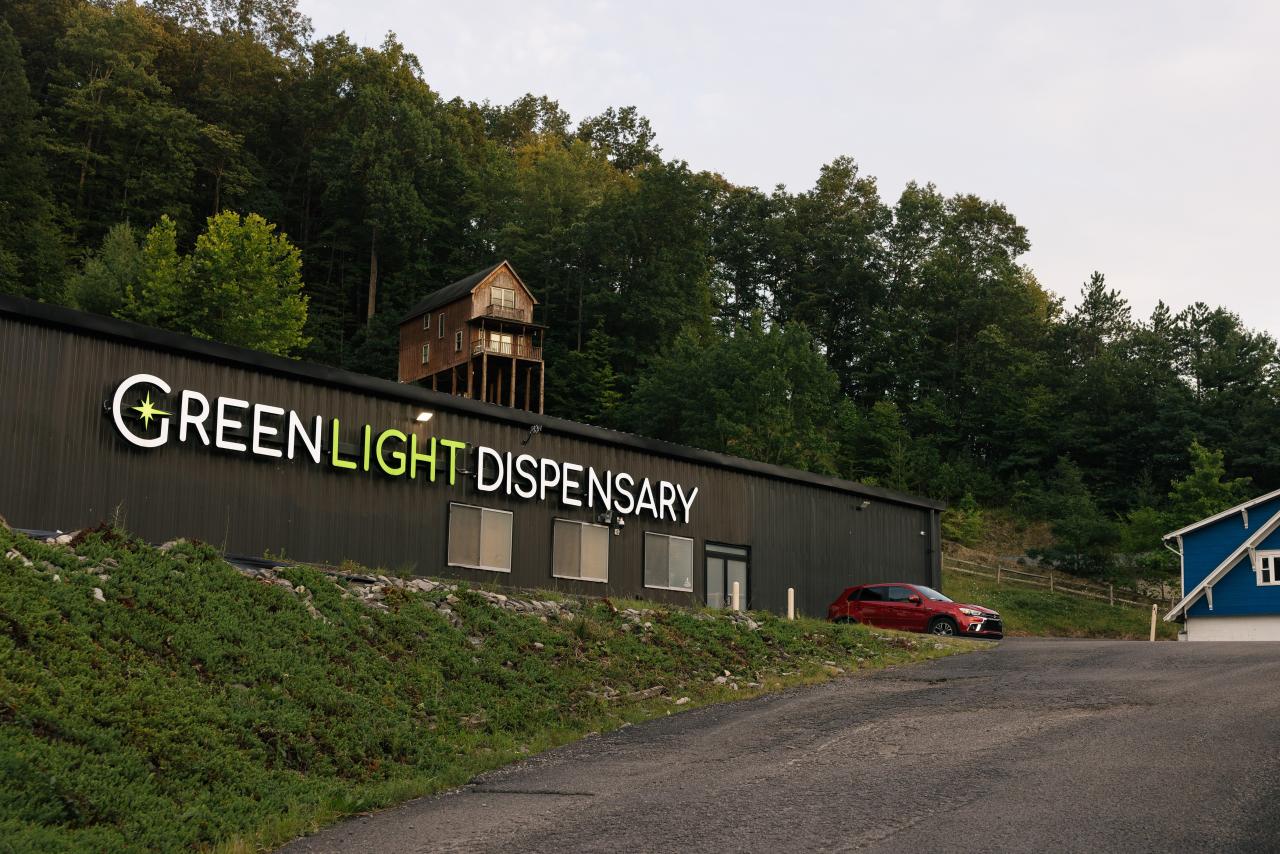
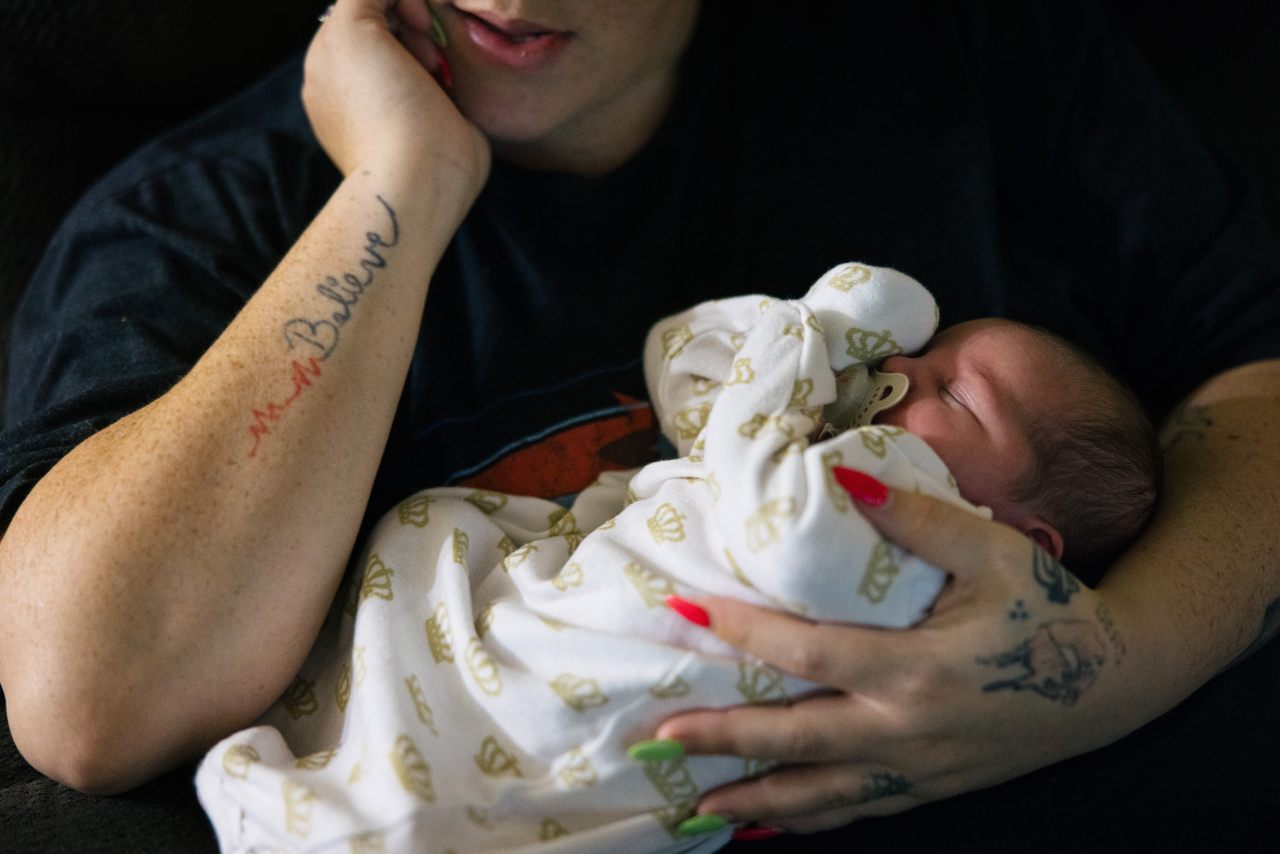
Taylor went on to get a medical marijuana card. The cannabis helped her sleep during her pregnancy and tamped down feelings of mania. She would only take a little before bed, said Taylor, who lives in the small home where her parents raised her on the southeastern edge of Elkins, about half a mile from the cannabis dispensary.
“There’s so much worse stuff that people could be doing than a plant God put on this earth,” she said.
Taylor is among the increasing number of women using cannabis during pregnancy. Many are driven by a fear of how prescription drugs could affect their babies’ health, and they consider it safe to aid with pain, extreme nausea and sleeplessness, among other conditions.
An analysis of data from the National Survey on Drug Use and Health shows that cannabis use during pregnancy has risen in recent years and is highest in the first trimester. According to data from NSDUH, 5.4% of pregnant women were using marijuana in 2019 versus 3.5% in 2002. Due to changes in methodology, marijuana use from earlier years cannot be compared with 2020 and onward.
The rise is a growing concern for public-health officials. Though research is limited, recent science indicates that it could disrupt the earliest stages of fetal brain development—especially if the cannabis is of higher potency. Other research has found that cannabis can increase the odds of premature birth, which could bring on more complications.
Still, women are turning to cannabis when they feel they have little recourse. In a 2022 survey of 3,571 pregnant and recently pregnant women, about 17% said they’d used cannabis at least once during pregnancy. More than half said they were using it exclusively for medical reasons. Top among them were stress and anxiety, nausea, lack of sleep, vomiting and pain. Others cited the cost of access to medical professionals versus that of cannabis.
The benefits of cannabis for nausea and pain are well documented. But the science is murky for many mental-health conditions.
Studies about cannabis use—or prescription-drug use—among pregnant women are few and far between. Less than 1% of drug trials include pregnant participants, according to a Brown University School of Public Health analysis of 90,860 drug trials published in April in the American Journal of Obstetrics and Gynecology. That leaves some women turning to doctors, online forums, cannabis companies and fellow expectant mothers for conflicting advice.
“In these studies—we don’t know how much they were consuming, how they were consuming it,” said Kristin Reiswig, founder of Mary Jane Doulas in Colorado, which guides pregnant women who are using cannabis. “There’s just so many gaps.”
How dispensaries operate around the country also adds to the confusion. In many states, cannabis use during pregnancy requires healthcare providers to alert Child Protective Services. Some dispensaries display signs warning pregnant women off cannabis. But in a 2018 study, two-thirds of Colorado dispensaries recommended using cannabis to an anonymous caller claiming to be eight weeks pregnant and experiencing morning sickness.
When Kat Allen was eight weeks pregnant, she was diagnosed with hyperemesis gravidarum, or extreme nausea and vomiting. She vomited 15 to 20 times a day and dry-heaved all day long, in spite of taking three prescribed medications.
“I lived on the couch and then the bathroom. It was really hard,” said the 36-year-old of Arvada, Colo.
She turned to friends and family in the cannabis industry, doctors and the internet for advice. Her doctors offered little guidance. In Facebook groups of expectant mothers, some recommended cannabis to ease the symptoms of hyperemesis gravidarum.
“Some sources seemed credible, others felt misleading, and random internet searches usually just brought up scary or judgmental takes,” Allen said. “It was a constant process of weighing what I read, comparing it to lived experiences, and trying to make sense of it all for myself.”
She started using cannabis and told her doctors, who approved of her decision since it was helping. She could sense the dispensary workers judging her.
When her daughter was born premature and had to use a feeding tube, Allen worried her cannabis use was to blame. CPS was called and interviewed her in her hospital bed but never pursued a case.
Today, Allen’s daughter, Meadow, has grown into a smart and outgoing 6-year-old. “She’s one tough cookie,” Allen said.
Recent research shows that cannabis use during pregnancy is only one part of the equation when it comes to the outcome of a child’s overall health. Paternal cannabis use before conception also can play a role in a baby’s development. The use is associated with changes in sperm DNA for genes that are transmissible to future offspring and critical to neurodevelopment and autism spectrum disorder, according to studies published in Epigenetics and the American Journal of Obstetrics and Gynecology. For men and women, it can also disrupt fertility.
The psychoactive compound in cannabis known as THC “alters the on-and-off of genes that help regulate behavior in adulthood,” said Kristen Gilliland, assistant professor of research at the Warren Center for Neuroscience Drug Discovery, at Vanderbilt University.
In one cohort study conducted from 2016 to 2020, 5-year-olds who had been exposed to cannabis in the womb struggled more with attention and inhibitory control, planning and aggressive behavior. A meta-analysis published in JAMA Pediatrics in May found that prenatal cannabis use was also associated with increased odds of preterm birth, low birth weight and perinatal mortality.
Data suggests that there is minimal risk to the fetus if use is stopped as soon as the mother becomes aware of her pregnancy. Research on cannabis use rarely takes into account timing, dosage and method of use. Marijuana flower is five times more potent now than it was in the 1990s, when earlier studies found no effect on infant development. Other cannabis products such as concentrates and wax can be more than 20 times as potent.
In West Virginia, only medical cannabis use is legal, and it still isn’t on the radar of many doctors. The drug has become the No. 1 substance used by pregnant women, at a conservative estimate of 7.8% of 86,000 births over a five-year period, according to Project WATCH/West Virginia Birth Score Program.
Rachel Royce, who also lives in Elkins, used cannabis during her first pregnancy. But by her second pregnancy she started to worry about some of the things she read about cannabis—even after it helped her with extreme nausea and nerve pain from Type 1 diabetes. She was also worried a hospital might call CPS when she gave birth. The 27-year-old didn’t use it and white-knuckled through the pain and nausea.
“You go into a healthcare system and they can be as scary as CPS,” she said, “because that’s what starts it all.”
Royce’s first-born son, who is 10 years old, was born at a normal birthweight. It was her second-born, Daniel, who landed in the NICU prematurely. Royce said she thinks mothers should have autonomy with the decision of whether to use cannabis.
“We all deserve to have our needs taken care of, no matter what we’re going through,” she said.
Write to Julie Wernau at julie.wernau@wsj.com

Catch your daily dose of Fashion, Health, Festivals, Travel, Relationship, Recipe and all the other Latest Lifestyle News on Hindustan Times Website and APPs.


