
 E-Paper



Severe Covid-19 can damage the brain: Study

 Prefer HTon Google


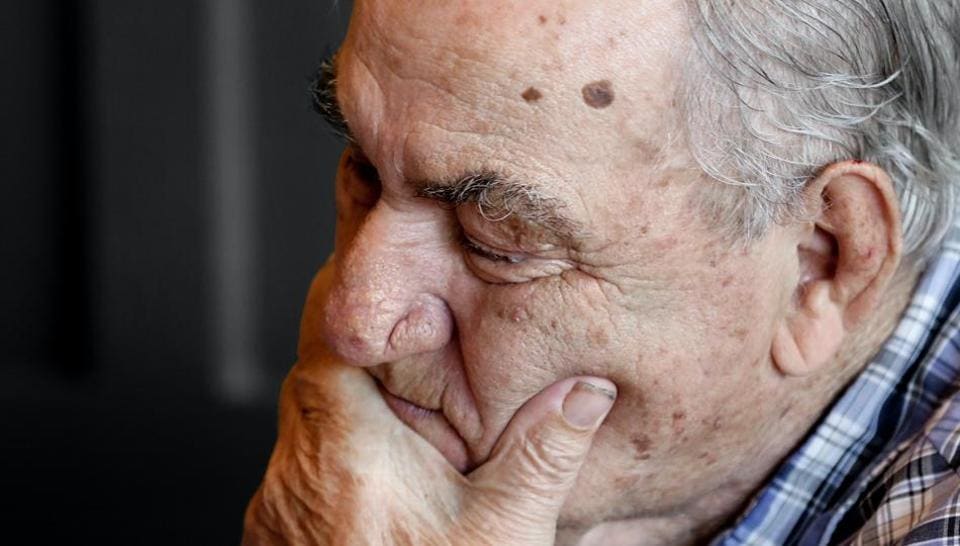
A preliminary study of patients hospitalised with Covid-19 has found the disease can damage the brain, causing complications such as stroke, inflammation, psychosis and dementia-like symptoms in some severe cases.
* Some patients with severe Covid-19 have brain complications
* Most common effect is stroke
* Some show signs of confusion or behavioural changes
A preliminary study of patients hospitalised with Covid-19 has found the disease can damage the brain, causing complications such as stroke, inflammation, psychosis and dementia-like symptoms in some severe cases.
The findings are the first detailed look at a range of neurological complications of Covid-19, the researchers said, and underline a need for larger studies to find the mechanisms behind them and assist the search for treatments.
“This (is) an important snapshot of the brain-related complications of Covid-19 in hospitalised patients. It is critically important that we continue to collect this information to really understand this virus fully,” said Sarah Pett, a University College London professor who co-led the work.
The study, published in the Lancet Psychiatry journal on Thursday, looked in detail at 125 cases from across the UK. Co-lead researcher Benedict Michael, from Liverpool University, said it was important to note that it focused on severe cases.
Data was collected between April 2 and April 26 - when the disease was spreading exponentially in the UK.
The most common brain complication seen was stroke, which was reported in 77 of 125 patients. Of these, most were in patients over 60, and most were caused by a blood clot in the brain, known as an ischaemic stroke.
The study also found that 39 of the 125 patients showed signs of confusion or changes in behaviour reflecting an altered mental state. Of these, nine had unspecified brain dysfunction, known as encephalopathy, and seven had inflammation of the brain, or encephalitis.
Michael said the findings were an important early step towards defining Covid-19’s effect on the brain. “We now need detailed studies to understand the possible biological mechanisms ... so we can explore potential treatments,” he said.
(This story has been published from a wire agency feed without modifications to the text. Only the headline has been changed.)


