
 E-Paper



Reshaping India’s waste management story
This article is authored by Kulraj Ashpnani, partner and Shubham Agarwal, manager, Dhruva Advisors LLP.

 Prefer HTon Google


Extended Producer Responsibility (EPR) is now a key part of initiatives on how countries manage waste. The concept is based on the idea that producers should take responsibility for what happens to their products after use. This includes collection, recycling, and final disposal. EPR, as a concept, started in Sweden in the 1990s and has since been picked up across the world. It shifts the cost and effort of waste management from governments/ municipalities (under the linear structure) to the companies that put products in the market.
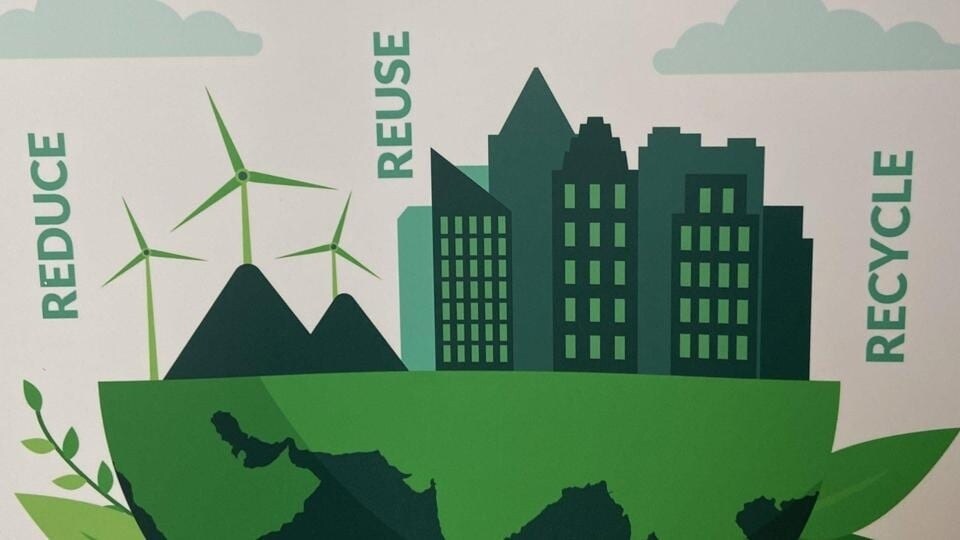
Many countries have integrated EPR into their waste laws. The European Union is a global leader and applies EPR to packaging, electronics, batteries, and more. They’ve created systems that require companies to register, report, and finance waste collection. Countries like Germany, France, and Sweden have detailed rules and use digital tools to track compliance. In Asia, Japan, South Korea, and China have also adopted their own versions of EPR. These international examples show that when supported by good enforcement and clear systems, EPR can improve recycling and reduce pollution.
India has looked at many of these global models while designing its own approach. In India, EPR has become a central part of waste regulation over the last decade. Set-up under the aegis of Environment Protection Act, 1986, the government has brought in separate rules for plastic, electronic waste, and batteries.
The Plastic Waste Management Rules, 2016 introduced EPR for producers, importers, and brand owners. These businesses must register with the Central or State Pollution Control Boards and submit an action plan. They must show how they will collect and process plastic waste. A system of plastic credit certificates allows them to meet targets by buying credits from registered recyclers. The scope of these rules has widened to include multilayered plastics, carry bags, and single-use plastics. Plastics thinner than 120 microns are now banned.
The E-Waste Management Rules, 2016 apply EPR to manufacturers and importers of electrical and electronic equipment. They must meet specific collection targets and set up take-back or drop-off facilities. Companies are also expected to raise awareness about safe disposal of e-waste. All collection and recycling must be done through authorised centres and must be reported regularly to the regulators.
In 2022, the Battery Waste Management Rules extended EPR to producers of batteries - whether lead-acid, lithium-ion, or others. Producers must set up systems to collect and recycle used batteries. They must also report and track movement of waste through an online portal. As with plastics, producers can meet their targets by obtaining certificates from authorised recyclers.
Across all three sectors, there are common compliance steps. Producers must register on CPCB’s (Central Pollution Control Boards) online portal. They need to file regular returns, meet annual targets, and maintain agreements with recyclers or PROs (Producer Responsibility Organisations). PROs act as facilitators and they help producers meet targets by coordinating with waste aggregators and recyclers. Compliance is largely tracked through digital platforms, and certificates are issued to confirm that waste has been processed in line with the rules.
While with all good intents, the implementation of these regulations has not been without issues. Many small businesses find it hard to understand and meet the rules. The online portals, though a good initiative, have had technical issues, causing delays in registration and reporting. There is also overlap between different waste rules. For instance, electronic or plastic waste may also fall under hazardous or solid waste rules, creating confusion for businesses. Enforcement varies between states, and many companies struggle to keep up with changing expectations.
Despite these challenges, EPR is a step in the right direction. It pushes producers to think about the full life cycle of their products. It also reduces pressure on local bodies and opens up new opportunities for the recycling industry. For EPR to succeed, the government needs to improve IT systems, simplify compliance requirements, and clarify overlaps between rules. Bringing the informal sector into the formal waste ecosystem is also essential. Government would also need to bridge the gap in the legal understanding with industry at large and create initiatives for a larger awareness. If implemented correctly, EPR can help India move toward a more circular, sustainable economy.
This article is authored by Kulraj Ashpnani, partner and Shubham Agarwal, manager, Dhruva Advisors LLP.


