
 E-Paper



Innovation and technology solutions to combat declining cotton yields
This article is authored by Ashima Sheth, chief digital and information officer, Godrej Agrovet Ltd.

 Prefer HTon Google


India is caught in the grip of a cotton crisis. With the production for the current marketing year projected to plummet to a 10-year low, there is an urgent need to reverse a persistent decline in the crop’s yields and at the same time equip the sector with the resilience to thrive in the future of multiplying threats.
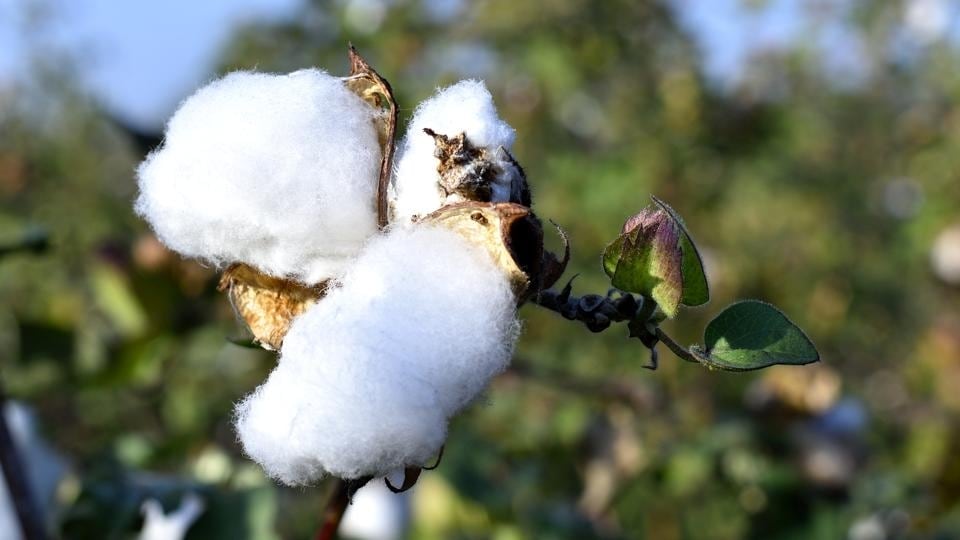
From the climate crisis and increasing incidences of pest infestation to falling prices and rising input costs, the country’s cotton sector is beset by a mounting set of challenges. With these hardships only set to intensify as the planet continues to warm further, for a largest cotton producer country in the world, reversing this trajectory is not just necessary but critical to safeguarding the future of cotton in India.
Technology could hold the key to doing so. In uplifting livelihood of six million farmers.
Technology has pervaded every aspect of our lives. From the way we transact to the way we communicate, from the way we travel to the way we shop, technology has been a transformative force that has reshaped human existence.
Yes, there are barriers to harnessing the full potential of technology, especially when it comes to the agriculture sector.
For starters, there is the lack of digital literacy. Smartphone penetration among cotton farmers has surged from 42% in 2019 to 80% by 2023. But, actual usage of advanced digital tools remains limited. For instance, with farmlands grappling with connectivity issue, it is estimated that as of 2025 only about 30% of cotton acreage will be covered by tech-enabled practices.
Smartphone usage in rural areas has risen but many regions still lack access to stable, uninterrupted internet connections.
The cost of digital tools is another factor deterring adoption. Even when subsidies or pilot programmes are available, scalability remains a challenge due to affordability concerns.
Language can also act as a barrier. India is a diverse country which enriched by a vibrant tapestry of regional languages and dialects. Digital advisory platforms don’t replicate this breadth of diversity and often lack regional language support or cultural contextualisation.
Lastly, farmers are simply unaware of the benefits of embracing digital technology. The lack of demonstrable Return on Investment (ROI) and success stories in their local context makes them hesitant to invest or engage. Farmers’ initial acceptance of mobile platforms is shaped by peer influence, while continued use depends on perceived performance, ease of use, and trust.
If farmers aren’t aware of the ROI technology adoption is going to bring them, they are unlikely to recommend digital tools to their peers while also discontinuing their own use due to lack of clarity or perceived complexity.
But, that’s not to say that technology can’t play a similarly transformative role where the cotton sector is concerned as it has in the rest of our lives. As a matter of fact, it can help the sector unlock unprecedented productivity even in the face of unprecedented challenges.
Innovative, technology-driven solutions can play a significant role in making our cotton production systems resilient, efficient and sustainable.
The Internet of Things (IoT) for instance, can step up the effectiveness of practices like precision farming. They can allow farmers to calibrate irrigation, nutritional and protection interventions more closely to the crop’s needs.
GPS technology and drones can complement sensor-based IoT systems by monitoring for real-time weather and disease or pest outbreaks.
Finally, technology like Artificial Intelligence (AI) and Machine Learning (ML) can crunch and interpret all the data generated by the IoT sensors empowering farmers with a body of actionable information and insights.
The use of technology need not be limited to farmlands either.
The power of the blockchain can introduce a whole new layer of transparency to the cotton supply chain. It can help farmers acquire a better price for their crop, especially in the case of sustainably grown or certified varieties by authenticating their origin.
Blockchain technology can also help farmers offer verifiable proof that they’ve adhered to certain standards while growing their crop. This can pave the way for them to market their yield and form commercial tie-ups with brands and customers who value such practices.
That said, the digital divide must be bridged to reap the full benefits of such technologies. And it is herein that programmes like e-Kapas network, which help deliver voice-based advisories in local languages, have shown how hyper-local farmer-friendly communication can accelerate the adoption of practices that aid in enhancing yield.
However, with over six million cotton growers spread across diverse and often remote regions in the country, innovation alone cannot aid scale such efforts for mass usage. The need for an hour is strong public-private partnerships. The combined efforts – government’s scale for an outreach coupled with the agility and technological expertise of the private sector – can help make digital tools more affordable, accessible, and relevant to farmers’ day-to-day realities.
Equally critical is fostering adoption by building digital trust, showcasing tangible benefits, and enabling peer-led learning models that resonate with farmers’ lived experiences. Only by ensuring that technology is not just available but actively embraced can we secure a resilient, productive, and inclusive future for India’s cotton economy.
This article is authored by Ashima Sheth, chief digital and information officer, Godrej Agrovet Ltd.


