
 E-Paper



Women in agriculture: Invisible backbone of rural economies
This article is authored by Monica B Sood, chairperson, National Unity and Security Council.

 Prefer HTon Google


Women who work in agriculture in Bharat's rural areas often hold the most important but least recognised jobs. They don't just work the land; they build strong ecosystems, start businesses that last, and are the very ties that hold village economies together with the national economy. If you think of them as secondary actors, you don't understand how quickly green industries are growing in our hinterlands and how much these women are adding to Bharat's GDP in very important ways.
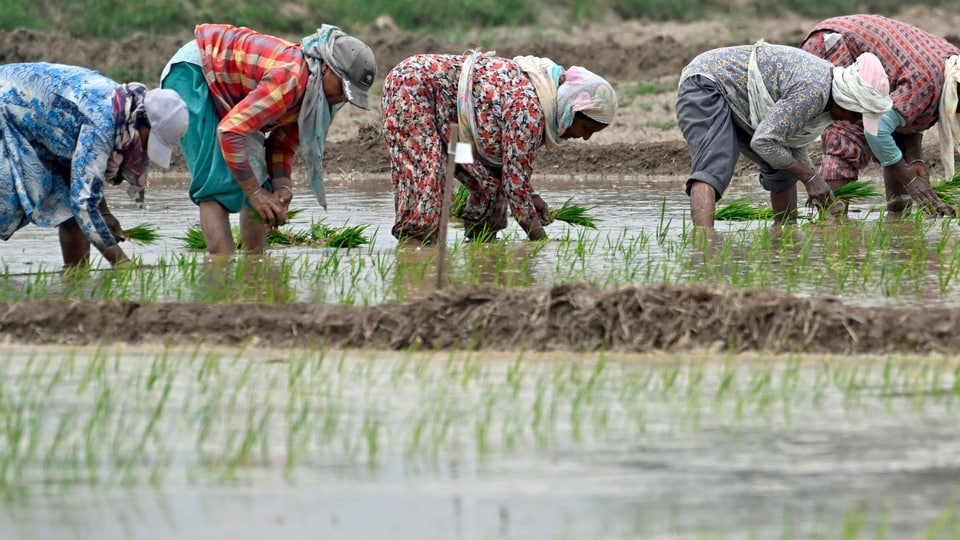
The rise of regenerative and organic farming cooperatives, many of which are run, managed, and set up by women's self-help groups (SHGs), is at the heart of this change. These cooperatives are trying out climate-smart crops in addition to growing staples. These include drought-resistant millets, nitrogen-fixing legumes, and native pulses that grow well in tribal areas. These groups are not only saving up to 40% on input costs by using vermicompost bins and neem-based biopesticides instead of synthetic fertilisers, but they are also getting top dollar in urban green-food markets. The result is that the environment is restored and rural incomes go up, which directly affects the national gross domestic product (GDP).
But the power of rural women goes beyond the fields. Women in groups all over Chhattisgarh, Odisha, and Jharkhand have built solar-drip irrigation networks that cut water use in half, making streams and aquifers available for community use. These kinds of new ideas have drawn micro-venture capitalists and impact investors, who know that these women, who are often the first to feel the effects of climate change, not only know a lot about local agro-ecology but also have the determination to make solutions work on a larger scale. When these green industries do well, their benefits spread to other areas. For example, schools can take in more students, health centres can stock up on important medicines, and regional transport services can grow to bring fresh food to markets far away.
The rise of women-led agroforestry businesses is probably the most interesting new development. Tribal women are storing carbon, diversifying their income, and making habitat corridors for pollinators by planting trees for timber, fruit, and fodder in the fields. In a notable project in Uttarakhand, a group of women turned damaged hill slopes into productive apple orchards that were intercropped with local mushrooms and honeybee hives. This model not only increased GDP contributions per hectare, but it also protected biodiversity and made communities more resilient to soil erosion.
These many-sided efforts go against the idea that big agribusiness is the only thing that makes rural areas rich. Instead, they show how smallholder women are the unseen backbone of Bharat's economy through cooperative governance, traditional knowledge, and green innovation. In boardrooms, their work may not get much attention, but in the halls of national policy, more and more people are realising that giving these rural and tribal women more power is essential to meeting our climate goals and goals for inclusive growth.
To honour the true backbone of our country, we must change the way we think about development to take into account the skills of rural women. This means making it easier for women to get loans from rural banks that are sensitive to gender issues, putting money into decentralised cold-chain networks run by women entrepreneurs, and creating digital marketplaces that connect farmers and artisans in villages directly with customers. It also asks us to honour their contributions as not just extra, but as essential to Bharat's journey towards a fair and green future.
In the end, women in agriculture are not just passive recipients of progress; They are its main drivers. Their strong will, creative ideas, and care for the environment have quietly but permanently strengthened the rural economies that keep our country going. If you only see them as workers, you are downplaying the very thing that is driving Bharat towards its next stage of success. It's time to take the cover off this hidden backbone and see the rural woman farmer as the real backbone of our great country.
This article is authored by Monica B Sood, chairperson, National Unity and Security Council.


