
 E-Paper



A tale of two horrors
This article is authored by Anita Anand, development and communications consultant, Goa.

 Prefer HTon Google


Globally, there is evidence that women routinely face violence, both within and outside their homes. But two recent cases of horrific violence have come to light that are beyond our imagination.
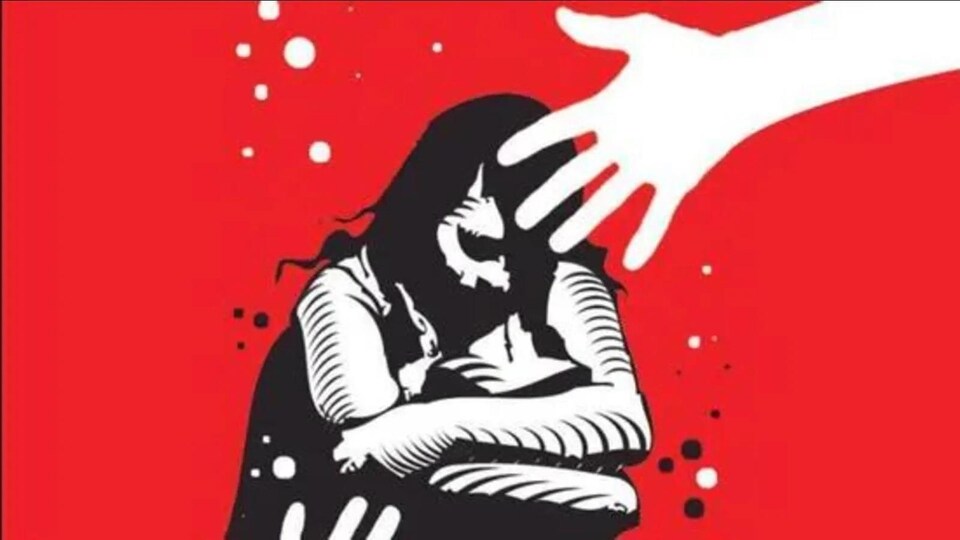
In 2024, 73-year-old Frenchwoman Gisele Pelicot, née Guillou, became a feminist icon when she waived her right to anonymity as the victim in the Pelicot rape case. Between 2011 and 2020, while unconscious, she was drugged and raped by her husband, Dominique, and dozens of other men, mostly in the couple's home in Mazan. She became aware of the abuse only in 2020, when Dominique was arrested for upskirting women in a local supermarket. A police search of his computer equipment revealed images of Gisele being raped.
In 2024, Dominique was convicted of aggravated rape and sentenced to the maximum 20-year term. Of the remaining 50 co-defendants, 49 were found guilty of aggravated rape, attempted rape, or sexual assault against Gisèle and sentenced to between three- and 15-years' imprisonment.
The case attracted international media attention, and Gisèle's courage and determination to speak out on behalf of all victims of sexual assault earned her international support and admiration. She was included on the BBC's 2024 100 Women list and the Financial Times' list of the 25 most influential women of the year, and was appointed a knight of the Legion of Honour on Bastille Day (July 14, 2025). In February 2026, she published a co-written memoir, Et la joie de vivre, or A Hymn to Life: Shame Has to Change Sides, which was released worldwide in 22 languages.
Meanwhile, it is impossible to ignore the publicity surrounding the Epstein files, which involve Jeffrey Epstein, who made much of his fortune by providing tax and estate services to billionaires and cultivated an elite social circle of prominent individuals. In 2008, he was convicted of soliciting a minor for prostitution, and in 2019, he was indicted for sex trafficking minors in the 2000s. In 2019, he died in custody awaiting trial, and his death was ruled a suicide.
Epstein’s main partner in crime was his companion, Ghislaine Maxwell, a British former socialite who, in 2022, was convicted of child sex trafficking and sentenced to 20 years in prison. It was primarily Maxwell who identified and lured girls as young as 13 into Epstein’s den of vice.
Among the hundreds of girls and women Epstein abused, the most vocal helping to bring down Epstein was Virginia Roberts Giuffre, who died in 2025. Her memoir, Nobody’s Girl: A Memoir of Surviving Abuse and Fighting for Justice, is a detailed account of her life before, during, and after her time with Epstein.
Both Gisele and Virginia displayed enormous courage and persistence in speaking out about the violence they experienced. Normally, girls and women are discouraged from speaking out, often by their loved ones, and when they do, they are not believed or taken seriously. When Virginia Roberts reported her assault by Epstein and Maxwell to the local police in Florida, her complaint was not followed up. She persisted and then approached the FBI, which was also ignored.
In two documentaries streaming on Netflix that focus on Maxwell and Epstein, several of the young girls, now grown women, repeatedly said that their complaints to the justice system were ignored and even hushed up. Knowing what is now known about the case, as the Epstein files, videos and photographs are released, even with the redactions, it is clear that the conspiracy of silence to keep the assaults and rapes out of the public eye was just that.
In Epstein’s case, as more information emerges about the men in high places who abused underage girls and young women, heads are rolling. Ministers, deans, heads of colleges and universities, royalty, financial experts, and respected Nobel Prize winners have resigned and admitted guilt. Many of them say there was an ‘error of judgment’ on their part. Some have denied any wrongdoing, saying they became associated with him over time and sought financial advice. Just that.
Although Epstein was never brought to trial because he technically committed suicide in jail, the survivors are angry and disappointed that he escaped a public trial, convinced he would have been found guilty.
Similarly, in Gisele Picot’s case, she demanded a public trial to ensure that people knew what happened. As she said, and then it became the title of her memoir: Shame has to change sides as women must not be shamed. It’s the men.
The Epstein case is a stark reminder that the rich and powerful often get away with most misdemeanours. The justice system turned a blind eye as underage girls and women were assaulted by men old enough to be their fathers. In the case of Virginia Roberts, abuse began at seven in her parents' home and continued. Survivor after survivor in the documentaries talks about how they coped and what it has done to them. When they tried to escape, both Epstein and Maxwell stalked and threatened them, and the women lived a life of fear and violence.
In recent times, sexual crimes, which have existed forever, have been investigated and made public, with the media highlighting them. In 2002, the Catholic Church’s cover-up of widespread sexual abuse was exposed. In 2017, the Harvey Weinstein scandal also exposed abuse in the entertainment industry. The #MeToo movement, which then went global, encouraged women to speak out about the sexual harassment they face across industries, including sports, entertainment, organisations, and institutions. But the consequences continue to adversely affect women in their private and public lives.
How do we make sense of all this? What can we do to ensure these abuses do not continue? Most urgently, we need to discuss sex and sexuality early, across all institutions – families, educational, religious and in the workplace. Simply passing laws or incarcerating predators isn’t enough. Both boys and girls, men and women must learn what constitutes appropriate and inappropriate sexual activity.
Until then, the horrors will continue.
This article is authored by Anita Anand, development and communications consultant, Goa.


