
 E-Paper



UP: Women now get safety and opportunity
This article is authored by Advaita Kala, author and columnist, New Delhi.

 Prefer HTon Google


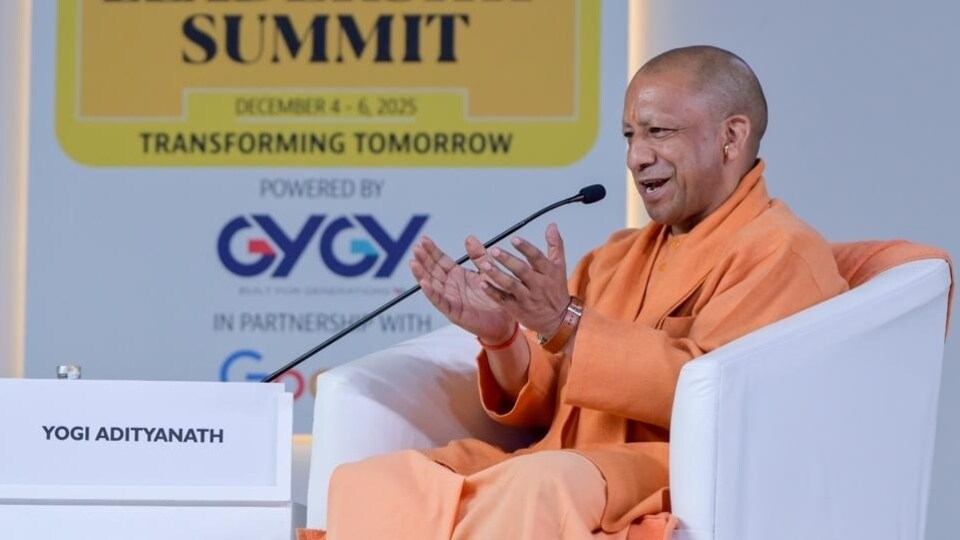
Speaking at The Hindustan Times Leadership Summit recently, Uttar Pradesh Chief Minister Yogi Adityanath emphasised the vast improvement in the law and order situation in his state. This achievement is there for all to see. It is not obfuscated by malleable statistics or debate, the evidence is visible in the lives that women and girls are embracing in a safer Uttar Pradesh.
Before Yogi government took office, there was a particularly dark “joke” that used to do the rounds – “even Yamraj, the god of death, was scared to step out after dark”. This misplaced sense of humour was a dig at the helplessness that women felt, and a silent rage against the system that abetted this environment. Like all humour, it revealed an embedded truth, women in UP did not feel safe, not in the streets or the fields, rural or urban the fear was real.
Today Yamraj is evoked again, but this time by the person in the top office, Yogi has issued a clear warning to the hoodlums who think it’s their birth-right to harass women, “Try teasing a daughter only if you want to meet Yamraj”.
At the heart of this radical transformation is not statements, but a clear plan to transform the state through policy, policing, economy, and culture, all at once. To build up women empowerment ground up, Mission Shakti 5.0 is one of the programmes that's trying to do what few government schemes dare.
Most governments deploy CCTV cameras or better street lights in their efforts to make spaces safe for women. They do help. But these steps assume danger is inevitable and are, therefore, reactive, as well as reveal a trapped mindset, one that is constantly in fight or flight mode.
Mission Shakti 5.0 takes a different approach as it asks a more radical question: What if women didn't have to live in fear in the first place? That's why the government set up Mission Shakti Centres in 1,663 police stations across the state, where women can register complaints without judgment, get legal advice, access psychological counselling, and receive institutional support. And you have policewomen dealing with complaints for women. This is policing that builds trust, not fear. And trust changes everything. Representation matters in khaki as well. UP now has 44,177 women police officers on active duty.
In this digital age harassment doesn't stop at our front door. For a long time, women were told: "Just don't post photos." "Stay off social media." “That's the price of being online.”
But the state government approached the issue in a way that gave women the tools to fight back. Over 50,000 women have been trained in advanced digital literacy and on how to recognise fake accounts, secure their data, report cybercrimes, and protect their identity online. Through the Shakti Samvad programme, another 14.7 lakh women and girls were educated about cybersecurity, self-defence, and their legal rights. When you know your rights, you stop being a victim.
A big impediment in elevating the women in our societies has been economic dependence. Take property ownership, for example. The continuation of the 1% stamp duty reduction for properties registered gives a woman financial independence, bargaining power in the family, social respect, and a safety net. Property is not just an asset; it makes a woman autonomous.
Then there's the Mukhyamantri Kanya Sumangala Yojana, which gives financial support at every major life stage, birth, vaccination, school entry, Class 10 and 12, and graduation. This ensures families see their daughters as assets, not liabilities. And it keeps girls in school, which is the single biggest factor in long-term empowerment. The Mass Marriage Scheme helps poor families marry their daughters without taking loans, a silent and inevitable debt trap that keeps generations in poverty. And old-age pensions ensure that women who spent their lives doing unpaid work; raising kids, cooking, cleaning, now get dignity and recognition.
Uttar Pradesh that was once unsafe for women at night is now legally enabling them to work all night and creating a safe working environment, by making employers accountable. Women's empowerment doesn't happen in a vacuum. It needs jobs. The state added 5.5 lakh manufacturing jobs and 29 lakh jobs in the unorganised sector. Through EPFO alone, 46.6 lakh formal jobs were created. Startups grew from 807 to 3,426, creating over one lakh jobs, and more than 6,800 of those startups are now led by women.
An empowered woman needs a moving economy. UP is giving her that runway. She doesn't just need safety. She needs opportunity. And for the first time in a long time, both are arriving together.
This article is authored by Advaita Kala, author and columnist, New Delhi.


