
 E-Paper



How BMC’s PPP model can reshape India’s school ecosystem
This article is authored by Prabhakar Patil, former adjunct professor, IIM, Mumbai and former CGM, SEBI.

 Prefer HTon Google


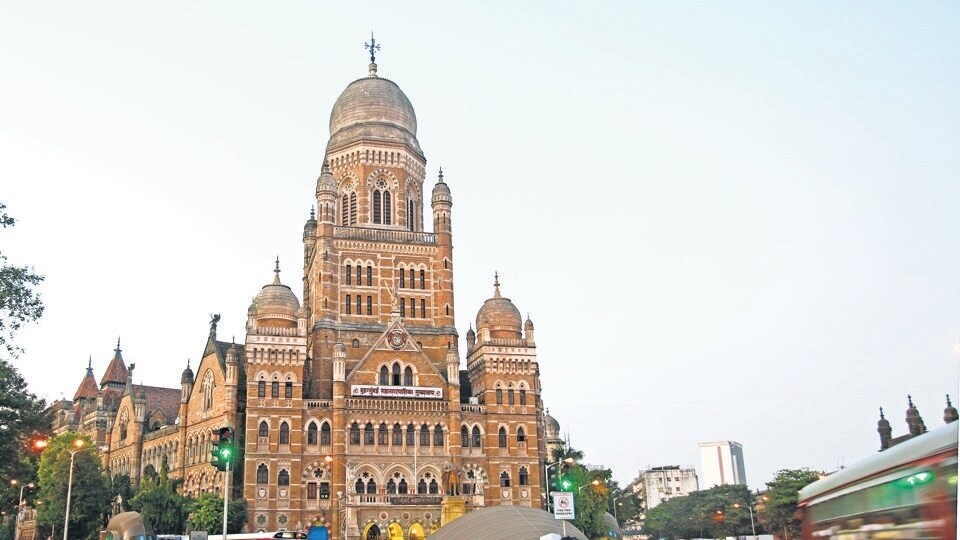
The Brihanmumbai Municipal Corporation’s (BMC) 30-year Public-Private Partnership (PPP) initiative in education constitutes a major change in how Mumbai’s public schools will be shaped. It is not only about facilities or systems, but a structural change in how education will be governed and delivered. With private institutions becoming long-term partners, the impact will extend beyond classrooms to influence quality learning, school culture, equality, community trust, and the values passed on to future generations.
For the younger generation, civic schools represent hope and opportunity. With stronger exposure and healthier learning environments, their dreams can be fulfilled by making them employable. Education should not only prepare students for exams, but also train them in analytical skills. A stronger school ecosystem can create better employment opportunities as students grow, helping them move forward with dignity, stability, and economic independence. This will result in a stronger and more credible Nation with skilled manpower.
Language and culture remain central. Marathi must continue as a medium of communication, identity, and belonging, while national Boards like CBSE and ICSE provide wider exposure and competitiveness. This proportion allows students to grow nationally without losing their cultural identity. Knowledge of languages will enrich pupils' IQs, and this message needs to be spread across the nation.
The participation of the private sector can be clearly seen through a natural experiment in the banking sector. Both public and private sector banks serve society. This difference in efficiency shows how systems that do not evolve can fall behind, even when their purpose is noble. Public sector banks, due to rigid systems, slower reforms, and bureaucratic structures, struggled to keep pace with this rate of change.
Private banks invested in digital banking, process efficiency, performance systems, and customer experience, which changed how people access and use financial services. As a result, public sector banks began accelerating their pace of change alongside private banks in areas such as technology adoption, customer service, operational speed, digital systems, innovation, and professional management practices. This example is not only about collaboration, but about transformation through modernisation and reform. Education encounters a similar challenge — if systems do not adapt, evolve, and modernise, they risk becoming outdated and ineffective, even with strong intentions.
The real transformation does not lie in physical development, but in creating better hiring systems, a more competitive professional environment, and attracting pupils from diversified backgrounds into education. When professionals with different expertise and experience enter the system, learning environments become increasingly dynamic and future-ready. Strong education systems are built through people, leadership, and human capital.
Inclusion must remain at the core of this reform. If 25% of students receive free education till Class 10 in a diversified environment, it leads to high competitiveness that gets embedded in this younger lot. These deserving students will become nation builders with a good quality education.
Fundamental to this reform are teachers. Systems do not educate children—teachers do. The success of this PPP will depend on how teachers are engaged. If they are respected, supported, and retained, the system can succeed. The existing private schools are a living example of success, attracting motivated teachers who provide the best guidance to the younger generation.
BMC’s PPP plan can transform Mumbai’s schools if implemented with balance and responsibility. Education is not only preparation for jobs, but for citizenship; not simply skill development, but character building; not just management, but nation-building. The future of Mumbai’s children depends not on structures alone, but on values, people, and purpose. The success of this model will pave the way for all government institutions in India to implement it.
This article is authored by Prabhakar Patil, former adjunct professor, IIM, Mumbai and former CGM, SEBI.


