
 E-Paper



Effects of US visa policies on India and China
This article is authored by Ananya Raj Kakoti, scholar, international relations, Jawaharlal Nehru University, New Delhi.

 Prefer HTon Google


Tighter US migration and visa policies in 2025, particularly under President Trump’s administration, have created major obstacles for global talent flows, especially from source countries such as India and China. Whether these restrictions represent a net burden or an inadvertent boon to sender countries is a nuanced question shaped by economic, social and innovation-linked factors.
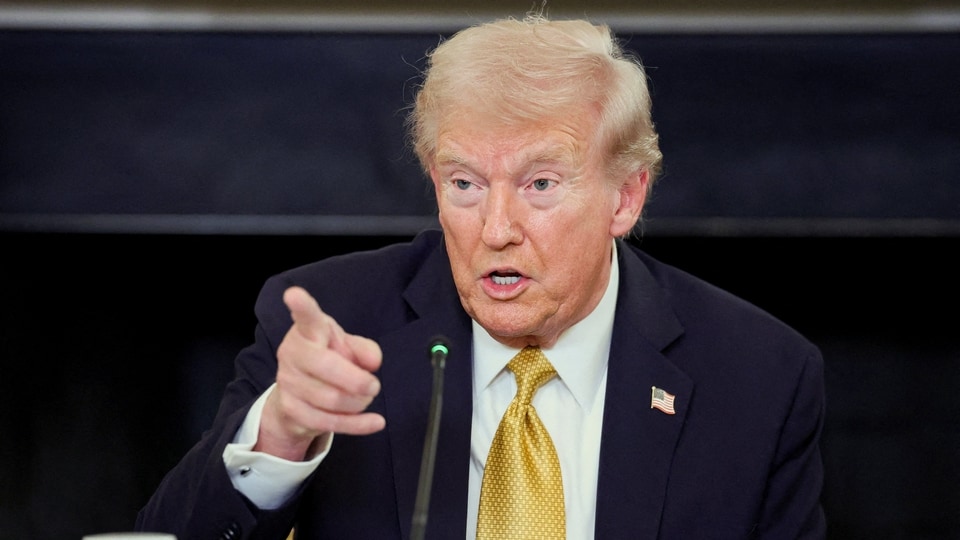
Recent US visa reforms have sharply raised costs and introduced stricter requirements for skilled temporary migration, such as the H-1B programme. Processing fees for H-1B visas now exceed $100,000 in certain cases, with additional legal and compliance costs. Interview waivers have been largely eliminated, and Indian professionals must now schedule interviews within their own country, ending the former practice of visa shopping for shorter appointment queues abroad.
The overall effect is a visible slowdown in skilled migration to the US. In tech and medical sectors, industry leaders warn that restrictive visa quotas, longer processing times, and political pushback are dissuading top talent, especially those from STEM fields.
For countries that have traditionally supplied talent to the US, these changes can induce a double-edged burden:
- Reduced remittance flows: Highly skilled migrants tend to send substantial remittances home, and declining US migration could impact national foreign exchange earnings.
- Scaled-back international exposure and collaboration: Lower mobility to US research hubs may limit exposure to cutting-edge projects, particularly for new entrants in STEM fields.
However, there are counterbalancing factors that might reduce or offset these burdens:
- Brain gain and domestic skill development: Restrictive US policies make return migration or staying home more attractive. India’s 1990s and 2000s IT boom, for example, was partly driven by workers trained with US migration in mind but who eventually contributed to domestic industries due to visa hurdles or personal decisions.
- Shifting talent to other destinations: Many skilled workers are now exploring Canada, Australia, the UK and Europe, where demand for technology, medical and engineering talent remains high and policies are friendlier for skilled immigration.
The shift is not uniformly positive or negative. Studies show a drop in US approval rates for high-skilled visas directly boosts skilled migration to receptive third countries, especially nearby neighbours like Canada. This has complicated effects:
- Competitive pressure: In receiving economies, increased skilled migration may depress wages slightly in sectors where domestic and foreign workers are direct substitutes. In sender countries, those who remain (voluntarily or otherwise) help fuel domestic innovation, entrepreneurship and new global service exports.
- Innovation ecosystem: US policy restrictions have led to emergent tech and research hubs in India, China and other major source countries, reducing reliance on expatriate success and promoting national self-sufficiency for key industries.
While rising visa barriers limit opportunities and earnings for some, they can catalyse beneficial transformations in sender countries, often described as reverse brain drain or brain gain. Returnees bring global experience, spur domestic firms and elevate technical standards across workforces. India’s IT sector, today globally competitive, is a testament to the long-run advantages sometimes created by migration bottlenecks.
Yet the transitional losses, foregone individual aspirations, reduced remittance flows and slower international cross-pollination, remain real and significant, especially for families and communities reliant on migration-linked prosperity.
Restrictive US visa reforms in 2025 present sender countries with both challenges and opportunities. While immediate economic, social and aspirational burdens endure, longer-term gains in local technical capability and innovation could arise as more professionals re-orient their careers towards domestic growth or alternative international destinations. For policymakers, finding a balance between supporting overseas aspirations and building resilient, high-value domestic industries will be essential in this new global paradigm.
This article is authored by Ananya Raj Kakoti, scholar, international relations, Jawaharlal Nehru University, New Delhi.


