
 E-Paper



India is central to the London success story
This article is authored by Dame Susan Langley, Lady Mayor, City of London.

 Prefer HTon Google


London is one of the world’s safest, most open and most globally connected cities, and a city whose success is deeply intertwined with India’s own economic rise. But scroll through social media today and you would wrongly think it is unsafe and no longer welcoming to the world. Short video clips and false headlines can travel faster than facts. But for people from India considering London, a fantastic city, as a place to live, work, study or invest, it is vital to separate viral disinformation from reality.
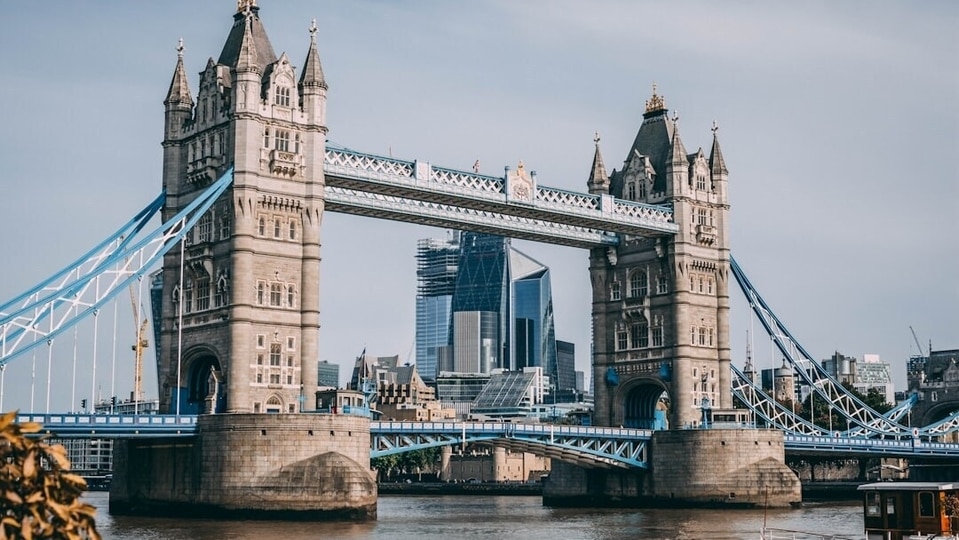
Economically, London remains a world-leading hub. The UK ranks second globally as a destination for investment in PwC’s latest CEO survey, and London sits at the centre of a financial ecosystem that competitors struggle to replicate. Our insurance market has doubled in size over the past decade and is now worth $187 billion — larger than its global competitors combined. The UK is also Europe’s most active capital-raising market and home to the largest tech ecosystem on the continent, with more tech unicorns than any other European country.
So, let me start with firmly correcting the facts on crime, because this is where false information is most persistent. London, is like any global city of nine million people, faces challenges. But fake social media exaggeration has created a false and hugely distorted picture. In reality, total crime in London is down, homicides are at their lowest level in a decade, and rates of violent crime are lower than every US state — including New York — and major European capitals such as Paris, Berlin and Madrid. Targeted policing has also delivered real progress on high-profile issues, with phone snatching falling by 12% in 2025 alone. London’s financial district has its own dedicated police force and a crime rate of 0.01% which makes the City of London one of the safest places in the UK and arguably the world.
Perception, however, often lags reality. Research has shown that narratives wrongly describing London as a city in decline have increased between 150 and 200% in 2 years. This false algorithm-driven content attempts to crowds out the real evidence. Those misleading narratives matter, because they risk deterring the talent, students and investment on which global cities — and globally-minded economies like India’s — depend.
London’s openness is not an abstraction; it is visible every day in our Indian community, one of the largest and most successful diasporas in the UK. The Indian diaspora help build our tech companies, manage global capital and enhance our universities. London’s campuses welcome tens of thousands of Indian students each year, many of whom take skills back to India or become bridges between our economies. This exchange of people and ideas is one of our greatest shared assets.
For India, London is a partner. India is now the world’s fastest-growing major economy and is on track to become the third largest by 2031. Its demand for capital — to build infrastructure, expand clean energy and scale digital innovation — aligns closely with London’s strengths as a global financial centre. That is why India is the UK’s second-largest source of foreign direct investment, and the UK is the sixth-largest investor in India. There are more than 1,100 Indian-owned companies operating in the UK and nearly 800 British companies in India, supporting over 600,000 jobs across both countries.
The India-UK Free Trade Agreement signed in July 2025 is a testament to the strength of the UK-India relationship. It is one of the most ambitious trade pacts ever agreed by India and an emphatic signal of the UK’s commitment to a deep, modern and forward-looking partnership with India. This new partnership is not a relic of history, but rather a blueprint for a dynamic future rooted in mutual respect and shared ambition for growth. However, this deal should be the floor—not the ceiling—of our aspirations.
London also plays a unique role in supporting India’s long-term ambitions. Through initiatives such as the UK–India Infrastructure Financing Bridge, London’s financial institutions are helping prepare investor-ready projects in transport, renewables and sustainable infrastructure. Our expertise in green finance, insurance, pensions and capital markets can help mobilise the patient, long-term capital India needs to realise its vision of Viksit Bharat 2047.
None of this means London is complacent. Competition for global investment is fierce, and trust is hard-won and easily undermined. That is why we must be more proactive in telling London’s story, challenging false narratives and speaking openly about both our challenges and our strengths. We cherish our partnerships — and India is incredibly important to us and why I’m excited to be meeting with major Indian businesses and leaders during my visit to New Delhi and Mumbai because silence allows disinformation to fill the void.
For Indians weighing where to study, build a career or invest, my message is simple: ignore the false news. Visit London, speak to those who live and work here, and look at the real facts. London remains safe, global, talented, innovative, and trusted. And as India’s economic influence grows, our shared prosperity depends on keeping that relationship strong, honest and grounded in reality — not rumours.
London’s success has always been built on openness to the world. India is central to that story and will absolutely remain so in the decades ahead.
(The views expressed are personal)
This article is authored by Dame Susan Langley, Lady Mayor, City of London.


