
 E-Paper



Strategic autonomy in the face of pressure
This article is authored by Pravesh Kumar Gupta, associate fellow (Eurasia), Vivekananda International Foundation, New Delhi.

 Prefer HTon Google


Donald Trump's re-election in 2024 was seen by some as a potential stabilising force in a world embroiled in multiple crises. On the campaign trail, Trump boldly claimed he could resolve the Russia–Ukraine conflict within 24 hours. However, those promises have not materialised. Instead, his second term has been marked by erratic decision-making that is straining US ties with key allies and partners, including India.
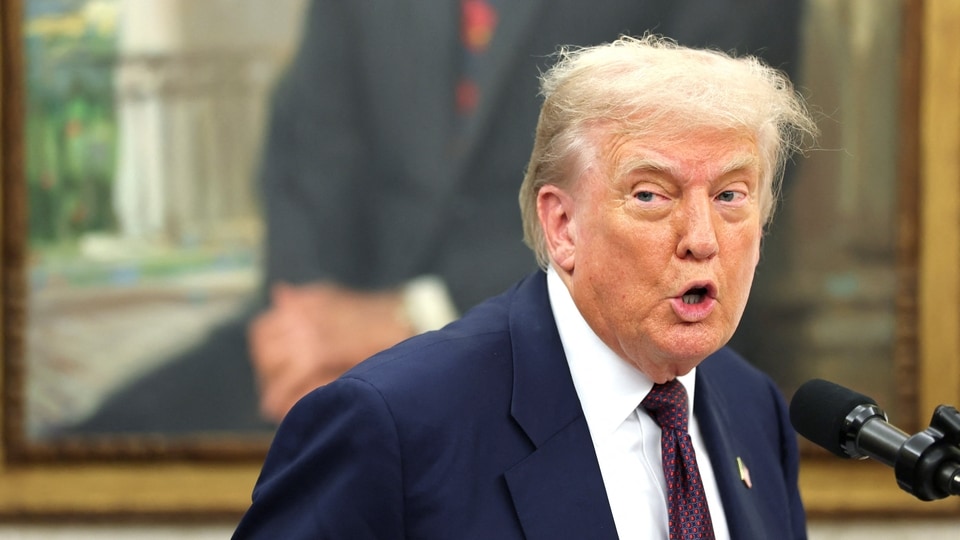
Frustrated by his failure to bring Russia to the negotiating table, Trump appears to be redirecting pressure toward India. His administration has criticised New Delhi’s continued purchase of Russian oil and military equipment, threatening tariffs as high as 50% and other punitive trade measures. These actions seem less about trade policy and more about using India as a lever to influence Moscow, an approach which can be viewed as a deflection from Trump’s own inability to shift Putin’s position.
This criticism, however, reflects a stark double standard. While Washington rebukes India for its economic ties with Russia, both the US and EU continue to import critical goods from Moscow. The EU remains dependent on Russian energy, fertilisers, metals, chemicals, and machinery. The US imports uranium hexafluoride for its nuclear sector, palladium for electric vehicles, and significant volumes of Russian fertilizers and chemicals. These facts expose the selective nature of the Trump administration’s pressure tactics.
Trump’s rhetoric accusing India of “obnoxious” trade barriers and imposing high tariffs is part of his broader transactional foreign policy. He often uses economic tools like tariffs and sanctions to extract concessions, even from strategic partners like India. In this context, Trump’s threats appear to be negotiating ploys aimed at isolating Russia by coercing India into alignment with western positions.
India, however, has maintained a resilient and independent stance. Rooted in its historical commitment to strategic autonomy and non-alignment, India has prioritised its national interest over external pressure. The ministry of external affairs has reiterated that India's relationship with Russia “stands on its own merit” and should not be evaluated through the lens of third countries. New Delhi has consistently defended its Russian oil imports as legitimate and necessary, given its 85–90% reliance on foreign crude and the economic benefits of discounted Russian oil. India further argues that its purchases have contributed to global price stability, preventing oil prices from soaring above $137 per barrel benefiting both emerging and developed economies, including the US.
India’s abstentions from United Nations resolutions on the Russia–Ukraine conflict reflect a pragmatic approach grounded in its long-standing, time-tested partnership with Moscow. For New Delhi, its ties with Russia and the US are not mutually exclusive. India seeks to maintain balanced relations with both, safeguarding its economic and security interests through a nuanced and independent foreign policy.
While the India–Russia oil trade is expected to continue in the near-term, the two countries must work toward diversifying their trade relationship, which currently leans heavily on energy. Broader cooperation in sectors such as technology, defence manufacturing, pharmaceuticals, and critical minerals will be essential for sustaining their strategic ties in a changing geopolitical environment.
India is likely to adopt a wait-and-watch approach to Trump’s threats, treating them as part of a larger negotiation dynamic. Whether the proposed 25–50% tariffs materialise or not, India will factor them into its broader strategy, possibly using the Russia card as leverage in future trade discussions with the US.
It is neither accurate nor constructive to view India–Russia relations through the prism of US anxieties. Framing Russia as a point of friction in US–India ties is misguided and overlooks India’s consistent pursuit of independent diplomacy. The tensions reflect a deeper American expectation that India should align more closely with the West in its confrontation with Russia. Such expectations fail to appreciate the complexity of India’s foreign policy calculus.
China, the largest buyer of Russian crude oil and widely regarded as Washington’s primary strategic adversary, has faced fewer punitive measures. In contrast, New Delhi, one of the US’s most important partners in the Indo-Pacific has been singled out for criticism and targeted with tariff threats.
Given Trump’s unpredictability and penchant for dramatic turnarounds, it is also plausible that he might recalibrate his position. His past record suggests a tendency to pivot if offered a diplomatic win or a chance to boost his global image perhaps even with an eye on accolades like the Nobel Peace Prize. Until then, India will continue to chart its own path, guided by national interest and strategic balance.
This article is authored by Pravesh Kumar Gupta, associate fellow (Eurasia), Vivekananda International Foundation, New Delhi.


