
 E-Paper



Turning H-1B hike into India’s innovation advantage
This article is authored by Shishir Priyadarshi, president, Chintan Research Foundation and former director, WTO.

 Prefer HTon Google


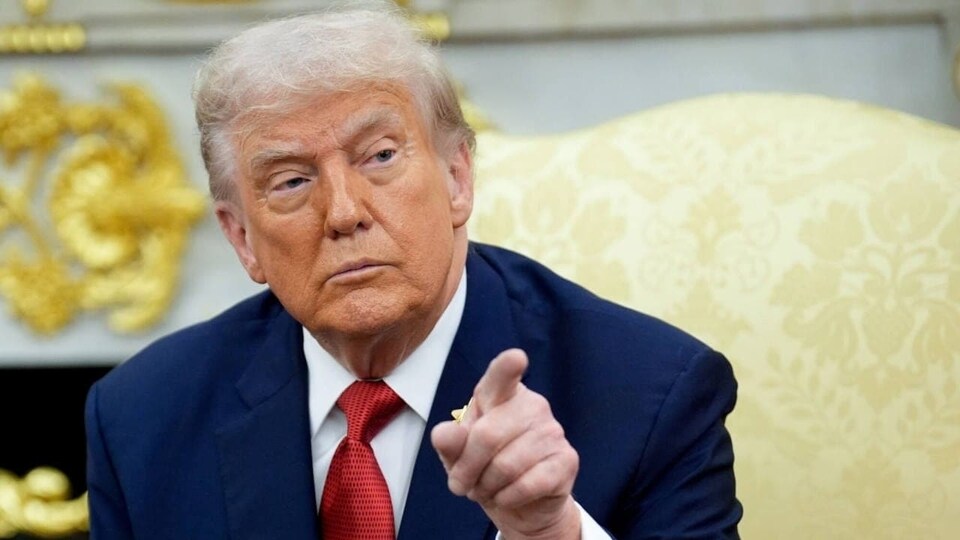
US President Donald Trump's proclamation last Friday upended the global mobility equation for skilled workers. Effective September 21, 2025, the US now mandates a one-time $100,000 fee for new H-1B visa applications—not for renewals or existing holders—dramatically increasing hiring costs overnight for American employers, especially those relying on skilled Indian IT professionals. The announcement sent waves of confusion and panic through immigrant communities, sparking frantic returns and deeply affecting the Indian tech diaspora.
The Indian government wasted no time in voicing its concerns, warning that this abrupt hike could disrupt vital services exports and remittance flows, which have long bolstered India’s economic resilience amid trade uncertainty. “Industry in both India and the US has a stake in innovation and creativity... policymakers will assess recent steps taking into account mutual benefits, which include strong people-to-people ties,” said an official spokesperson.
Indian conglomerates responded quickly and positively. Adani Group’s Jugeshinder Singh declared: “India is a once-in-a-millennium opportunity. India will add an economy the size of the US in the next 25 years, presenting unparalleled professional opportunities. Many doors are open back home.” This sentiment echoed across the C-suites of India’s big employers, with Mahindra’s senior leadership stating, “The choice before Indian talent now is clear—build the future at home, where ideas truly belong and scale has global impact.” Tech Mahindra, one of the companies hardest hit by US policy changes, announced increased local hiring and accelerated investments in innovation centers in India.
In this disrupted landscape, the human stories are most compelling. Consider Priya Mehta, who returned to Bengaluru from Silicon Valley just months before the visa hike. Having spent five years building fintech products in California, she saw an opportunity in India's rapidly digitising market. “I came back because I believe India will define the next decade of tech,” says Mehta. Her startup, focused on inclusive digital lending, is already valued at over $100 million and is attracting international VC attention. Mehta’s story is not unique—there is a surge in reverse brain drain as entrepreneurs and technologists reconsider India as their base for both impact and scale.
Returning professionals aren’t just filling seats—they’re creating new ones. Many bring with them global experience, networks, and a hunger to launch products and platforms. India's startup ecosystem, already among the world’s top five by size, could see supercharged growth in AI, fintech, and deep tech.
Besides Mehta, others have started new ventures spanning sustainable energy, healthcare, and quantum computing. With barriers to entry falling, thanks to increased availability of capital and regulatory support, India can become a magnet for global innovators.
This reverse brain drain was once a slow-burning trend but has now become a hot topic. With the higher costs of working in the US, skilled Indian professionals—who make up 71% of all H-1B visa holders—are now reassessing prospects at home. Indian corporations are eager to tap into this momentum, ramping up talent acquisition drives and offering competitive packages.
Recent analysis shows that India’s top IT firms—including TCS, Infosys, and Tech Mahindra—now have between 20 and 50% dependency on H-1B visas for North American staffing; but this share is expected to fall, with local hiring and offshore delivery filling the gap. “We see this as a strategic inflection point to cultivate high-quality talent within India,” offered Mahindra executive director Anish Shah. “The days of defaulting to overseas assignments are over; the future of technology is being written in India.”
Crucially, the US move has forced skilled migrants to re-evaluate not just India, but also other destinations. On September 27, Canada’s Prime Minister Mark Carney announced new proposals specifically designed to welcome skilled workers “for whom the American dream is now too costly because of the $100,000 H-1B visa fee.” Carney underscored that “these people are enterprising and willing to move...” and that Canada aims to offer expedited entry to those affected by the new US rules.
This presents both a competitive challenge and an opportunity for India. While Canada offers an alternative gateway to North America, India’s burgeoning tech sector and startup ecosystem provide the chance for talent to flourish at home.
If policymakers and industry leaders take bold action, India could reverse decades of brain drain and build a self-reliant innovation powerhouse. But to fully harness this shift, the government will have to quickly take several steps, inter-alia including:
- fast-track visa process for highly skilled returnees and former H-1Bs;
- possible tax rebates or startup grants for professionals who relocate and start businesses in India;
- streamlined regulatory pathways for rapid startup formation and easier access to credit; and
- national campaigns to connect returning talent with Indian startups and corporates.
The $100,000 visa fee in the US marks a historic rupture, but also a golden moment for India. By welcoming returning professionals, supporting startups, and implementing smart policies, India can turn this global upheaval into enduring domestic advantage. With talent, capital, and ambition converging in Bengaluru, Hyderabad, and Mumbai, the stage is set for India’s innovation leadership. As Adani’s Singh urges: “Aao, ab laut chalo—Come, let’s return home!”
This article is authored by Shishir Priyadarshi, president, Chintan Research Foundation and former director, WTO.


