
 E-Paper



Keeping children safe without curbing their joy
This article is authored by Manisha Malhotra, director principal, Satya School.

 Prefer HTon Google


Summer holidays have always held a special place in childhood.
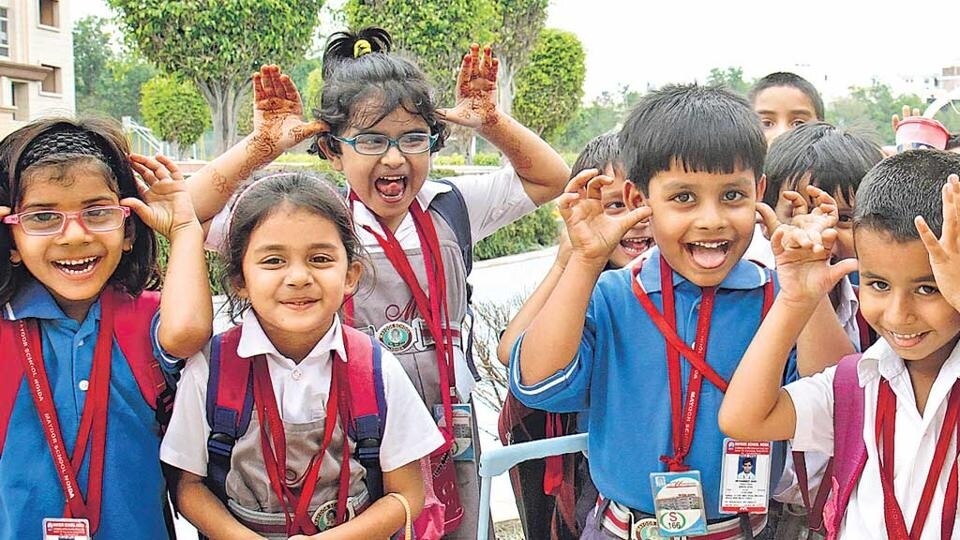
They are remembered through small rituals--slower mornings, mangoes after lunch, cycling in the evening, family holidays, discovering a new hobby and the freedom to explore beyond the classroom.
But this year, summer feels different.
Our children are stepping into a summer far more intense than usual. Recent reports suggest that 95 of the world’s 100 hottest cities are currently in India, and the India Meteorological Department has warned of more heatwave days through June, with temperatures already up to 5°C above normal in some regions. What makes this more concerning is that children’s bodies heat up faster than adults’, making them especially vulnerable to heat-related stress.
This does not mean summer must lose its joy. It simply means we must approach it differently by creating new rhythms that protect children’s health while preserving everything that makes summer memorable.
Instead of planning the day around the afternoon, families can build routines around cooler, safer hours.
Early mornings can become time for movement—cycling, nature walks, yoga, gardening, or free play. Evenings can bring back simple joys like terrace games, badminton, storytelling outdoors, or neighbourhood walks.
The hottest hours, typically between 11 am and 4 pm can shift to quieter indoor activities—reading, art, puzzles, music, baking, or simply resting.
Children do not need less activity in summer. They need smarter routines.
One of the biggest challenges during summer is that children often wait until they feel thirsty—by then, they may already be dehydrated.
Hydration works best when it becomes part of the day’s rhythm, not an occasional instruction. Encourage children to sip water in small, frequent amounts rather than drinking large quantities at once. At Satya School, teachers encourage students to drink water after every class, reminding children to take regular sips instead of a full glass.
At home, a simple hourly reminder can help children drink around 150 ml of water each time. Alongside water, include coconut water, buttermilk, lemon water, and seasonal fruits like watermelon, cucumber, and muskmelon to keep the body cool and replenished.
Just as we rethink routines, what children wear also plays an important role in helping them stay comfortable and protected.
Simple choices can make a big difference—loose cotton clothing, caps, comfortable footwear, and sunscreen help children move safely through warmer days. When outdoors, shaded spaces are always better than direct sun exposure.
The goal is not to keep children indoors all day, but to help them engage with summer more safely.
Children often don’t recognise the early signs of heat stress, which makes awareness especially important.
A simple way to teach this is the ‘Three Ds’—Dizzy, Dry, Dark. If a child feels dizzy, has a dry mouth, or notices dark yellow urine, they should immediately move to a cooler place and inform an adult. It’s also important to know that goosebumps in extreme heat can be a warning sign that the body is struggling to cool down.
Regular check-ins help. A simple buddy system—whether with a parent, sibling, or friend—can ensure children stay aware and supported through the day.
Summer has a way of throwing routines off track--late nights, more screen time, and meals that don’t always follow a clock and that’s natural during the holidays.
But a little rhythm still goes a long way. When days have a sense of balance—between play and rest, screens and real-world fun, treats and nourishing meals, children feel more settled, energetic, and at ease.
The best summer memories aren’t made on screens. They’re found in everyday moments—shared meals, long conversations, creative projects, favourite books, simple games, and time spent together.
So this early heatwave is a reminder that summers are changing, and the way we approach them must evolve too. Many of these practices draw from traditional wisdom, shaped over generations of Indian summers, and from the simple ways families continue to adapt.
The extended summer break need not become a time of worry. It can be an opportunity to help children build awareness, resilience, and a better understanding of their own bodies.
As parents and educators, our role is not just to keep children safe in the moment, but to equip them with habits that will help them navigate seasons like these with confidence.
Because at its heart, summer should still remain what it has always been—a time to slow down, explore, and return a little stronger.
(The views expressed are personal)
This article is authored by Manisha Malhotra, director principal, Satya School.


