
 E-Paper



Solar sustainability as a path to an energy independent future
This article is authored by Gautam Mohanka, CEO, Gautam Solar.

 Prefer HTon Google


The demand for energy is rising rapidly in the world’s fastest-growing major economy, India, as industrialisation is at its new peak and urbanization is taking place even in the remotest regions of the country. Once largely dependent on fossil fuels and imported energy, India is now quickly becoming energy-independent and that too with the remarkable contribution of solar energy. This largest available renewable resource is no more an alternative but a national imperative to accomplish India’s energy independence and near-zero emissions target by 2047. Apart from playing a pivotal role in energy transformation, solar is going to be a vital force in the overall economic security of the country.
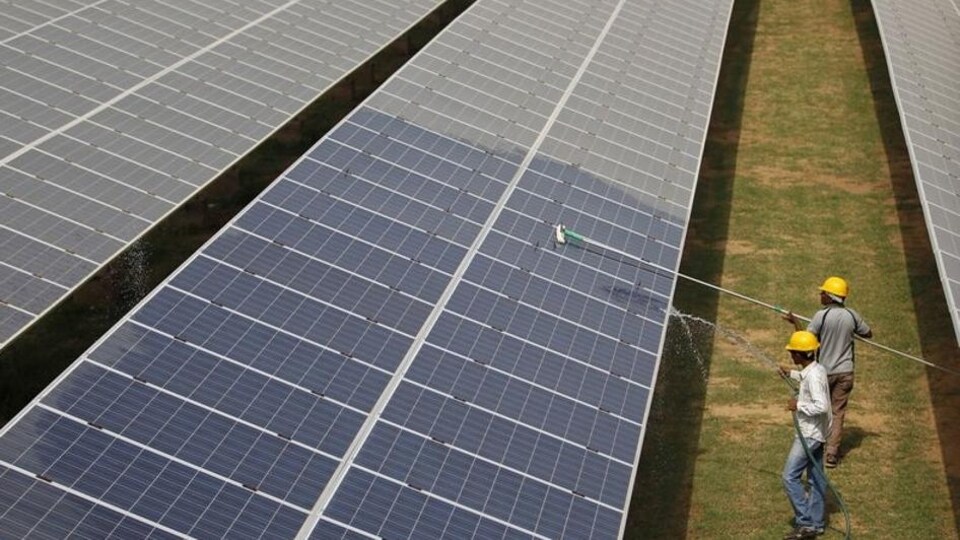
Historically, India’s solar sector was heavily reliant on Chinese imports, particularly for solar cells and wafers. Despite being one of the largest solar markets globally, India lacked domestic manufacturing depth. But recent developments have signaled a paradigm shift. Under the Production Linked Incentive (PLI) scheme, over ₹18,500 crore has been allocated to incentivise integrated manufacturing—polysilicon to module. Now, more than a dozen domestic players are building giga-factories aimed at end-to-end solar production.
India’s clean energy economy is keen for strategic autonomy. With fossil fuel imports draining the nation of over $150 billion yearly, conversion of solar energy for domestic consumption saves its foreign exchange and shields the economy from global shocks in fuel prices.
Parallel to this, the demand for solar modules outside China has grown internationally in recent times. Indian manufacturers have commenced exporting solar modules to countries such as the US, with exports crossing $700 million in H1 FY25 alone. Such a trend makes India a global solar manufacturing hub, not just a consumer.
Being among the nations that bear climate inequity, the solar push for India must thus also be looked upon as a climate adaptation strategy. Considering aggravating heat waves, delayed monsoons, and increased energy load, this transition cannot wait. The integration of solar with e-mobility, smart grids, and distributed storage can radically revamp urban and rural energy landscapes.
Surya Ghar Muft Bijli Yojana, which plans for setting up rooftop solar installations in one crore houses, providing each with 300 units of free electricity per month is a remarkable step in this direction. It is also imperative towards democratising access to energy, simultaneously easing the load on the grid.
Policy frameworks have catalysed this solar boom. From ALMM mandates to green hydrogen roadmaps, the government is trying to align industrial and environmental objectives. Financial tools like VGF for solar parks of large capacity and the setting up of the Green Energy Corridor further enhance power transmission and distribution of renewable energy.
However, success will need faster regulatory clearances, grid modernisation, domestic research and development in high-efficiency technologies (perovskite or bifacial cells), and skilling for a solar-ready workforce.
One significant linchpin of this sustainable journey is the interface between solar energy and e-mobility. Solar-powered charging infrastructure yields lower life-cycle emissions for EVs and also reduces stress on the grid during peak hours.
Pilot projects being demonstrated in Pune and Bengaluru thus reiterate the viability of this concept. The long-term plan is to create solar-integrated mobility corridors, particularly in heavy traffic spots, airports, and railway stations.
India’s solar journey has evolved beyond just addressing technological advancement or climate goals. It now embodies the nation's pursuit of energy sovereignty. Achieving true self-reliance (atmanirbharta) in this domain demands a comprehensive approach, comprising the entire domestic solar value chain, upgrading grid infrastructure to integrate renewable sources, promoting equitable rooftop adoption, fostering innovation in solar cell technology, and expanding exports of smart solar solutions. With an abundance of sunlight and a clear national vision, India stands poised to lead globally if it remains steadfast, strategic, and sustainable in its execution.
This article is authored by Gautam Mohanka, CEO, Gautam Solar.


