
 E-Paper



Misal Pav gains top marks in world's best breakfast; chef what makes this Maharashtrian dish so beloved
Not just as breakfast, this street food can be eaten as a quick snack and even as a fulfilling lunch or dinner, which makes it a popular one-pot meal

 Prefer HTon Google


ing Misal pav needs not introduction, and this Maharashtrian breakfast staple has found fans across the world as TasteAtlas ranked it #18 on their list of ‘Top 50 Best Breakfasts’. This dish has four main components - the usal, which is the vegetable base made with sprouted matki, moong or chana; the tarri or a spicy oil-based gravy, along with the soft, buttery pav that is enjoyed with several dishes in Maharashtra, and the farsan. Missal is usually accompanied by finely chopped onions, a lemon wedge and a garnish of coriander.
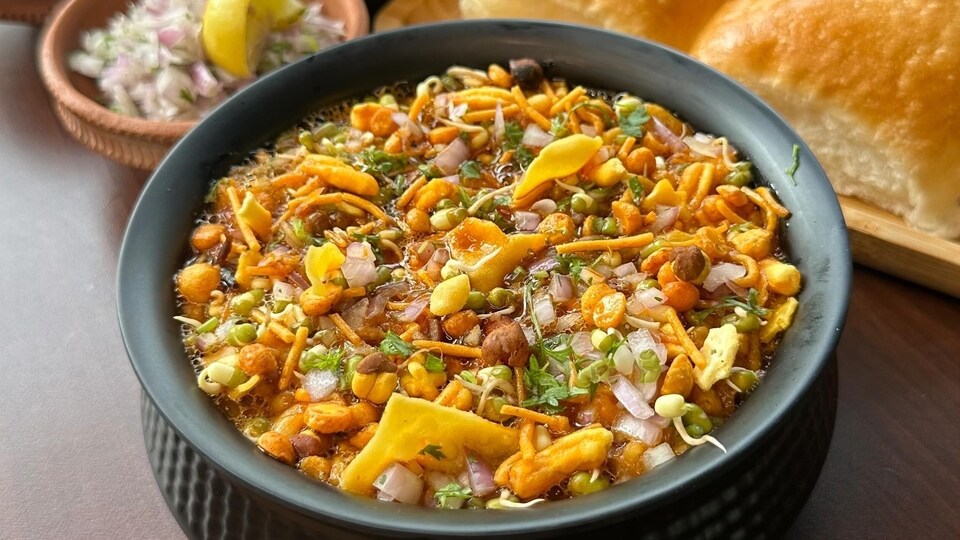
Chef Reetu Uday Kugaji says, “This Maharashtrian delicacy is not just a street food, but an emotion. It can be eaten as a quick snack or as a fulfilling lunch or dinner. Misal is enjoyed piping hot with the rassa, the liquidy curry that is literally served in buckets. It is also important to note that misal pav is always served with farsan, if not, the dish is called usal pav.”
This humble dish finds its roots in rural Maharashtra, especially among the Maratha and Kunbi communities. It is a simple but protein-rich meal made from sprouted moth beans (matki) and other easily available ingredients like onions, chilies, and basic spices. “Misal pav is a burst of flavours and texture,” shares Chef Reetu.
“Misal embodies the spirit of community and celebration, as it is often served during festive mornings or family gatherings,” says Chef Pradeep Rao, Executive Chef, Conrad Pune, adding that it has a “complex layers of spice and crunch that mirrors the diverse lifestyle of the region and deeply resonates with locals and visitors alike.”
Taking inspiration from the “bold flavors of Kolhapuri Misal and Mexican tacos”, Chef Krish from The Fuchsia Loft, Mumbai, created the Misal Birria Tacos. “There are so many similarities between Indian and global cuisines, and the hero is the humble Kolhapuri missal which is a nostalgic childhood favourite.” He also mentions that the birria broth that accompanies the taco is similar to the tari gravy used in the missal. “The taco creates the perfect vessel for dunking and giving the perfect and satisfying mouthfeel,” he adds.
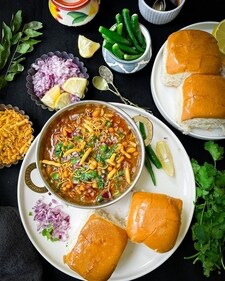
- Purandari Misal: This is made with a mix of different types of sprouts, shares by Executive Chef Santosh Sakpal of Fort JadhavGadh, Pune. It is complemented with sev, fresh lemon juice, pieces of tangy raw mango and finely chopped onions for that perfect burst of texture.
- Kalya Vatanyachi Misal: A regional variation of misal, Sagarmoy Biswas, Sous Chef, Sayaji Hotel, Pune, sats, “It is made with kala vatana (black peas) instead of the matki or pluses used other misal dishes. This is very rustic and has lots of bold Maharashtrian spices.”
- Puneri Misal: A less spicy misal that enjoyed in Pune, with a slightly sweet and tangy flavour, shares Chef Pradeep. This type of misal has potatoes and can be relished along with poha.
- Kolhapuri Misal: One of the most popular types, Kholhapuri misal has a bright red gravy or tarri, with a spicy fiery taste due to the use of Kolhapuri masala. It is sometimes served with curd to help cool down the heat.
- Nashik Misal: This is considered to be the more standard type of misal as it isn’t very spicy and less oily. The flavours and spice are balance and usually includes a different farsan variety.
Two other Indian dishes that were also ranked in this list are North Indian favourites, paratha and chole bhature. These quintessential breakfast options found a spot on 23 and 32, respectively.
While parathas are popular in Punjab, they are loved across the country. These thick stuffed rotis are usually paired with curd, pickle and a dollop of white butter. From mashed potato to grated paneer, and even leftover sabzis or dals, parathas are easy to whip up and forgiving about techniques.
On the other hand, chole bhature has reigned over kitchens and the hearts of Indians for a long time. Fluffy, deep fried bhature paired with chickpeas that are packed with bold and tangy flavour, this dish is all about foodie indulgence.


