
 E-Paper



How to choose the right sunscreen this summer
A quick breakdown of SPF, formulas and skin types to help you make a smarter sunscreen choice.

 Prefer HTon Google


Stepping out in the summer sun can take a toll on your skin, making sunscreen a non-negotiable part of your daily routine. But with so many options available, choosing the right one can feel overwhelming. A few simple checks can help you pick a formula that actually works for your skin and lifestyle.
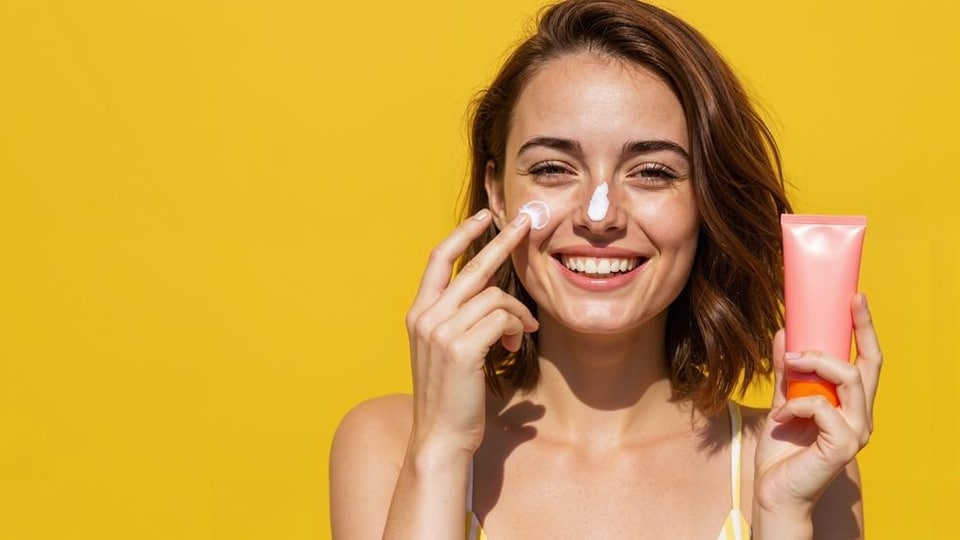
Dr. Priyanka Kuri, Consultant - Dermatology, Aster Whitefield Hospital, Bengaluru, explains, “The main goal of sunscreen is to shield the skin from ultraviolet UV radiation, which is what tends to drive tanning, uneven pigmentation, early aging, and also raises the risk of skin cancer.” Understanding a few key factors can help you cut through the clutter and pick a formula that actually suits your skin and lifestyle.
What to look for before you buy a sunscreen this summer
Dr Kuri shares some handy tips.
- Choose hydrating and cream-based formulas with ingredients like ceramides and hyaluronic acid for dry skin, while oily skin benefits from lightweight, oil-free textures that won’t clog pores. Sensitive skin types should look for gentler mineral filters like zinc oxide or titanium dioxide.
- Always opt for sunscreens labelled ‘broad spectrum,’ as they protect against both UVA rays (which cause ageing and pigmentation) and UVB rays (which cause sunburn).
- SPF 30 is suitable for everyday use, blocking about 97% of UVB rays. If you’re spending extended time outdoors, SPF 50 offers higher protection.
- Mineral sunscreens sit on the skin and reflect UV rays, while chemical formulas absorb them - choose based on your skin’s tolerance.
- If you’re outdoors or active, go for water-resistant formulas that hold up against sweat and humidity.
- Gel, serum, or fluid textures absorb quickly and sit well under makeup, making them ideal for daily wear.
Dr Kuri concludes, “Sunscreen should be treated as just one small piece of sun protection, not the only move.”
Along with sunscreen, experts recommend sunglasses, hats, breathable clothing, and limiting exposure during peak afternoon hours.


