
 E-Paper



From pasture to plate: Why parmigiano reggiano will forever be the cheese world's golden girl
Aged to perfection, the golden wheel endures decades of organic and concocted competition to still be a top pick when it comes to grating culinary expectations

 Prefer HTon Google


The fettuccini alfredo is probably the slickest example of the enduring wave of glocalisation. From roadside stalls to the tallest restaurants, in many ways, the simple Italian delight gaining or losing its exclusivity, defined clearly by a several point price difference, rests largely on the quality of it's pièce de résistance — the cheese. Folded in or emulsified, melted or grated, served in a chunk or made the base of a final toss, food connoisseurs the globe over will tell you why the seemingly obnoxious price tags on one of the most sought-after wheels of fromage, is worth every penny.
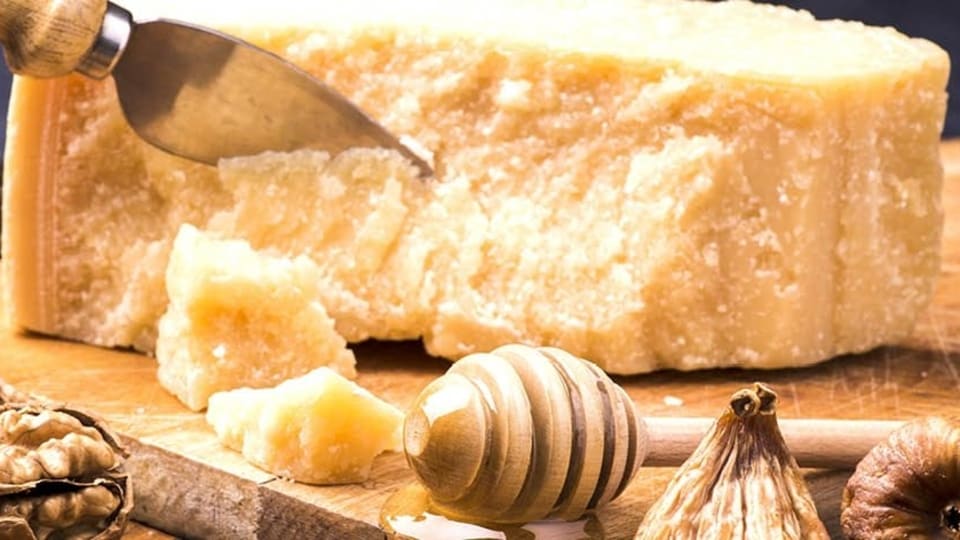
Aged to perfection
The history of the cheese world's golden girl dates back to the Middle Ages. Salt from the Salsomaggiore salt mines and milk from the granges-bred cows was used by the Benedictine and Cistercian monks to create dry cheese paste in large wheels, with a composition made to age like fine wine. Initially a local production, a notarial deed dated 1254, presents itself as the first sign of the golden wheels being initiated into the trade cycle with a sale in Genoa, a far ways away from the cheese's birth place — Romagna, Piedmont, Tuscany and the Mediterranean Sea were next in falling to the delectable cheese's charms.
By the 15th century, production of the much-in-demand wheel had received an enviable boost, with feudal lords and abbeys becoming patrons to its taste and the economic expanse it brought. Wheel sizes went up to 18 kilograms, an accurate estimate of its growing popularity.
Nothing perhaps captures the ecstasy of the parmigiano reggiano's first throes, than Italian writer and poet Giovanni Boccaccio's description of Bengodi, 'the happy valley' in the Decameron, dating back to 1351 — "They have there a whole mountain of grated parmesan, and the people who live on it do nothing all day but make gnocchi and ravioli and cook it in capon broth, then whoosh it down the slope, and the people who collect the most collect the most." Bengodi, for context, is the fictional land of plenty and abundance, a reflection of the sense of indulgence the cheese still holds today.
The 'king of cheese'
And with good reason. The hard and granular block of indulgence with its robustly nutty and sharply tart flavour profile in many ways, justifies its cost — if anything, look to it's history of being used as collateral for loans to dairy farmers since the mid-20th century.
In a more present day context, an authentic wheel of parmigiano reggiano sourced from its place of origin, will cost you upward of ₹2 lakhs. Now if you find the price simply absurd, just know the line of takers is long.
On the more affordable front, altered versions of the OG deal retail at about ₹400 per 100gms, with the powdered variants pinching the pocket just a little less.
Thus explained, parmigiano reggiano — forever the cheese world's golden girl!


