
 E-Paper



‘Cortisol Face’ is all over your feed, but what does it mean?
Everyone is talking about 'cortisol face' on social media. We talked to experts who broke down the truth behind the viral term.

 Prefer HTon Google


A puffy face after a long week, under-eyes that don’t quite bounce back, skin that looks dull for no clear reason - welcome to what the internet now calls “cortisol face.” The term has now gone viral, with experts now saying that the term oversimplifies a complex hormonal system.
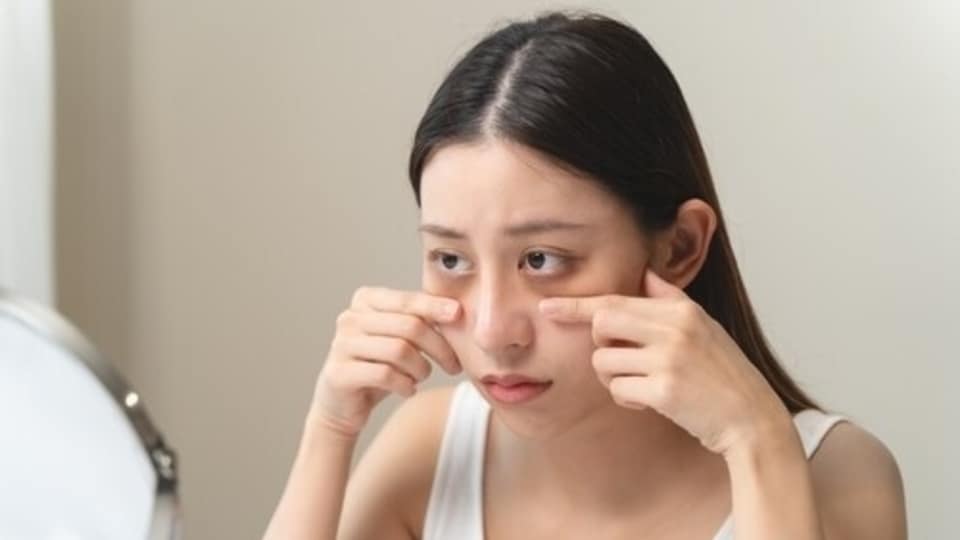
How stress shows up on your face
Stress does leave its mark on the face, and it doesn’t look the same for everyone. Dermatologists say the face is often the first place chronic stress shows. “The ‘cortisol face’ trend is the internet’s crude shorthand for a real phenomenon: chronic stress accelerates aging,” said Dr Satish Bhatia, Dermatologist and Cosmetologist, Indian Cancer Society, Mumbai.
And this is often a combination of subtle, visible changes - puffiness around the cheeks and under-eyes, sudden acne flare-ups, dullness, and early fine lines appearing together. “Cortisol affects how salt and water move in tissues, which can lead to fluid retention. This shows up on the face as puffiness - often around the cheekbones or under the eyes," he explained. Beyond puffiness, stress can also accelerate collagen breakdown, weaken skin structure, and trigger low-grade inflammation that contributes to fine lines, uneven texture, and that unmistakable ‘fatigued’ look.
Bhatia added, "Chronic stress induces low-grade systemic inflammation. This 'inflamm-aging' environment increases oxidative stress and DNA damage, contributing to hyperpigmentation and dullness. Triggered by inflammation and hormonal changes, acne flares up. Cortisol also disrupts the skin barrier and microbiome, making the skin more vulnerable to environmental stressors such as UV and pollution. A weakened skin barrier is also susceptible to dull and uneven skin."
The stress–skin connection
What makes this trend resonate is how closely it ties appearance to emotional well-being.
“When stress becomes constant, the body stays in a heightened state. Sleep suffers, energy dips, and over time, it can lead to anxiety, burnout, and a persistent sense of exhaustion. And when those changes begin to reflect on your face, it can quickly turn into a cycle - feeling stressed, looking tired, and then feeling worse about it,” says Dr Vinay Saini, Psychiatrist, Maarga Mind Care, Gurugram.
So is it really a hormone problem?
"'Cortisol face’ is not a formal medical diagnosis; it is mainly a social media term. Visible facial changes linked to cortisol are associated with conditions such as Cushing’s syndrome, in which patients may develop a rounded or ‘moon’ face along with symptoms such as muscle weakness, high blood pressure, or diabetes. A puffy face alone is nonspecific and may simply reflect sleep loss, salt intake, weight gain, allergies, or fluid retention," said Dr David Chandy, Director of Endocrinology at HN Reliance Foundation Hospital, Mumbai.
Regulating Cortisol
Experts state there is no overnight solution and no miracle product. What does help is going back to basics. “Healthy habits such as good sleep, regular exercise, a balanced diet, and stress management can help regulate cortisol naturally. Equally important is knowing what not to fall for. Viral cortisol-lowering hacks and supplements often lack scientific backing and, in some cases, may do more harm than good,” says Dr Satish Koul, Principal Director & Unit Head - Internal Medicine, Fortis Gurgaon.


