
 E-Paper



Saba Azad hospitalised after losing 4 kg in 2 weeks due to this stomach infection; here’s everything to know
After Saba Azad revealed she was hospitalised due to a parasitic infection, her experience has sparked fresh attention on food-borne risks

 Prefer HTon Google


Actor Saba Azad recently opened up about a severe bout of illness, revealing she was diagnosed with a parasitic infection caused by Cyclospora cayetanensis. The infection left her hospitalised and resulted in a drastic 4 kg weight loss in just two weeks.
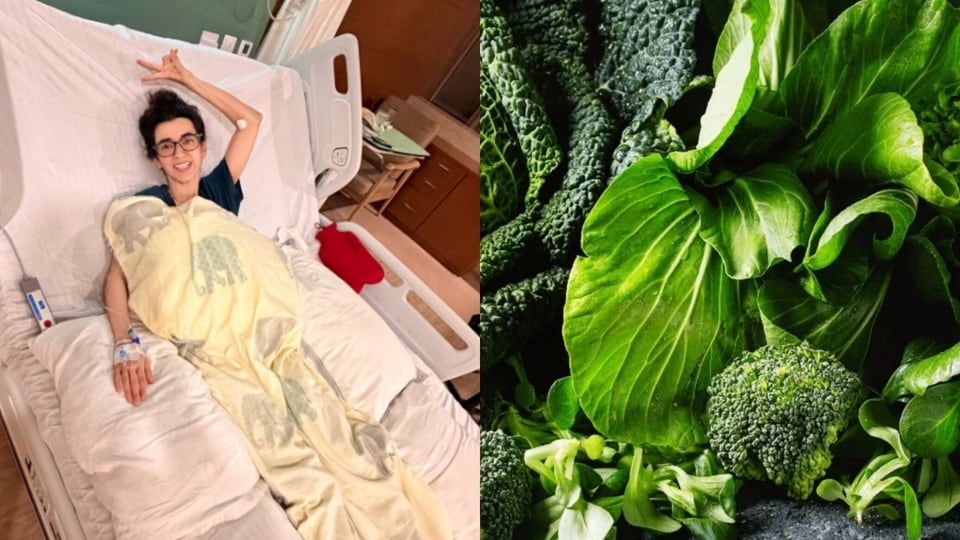
“Worst 14 days of my life. Cyclospora cayetanensis, you nasty piece of work!! For someone who only eats home food and carries her water bottle everywhere, this bug came out of nowhere—at the busiest time of the year for me. I’ve lost 4 kgs that I didn’t have to spare in two weeks and can barely walk. One day I’m training twice a day, doing pull-ups and lifting heavy, and the next I’m half my size, without the strength to lift a toothpick, let alone weights," she wrote.
She also used the moment to flag a simple but crucial precaution: “So pls for the love of your gut wash your salad leaves and veg like your life depends on it – cause sometimes it really does!! 🥬 Our new method is Baking soda + veggie wash.”
What is Cyclospora?
According to a 2025 study titled ‘Prevalence of Cyclospora cayetanensis in diarrheal patients in eastern region of India’, Cyclospora cayetanensis accounts for roughly 2.11% of diarrhoeal cases in India, with numbers rising sharply in dense urban pockets. Cases also tend to spike during the monsoon months and disproportionately affect those with weaker immunity.
Explaining how the infection works, Dr Amit Rastogi, Chairman - Liver Transplant & HPB Surgery at PSRI Hospital, said, “Cyclospora cayetanensis is a tiny parasite that can cause an intestinal infection called cyclosporiasis. It usually spreads through contaminated food or water, especially raw fruits and vegetables that are not washed properly. When a person eats or drinks something contaminated, the parasite enters the digestive system and infects the small intestine, leading to irritation and inflammation,” he said.
Detailing the symptoms, he said, “The most common symptom is watery diarrhea, which can be frequent and long-lasting. Other symptoms include stomach cramps, bloating, nausea, loss of appetite, fatigue, and sometimes mild fever. Some people may also experience weight loss if the infection continues for several days. Symptoms usually appear about 1 week after consuming contaminated food or water. However, in some cases, it can take anywhere between 2 days to 2 weeks for symptoms to show up, depending on the person’s immunity and the amount of parasite consumed," he continued.
Dr. Kiran D. Shinde (Patil) from FIMGE RUBY HALL CLINIC Wanowrie adds, “One interesting thing about cyclospora cayetanensis is that it does not spread directly from person to person. The parasite needs time in the environment—typically in soil or water—to become infectious. This is why the main routes of transmission are contaminated food and water, especially raw fruits and vegetables. The risk tends to be higher in hot and humid climates, where these conditions allow the parasite to survive and mature before entering the human body.”
What is the safest way to consume fresh produce?
Nutritionist Sukh Sabia from Maccure Hospital emphasised that everyday food habits play a critical role and shared a few practises you should integrate into your life.
- Wash your hands before handling any food
- Always wash fruits and vegetables thoroughly under clean, running water
- Use a clean brush for firm produce like cucumbers or melons
- Cut away damaged areas and keep kitchen surfaces clean
- Peeling can reduce risk by removing the outer contaminated layer
- Cooking is the most effective, as heat can kill the parasite
The right method to wash veggies
Saba Azad’s go-to fix—baking soda and veggie washes—comes down to one key fact: Cyclospora cayetanensis is unusually “sticky,” clinging to the crevices of leafy greens and the uneven surface of berries. Baking soda helps by loosening that grip, but soaking alone isn’t enough.
Here's how to use it:
- Soak in a baking soda solution (1 teaspoon per litre) for 12–15 minutes
- Rinse or scrub thoroughly under running water
- Skipping the rinse means the parasite may still linger.
Other popular choices include Nimwash Vegetable & Fruit Wash and Veggie Wash Organic Fruit and Vegetable Wash. Spray and scrub firm produce like apples or potatoes for 20–30 seconds, while leafy greens and berries are better soaked.
Bottom line: it’s not just about soaking—it’s about loosening, rinsing, and removing what you can’t see.


