
 E-Paper



HTLS 2019| ‘We must question everything, it has led me to make a lot of discoveries’: Chef Blumenthal
Blumenthal said if his first visit to a Michelin-rated restaurant inspired him to take up cooking, it was when he started questioning why some people use single cream in a recipe, while others use double.


Celebrity chef Heston Blumenthal hadn’t been to a Michelin-starred restaurant till he was 15 years old, but is now the owner of two Michelin rated restaurants – The Fat Duck (with three Michelin stars) and Dinner By Heston, London (which was awarded two Michelin stars in 2018). He taught himself French by using an French-to-English dictionary, to become fluent in French cooking. And while he claims to have not been particularly good at science in school, he now has a clutch of honorary doctorates in science because of his scientific understanding of cooking, and has been made a fellow of the Royal Society of Chemistry.
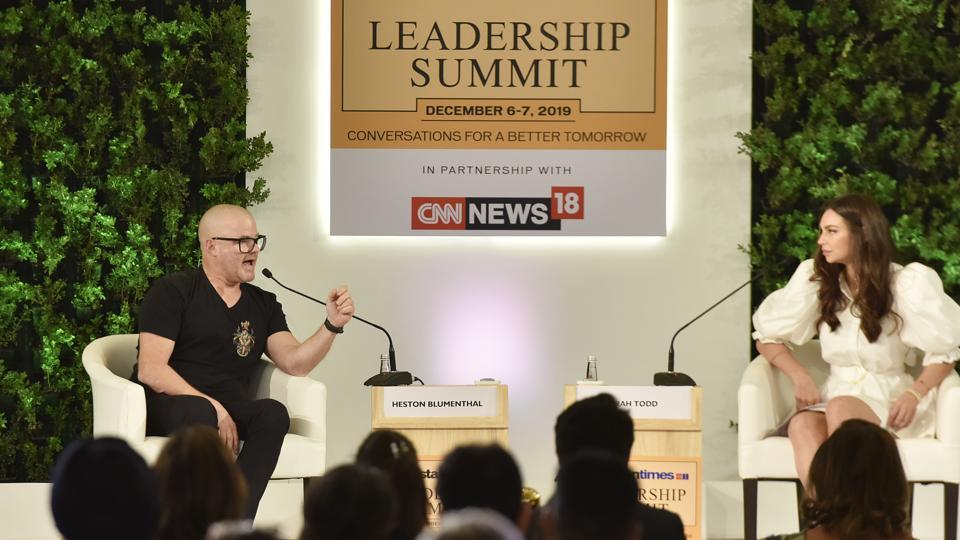
In conversation with fellow chef Sarah Todd at the 17th Hindustan Times Leadership Summit on Friday, Blumenthal said if his first visit to a Michelin-rated restaurant inspired him to take up cooking, it was when he started questioning why some people use single cream in a recipe, while others use double; why eggs make a soufflé rise… and other such things that he was led to discovering new cooking techniques. So much so that “question everything” remains his motto today.
The chef, known for using food to trigger memory and nostalgia in his guests, insisted that it’s important for people to have a relationship with what they eat, and to connect with food. “I don’t see any reason for anyone to be starving in the world… there is enough food out there,” said Blumenthal, adding that much of the food available is wasted because people do not value it.
To the audience, he suggested, that the next time they have a glass of wine, they should take a sip, close their eyes and think of someone who fills them with love and happiness. They should then take another sip and think of someone who fills them with negative thoughts. The two sips of wine would taste completely different, he said, because our emotions affect the flavour of what we eat or drink. “Food — cooking and eating — is the only subject which covers every other subject; language, geography, all the sciences… and we take it for granted,” said Blumenthal, while answering a question from the audience on molecular gastronomy (a term that he said is a misnomer).
“The most intimate relationship a human being has is with himself and his breath, then it’s with water, then with food,” added the chef. “His relationship with the people he loves, and who love him, comes after that.”


