The Centre on Thursday told the Supreme Court that it is reconsidering the University Grants Commission’s (UGC) 2026 regulations on promoting equity in higher educational institutions, which the court had kept in abeyance in January after finding them “vague” and capable of “misuse”.
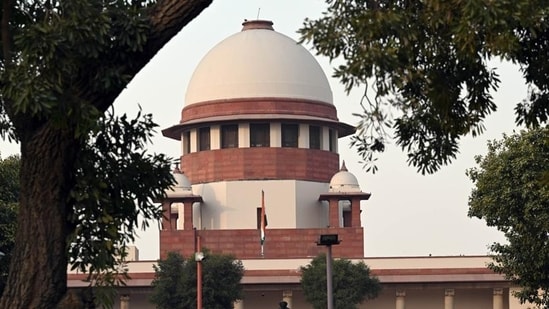
The submission was made before a bench headed by Chief Justice of India (CJI) Surya Kant, which was hearing a batch of petitions challenging and supporting the regulations. The court directed the Centre and UGC to file a composite affidavit addressing the concerns raised in the petitions.
Solicitor general Tushar Mehta, appearing for the Centre, told the bench that the government was taking a relook at the regulations. “The 2026 Regulations are being reconsidered. Till this exercise is complete, the court may defer hearing on these petitions.”
ALSO READ | Three-language policy: SC asks CBSE to consider one-time reprieve for Class 6
The bench granted four weeks for the affidavit to be filed and two weeks thereafter for the petitioners to respond. It posted the matter for hearing after six weeks and said, “Since the regulations are under consideration before this court, it will be appropriate that a decision is taken by the Centre before the next date of hearing.”
SC had stayed regulations in January
{{/usCountry}}The bench granted four weeks for the affidavit to be filed and two weeks thereafter for the petitioners to respond. It posted the matter for hearing after six weeks and said, “Since the regulations are under consideration before this court, it will be appropriate that a decision is taken by the Centre before the next date of hearing.”
SC had stayed regulations in January
{{/usCountry}}On January 29, the top court had stayed the University Grants Commission (Promotion of Equity in Higher Education Institutions) Regulations, 2026, soon after they were notified on January 13. The court had described the framework as “prima facie vague” and capable of “misuse”, and had flagged concerns over its potentially sweeping consequences.
ALSO READ | SC’s nine-judge bench verdict today on what constitutes an ‘industry’
The regulations had also triggered protests and discontent among some student groups, including general category students who claimed that the rules were unfair to them.
Petitions raise concerns over caste discrimination definition
Some petitions challenging the regulations objected to the definition of “caste-based discrimination”, which they said excluded discrimination faced by general category students. They also questioned the absence of a mechanism to penalise false complaints made by members of Scheduled Castes, Scheduled Tribes and Other Backward Classes.
The Supreme Court had earlier questioned the need for a separate definition of “caste-based discrimination” under Regulation 3(1)(c) when another provision already provides a broad definition of “discrimination”. It had also questioned why ragging was excluded from the scope of the regulations despite being a common form of harassment in educational institutions.
ALSO READ | Supreme Court asks NTA where things stand on 2024 exam reforms plan
Rules framed after petitions over campus discrimination
The regulations were framed following a petition filed in 2019 by the parents of two students who died by suicide after facing alleged caste-based discrimination. Rohith Vemula, a PhD scholar at Hyderabad Central University, died on January 17, 2016, while Payal Tadvi, a student at TN Topiwala National Medical College, died on May 22, 2019 after she was allegedly subjected to caste-based discrimination by three doctors at her college.
The petitioners had urged the court to address caste-based discrimination on campuses, claiming that although the UGC had issued Equity Regulations in 2012, they had not been implemented effectively.
Senior advocate Indira Jaising, appearing for the parents, said she supported the 2026 regulations even as her locus was challenged by other petitioners opposing them.
“There are so many issues and cross issues,” the bench said while directing the Centre and UGC to address the concerns raised in the petitions through a composite affidavit.
The UGC had earlier told the court that the regulations were aimed at fostering equity, inclusion and non-discrimination in higher educational institutions across India, in line with the National Education Policy (NEP) 2020.