
 E-Paper



28 million tonne food grains for poor under PDS either stolen or wasted: Study
Food grains leakages under PDS have come down substantially since 2012-2013 due to better oversight by authorities

 Prefer HTon Google


India’s public distribution system (PDS), despite being linked to the biometric Aadhaar-based platform, suffers from leakages, resulting in at least 28 million tonne of free food grains for the poor being either stolen or wasted, an analysis by leading economists shows.
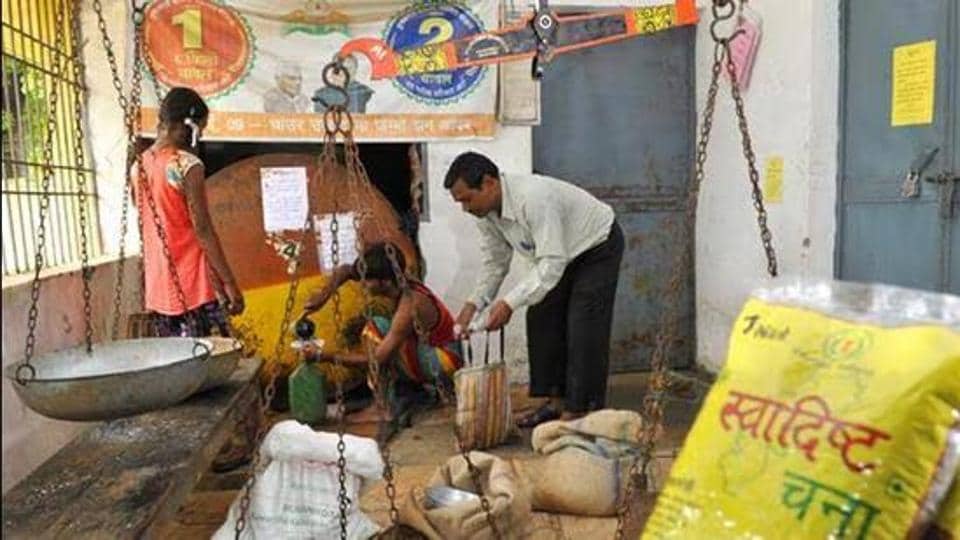
Nearly 28% of cereals distributed to the 813 million beneficiaries of the National Food Security Act 2013 do not reach households they are meant to, according to a paper by Ashok Gulati, a top economist with the Indian Council for Research on International Economic Relations, or ICRIER, New Delhi.
The findings were based on national consumption data, underscoring the need to plug gaps in a supply chain spread across the country.
To be sure, leakages have come down substantially due to better oversight by authorities since 2012-2013. According to data from the National Sample Survey 2011, PDS leakages were estimated at 41.7% at the all-India level.
Leakages are mainly of three types: pilferage or the act of stealing, damage during transportation and diversion to non-beneficiaries.
There is no annual data to estimate leakages. However, the national sample surveys (office) publish household consumption expenditure survey data, Gulati said. The latest HCES data are available for 2022-23.
The authors analysed monthly offtake (or utilisation of foodgrains) data from the Food Corporation of India from August 2022 to July 2023 and aligned it with the reference period of the HCES, 2022-23. They then compared the reported offtake with actual household consumption levels, a methodology that yields data-driven estimates of leakages.
“The findings reveal a significant discrepancy: 28 percent of the allocated grains fail to reach their intended recipients,” the study notes. That’s enough grains to feed the total below poverty line population of Kerala for a month.
According to Ritika Khera of the Indian Institute of Technology Delhi several reforming states have seen a dramatic reduction in leakages, such as Bihar (from 91% to 24%), Chhattisgarh (from 52% to 9%) and Odisha (from 76% to 25%). “The PDS is now a functional instrument of social policy, guaranteeing a modicum of food security to vulnerable and food insecure people,” she said.


