
 E-Paper



60 and above: What you need to get third Covid-19 vaccine jab
People aged 60 and above will have to get a certificate from a registered medical practitioner that can be scanned and uploaded on the CoWIN portal or produced at a vaccination centre.


People aged 60 years and above will be given a third dose of the Covid-19 vaccine from January 10 next year if they suffer from certain co-morbid conditions, Prime Minister Narendra Modi announced on Saturday. PM Modi called the third shot a precaution dose.
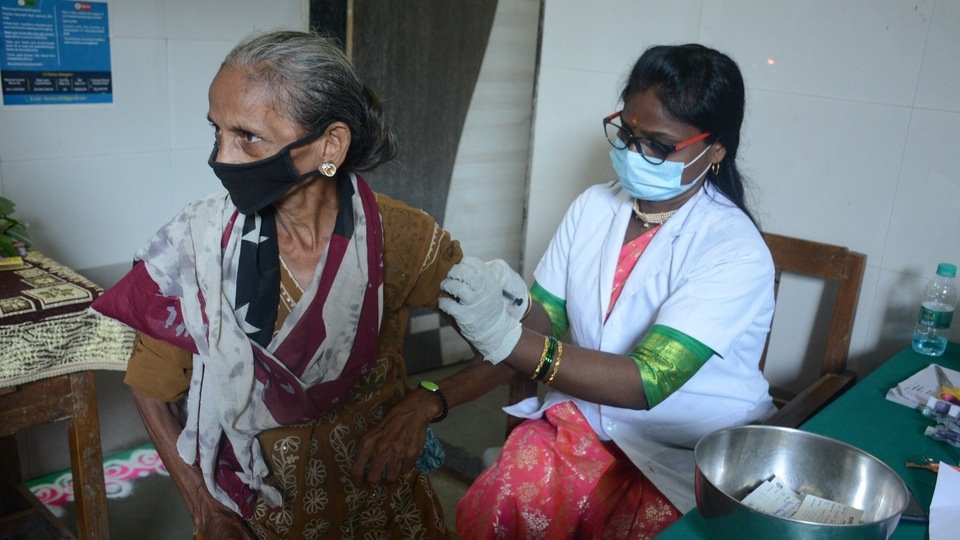
RS Sharma, chief executive officer of the National Health Authority, which also operates the government’s CoWIN platform, said the process will be the same that was followed when the Covid-19 vaccination was opened for people of 45-plus category, who suffered from specified co-morbidities.
Official data show there are at least 137.5 million people above the age of 60 years, who could be eligible for the precaution dose.
Also read | What is ‘precaution dose’ for Covid? Which vaccine will be administered?
Senior citizens will have to show a medical certificate that shows they have specified co-morbidities to be eligible for a precaution dose.
They will have to get a certificate from a registered medical practitioner that can be scanned and uploaded on the CoWIN portal or produced at a vaccination centre.
Government experts said the gap between the primary and additional doses could be between nine and 12 months and that the details are still being worked out.
Also read | 9-12 months' gap likely between 2nd dose and 'booster' precaution dose: Reports
Sharma said the CoWIN platform will be tweaked for the revised policy and the process will not take much time as the same module will be followed as earlier.
The inoculation drive for senior citizens started on March 1 this year, the same day as persons between 45 and 59 years of age suffering from certain medical conditions. Some 20 co-morbidities were listed at the time.
Also read | PM Modi announces vaccines for teens, 'precaution dose’. Expert lists next plan
People with specified medical conditions included those who were immuno-compromised, on cancer treatment, undergoing or having undergone organ or tissue transplant surgery, afflicted with chronic kidney, liver, lung or cardiovascular disease, or those on immunosuppressant drugs, among others.
The World Health Organization (WHO) has said additional doses of a vaccine may be needed as part of an extended primary series for target populations where the immune response rate following the standard primary series is deemed insufficient.


