
 E-Paper


90% of India's LPG imports travels through Hormuz Strait, but things in control: Govt
It is a challenging situation, the ministry of petroleum and natural gas said, urging the public resort to panic-buying over fears of LPG shortage.

 Prefer HTon Google


India imports about 60 per cent of liquid petroleum gas (LPG) requirement, 90 per cent of which comes through the Strait of Hormuz, the government said on Wednesday while listing measures taken to deal with the supply disruptions amid West Asia conflict.
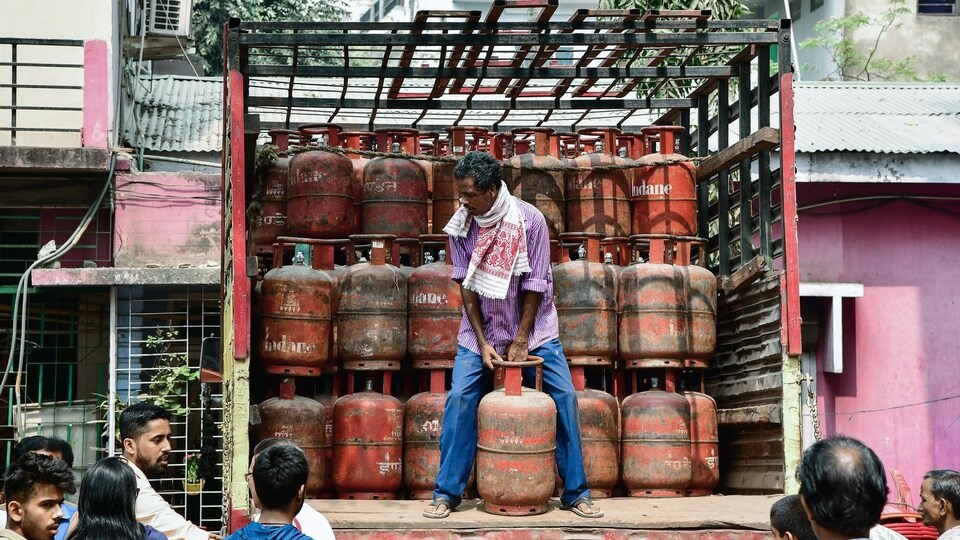
An order was issued on March 8 for refineries to maximise LPG production, said Sujata Sharma, joint secretary, ministry of petroleum and natural gas, at a press briefing on the situation on Wednesday, urging the public to not panic.
For non-domestic LPG, priority is being given to essential sectors such as hospitals and educational institutions, Sharma said, adding that the government has absorbed a significant part of the cost when it comes to LPG prices.
‘Do not panic but save fuel’
Current price of LPG cylinder in Delhi is ₹913, and this is after the increase of ₹60, she said, noting that without government intervention the rates would have been much higher
"A committee of 3 members comprising Executive Directors of IOC, HPCL and BPCL has been formed by the govt to listen to their grievances. Their genuine requirement of commercial LPG will be met. This committee will also reprioritise the supply as per the requirements,” the official said, urging people to not resort to panic-booking of LPG cylinders.
“It is a challenging situation… we urge the public to not hoard energy and conserve fuel wherever possible,” she said.
The US-Israeli strikes on Iran on February 28 sparked an exchange of drones and missiles that has still not ended. Iran and its allies, in retaliation, have blocked the Strait of Hormuz, threatening to hit any ship that passes through it.
Tehran has been retaliating by attacking targets across the oil-rich Gulf, such as Saudi Arabia, Qatar, Kuwait, and the UAE, and effectively shutting down the Strait of Hormuz.
There so far has been no sign that ships can resume sailing through the Strait of Hormuz, where a fifth of the world's oil has been blockaded behind a narrow channel along the Iranian coast in the worst disruption to energy supplies since the oil jolts of the 1970s.


