
 E-Paper



After tigress, cubs and monkeys, 20 peacocks die in Karnataka: Report
The death of 20 peacocks on Monday adds to a string of unusual wildlife deaths in Karnataka, including 20 monkeys in July and a tigress with 4 cubs in June.

 Prefer HTon Google


Twenty peacocks – India's national bird – were found dead on farmland near a stream in Karnataka's Hanumanthapura village on Monday. Farmers discovered the carcasses, which included three males and 17 females.
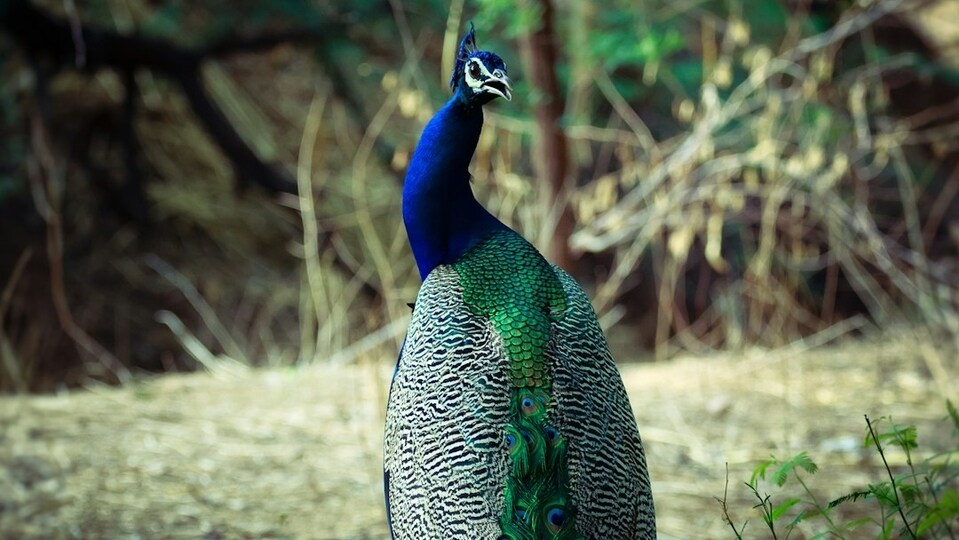
The cause of death is yet to be determined.
This incident follows a series of unusual wildlife deaths reported in the state, including the recent deaths of 20 monkeys, a tigress, and her four cubs.
According to an NDTV report, forest officials visited the site and carried out an inspection after being alerted. The carcasses have been sent to the Forensic Science Laboratory for examination, and the exact cause of death is expected to be revealed in the test report.
Carcasses of 20 monkeys recovered
On July 2, 20 monkey carcasses were found along the Kandegala-Kodesoge Road near Gundlupet in Karnataka’s Chamarajanagar district. Forest and police officials suspect poisoning, according to an Indian Express report.
Locals spotted suspicious bags around 6.30 am and alerted the forest department. A rapid response team, including Gundlupet division officials, veterinarians, and sniffer dogs, arrived at the spot. Initial findings suggest the monkeys may have been killed elsewhere and dumped in the area to avoid detection.
Two monkeys were found alive and taken to a veterinary hospital in Gundlupet for treatment. Authorities have ordered post-mortems and are reviewing local CCTV footage to determine the cause and origin of the deaths.
Probe into 'unnatural death' of tigress, four cubs
In June, Karnataka forest minister Eshwar Khandre ordered an investigation into the "unnatural death" of a tigress and four cubs in the Male Mahadeshwara Hills, under the Hoogyam forest range. The probe revealed that the animals likely died after consuming a poisoned cow.
Their carcasses were found in the Meenyam forest area. Preliminary reports indicate poisoning, though a detailed investigation is ongoing. Authorities have sealed off the area, declared it a protected zone, and invoked Standard Scene of Crime (SoC) protocols within a 500-meter radius to collect evidence.
Sources say the tigress had earlier killed a cow and dragged it into the forest. After she and her cubs partially ate the meat, it is suspected that locals poisoned the cow carcass, leading to the deaths of the animals.


