
 E-Paper



Air India completes check of all Boeing planes, says no issues found
“No issues were found with the said locking mechanism during the inspections,” an Air India spokesperson said.

 Prefer HTon Google


Air India has successfully completed precautionary inspections on the locking mechanism of the Fuel Control Switch (FCS) across its Boeing 787 and Boeing 737 aircraft, following a tragic crash last month and in accordance with safety directives issued by India’s aviation regulator.
“No issues were found with the said locking mechanism during the inspections,” an Air India spokesperson said. “Air India had initiated voluntary inspections on July 12, ahead of the DGCA directive, and completed them within the prescribed timeline. The same has been communicated to the regulator.”
The airline emphasized its continued dedication to aviation safety. “Air India remains committed to the safety of passengers and crew members,” the spokesperson added.
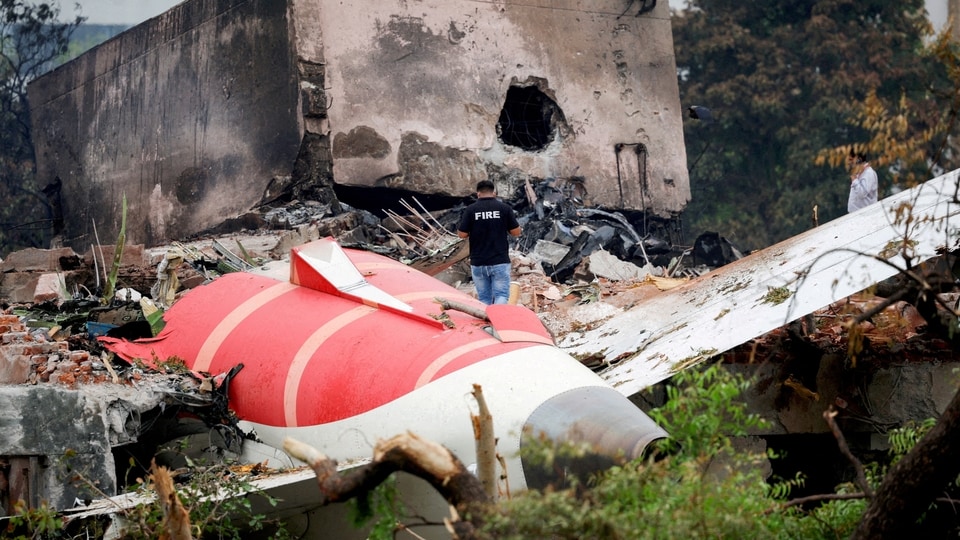
The move comes in the wake of a catastrophic incident on June 12, when an Air India Boeing 787-8 operating a flight from Ahmedabad, Gujarat, to London Gatwick crashed into a building shortly after takeoff. The crash claimed 260 lives, including 19 people on the ground, as the aircraft plummeted into a hostel building. Of the 242 people onboard, only one passenger survived. The cause of the crash remains under investigation, but safety protocols across the aviation sector have since come under heightened scrutiny.
Responding swiftly, the Directorate General of Civil Aviation (DGCA) issued a directive on July 14, mandating inspections of the FCS locking mechanism on all relevant aircraft. Air India, which operates Boeing 787 Dreamliners, and its low-cost subsidiary Air India Express, which operates Boeing 737s, conducted the inspections in line with the directive.
Air India operates a fleet of Boeing 787 twin-aisle jets on its long-haul operations, while low-cost unit Air India Express operates the Boeing 737 single-aisle jets.
The probe into the Air India flight that crashed and killed 241 of the 242 people on board and 19 on the ground, is centred around the fuel control switches on the Boeing 787 jetliner.
A final report into the incident is expected within a year of the accident.
The switches regulate fuel flow into a plane's engines. They are used by pilots to start or shut down engines on the ground or to manually shut down or restart engines if an engine failure occurs during a flight.


