
 E-Paper



Amid lockdown, Shimla gets respite from monkey menace
Twelve days into the curbs, about 1,900 simians who have made the Himachal Pradesh capital their home -- often to the chagrin of officials, residents, and tourists -- are conspicuous by their absence.


Since the 21-day national lockdown started on March 25 to control the spread of the coronavirus disease (Covid-19), there have been reports from different parts of the country of a rise in animal sightings -- leopards, deer, elephants -- in big cities (a trend similar to several other countries where lockdowns were imposed).
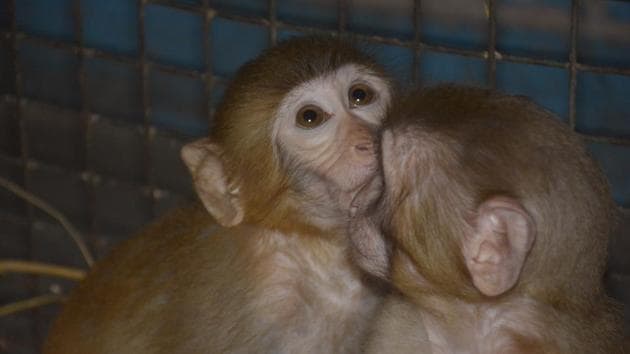
Shimla, however, has a different story to tell.
Twelve days into the curbs, about 1,900 simians who have made the Himachal Pradesh capital their home -- often to the chagrin of officials, residents, and tourists -- are conspicuous by their absence.
According to experts and the local administration, few people on the streets has led to the lack of food, prompting many of these simians to either move to nearby forests, or to villages on the periphery of the city. Most langurs have headed into the forest in search of food, while several rhesus monkeys have chosen to head to villages on Shimla’s outskirts. These simians are largely herbivorous in the city, living off gifted food and leftovers, but become omnivores when in the forest, feeding on rats and insects. “This is a temporary phase. they will be back once the bustle of the town returns. Over the years, the monkeys developed commensal habits by feeding on garbage, food waste on the streets, or by raiding homes,” said Rajesh Sharma, Shimla’s divisional forest officer, wildlife.
Commensalism, which results from long-term biological interaction, is where members of one species gain benefits while those of the other species are neither benefited nor harmed.
The most striking fallout of Shimla’s missing monkeys is on the Hanuman temple in Jakhu Hills that was overrun with simians The temple’s priest who performs rituals in the absence of devotees these days, says he has not come across the sight he’s seeing these days in his four decades at the temple. “At any given time, about 500 monkeys would roam in and around the Jakhu temple, but now they have simply vanished,” says Anil Thakur, a local who lives near the temple and runs a travel business.
.


