
 E-Paper



Anti-graft crusade to arrest: Arvind Kejriwal’s political journey
Behind Kejriwal’s and AAP’s political disruption of the nation’s political establishment was an anti-politics populist message honed in 2011

 Prefer HTon Google


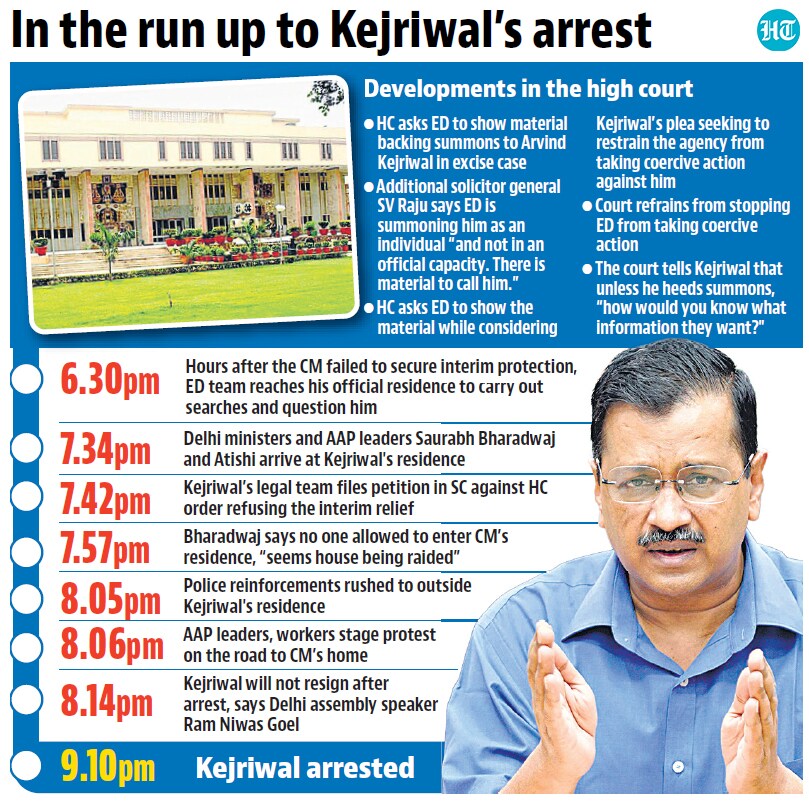
A little less than three decades ago, Arvind Kejriwal was an officer in the Income Tax department posted in Delhi, reporting under the same larger organisation structure of the department of revenue, from where sleuths of the Enforcement Directorate (ED) turned up on Thursday and placed the now 55-year-old under arrest.
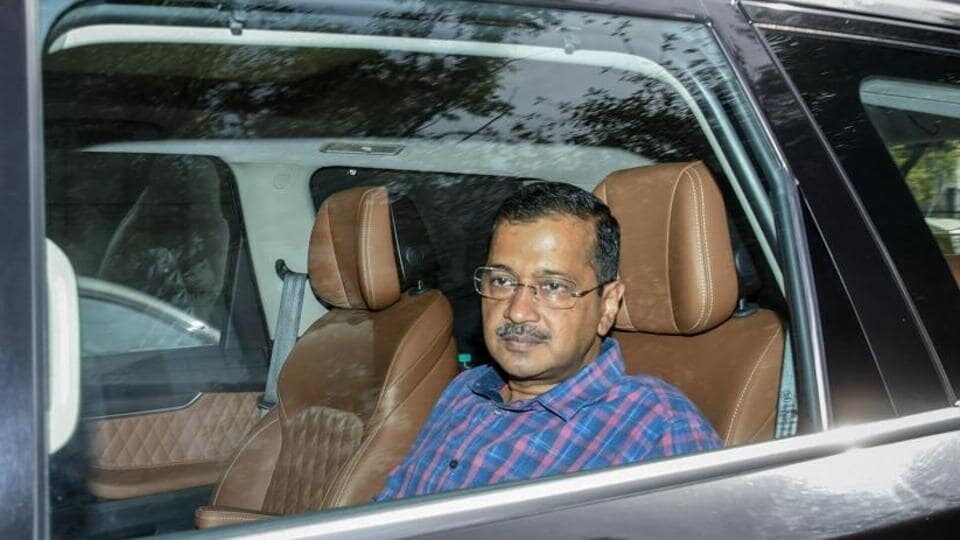
Between quitting his job as joint commissioner of Income Tax in 2006 and his arrest over allegations related to alleged irregularities in a now-abandoned 2021-22 excise policy, Kejriwal transited through the three main dimensions of public life: a civil servant, an activist, and a politician on a journey that saw him described as RTI activist, India Against Corruption leader, Aam Aadmi Party convener, and chief minister.
Thursday’s arrest is in connection with allegations pertaining to Delhi’s excise policy that his AAP administration launched in its fifth year in power in the national capital. The party, which has seen three of its top leaders jailed by federal agencies in connection with the case, has claimed that the allegations are a part of a political conspiracy by Prime Minister Narendra Modi’s Bharatiya Janata Party (BJP), a charge the ruling party at the Centre has dismissed.
Over the years, Kejriwal and his colleagues have demonstrated electoral performances that do indeed make them a formidable presence in the national political landscape after the AAP scripted political history by winning its first elections in 2013, a year after it was set up.
Behind Kejriwal’s and AAP’s political disruption of the nation’s political establishment was an anti-politics populist message honed during the 2011 India Against Corruption demonstrations.
In just over a decade, the party has secured brute majority governments in Delhi and Punjab, won seats across Gujarat and Goa, and sent 10 members to the Rajya Sabha. It is now the third-largest party nationally after the BJP and the opposition Indian National Congress.
The first victory, with 28 seats, led to a short-lived government of mere 49 days --- it was the party itself the pulled the plug on the government with a plan to seek a bigger political mandate. The gamble worked and after an electric campaign marked with door-to-door canvassing and mohalla outreach, the party snagged a historic 67-seat victory in 2015. Then came a repeat victory in Delhi in 2020, and a sweet of Punjab in 2022.
Read more: ‘BJP jittery ahead of LS polls’: INDIA bloc slams Centre over Kejriwal's arrest
At the centre of AAP’s success is Kejriwal himself, an omnipresent figure deeply involved in strategy, messaging, and shaping the party’s upstart brand of governance. His supporters laud policies like free electricity and water in Delhi, alongside a focus in education and health care.
But since its victory in Punjab in 2022, the party has faced major headwinds. It began with then health minister Satyendar Jain being arrested by the ED on May 30, 2022 for alleged money laundering. In July 2022, after Delhi lieutenant governor (LG) VK Saxena recommended a CBI probe into the excise policy, the federal agency registered a case against 15 accused, including then Delhi deputy chief minister Manish Sisodia.
Read more: Arvind Kejriwal is first sitting chief minister to be arrested
Sisodia was arrested on February 26, 2023 and in October, AAP MP Sanjay Singh – another prominent face --- was arrested in the same case.
Kejriwal and his colleagues have often cited these political cases to accuse Modi and his party of being unscrupulous political powers that play an unfair game and in doing so, have attempted to position the activist-turned-politician as a future alternative to Modi himself.
All eyes will now be on the nature of the fight -- legal and political – the party launches with some of its main leaders imprisoned, and the implications that lie for the Lok Sabha elections due over the next two months.


