E-Paper



Average Indian’s monthly spend rises, shows survey
The National Statistics Office’s Household Consumption Expenditure Survey (HCES) showed poorer classes increased spending at a faster rate while expenditure by the richest declined even in nominal terms, leading to reduced consumption inequality.

 Prefer HTon Google


The average Indian’s monthly spending increased 9.2% to ₹4,122 in rural areas and 8.3% to ₹6,996 in urban regions during 2023-24 compared to the previous year, with food driving rural growth while non-food items propelled urban expenditure, according to official data released on Friday.
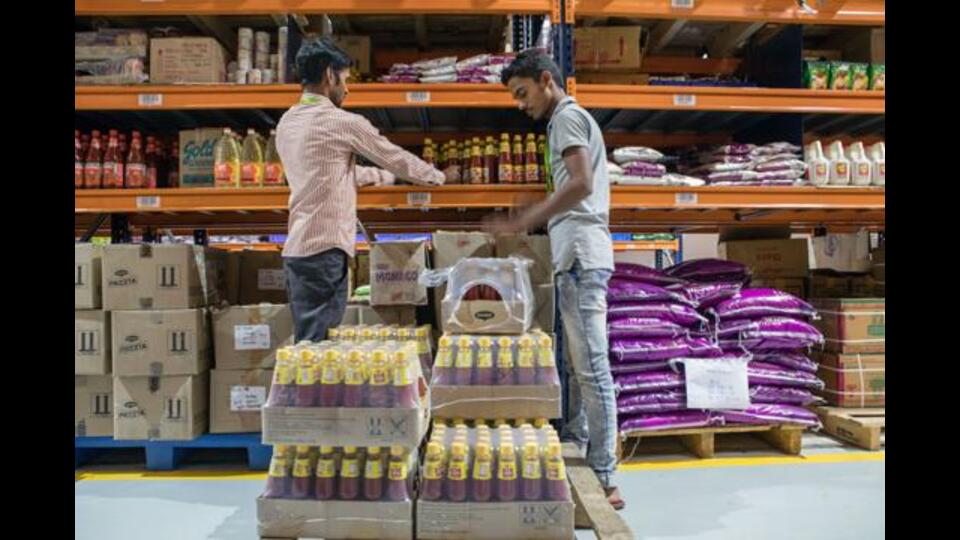
The National Statistics Office’s Household Consumption Expenditure Survey (HCES) showed poorer classes increased spending at a faster rate while expenditure by the richest declined even in nominal terms, leading to reduced consumption inequality.
In rural India, food accounted for 54% of the ₹349 rise in spending. Vegetables, beverages and processed food, and dairy products contributed 35% of this growth. Among non-food items, clothing, bedding and footwear had the largest share at 12.3% of the rise in total rural spending.
Urban areas saw non-food items driving 54% of the ₹537 increase, led by miscellaneous goods and entertainment, clothing and footwear, and education. However, food categories like beverages and processed food, vegetables, and dairy products still accounted for 31.5% of the urban spending growth.
The NSO factsheet showed that despite these shifts in spending patterns, individual items’ shares in household budgets remained stable, with no category changing by more than one percentage point in either rural or urban areas.
The survey revealed that expenditure by the richest 5% declined in both regions - 3.5% to ₹10,137 in rural areas and 2.5% to ₹20,310 in urban areas. Meanwhile, poorer classes across both regions showed faster growth in spending.
This led to a drop in the Gini coefficient, which measures inequality, from 0.266 to 0.237 in rural areas and 0.314 to 0.284 in urban regions. A lower coefficient indicates reduced inequality.
The rural-urban growth comparison needs to be viewed in the context of higher rural retail inflation (5.5%) compared to urban areas (4.7%) during the August-July survey period. When adjusted for inflation using Consumer Price Index values to 2011-12 prices, the growth difference narrows significantly. Real spending grew 3.6% in rural areas (from ₹2,008 to ₹2,079) and 3.5% in urban regions (from ₹3,510 to ₹3,632).
The 2023-24 HCES was conducted between August and July, marking only the second round of the revised consumption expenditure survey format. The NSO indicated these back-to-back surveys would facilitate revision of key macroeconomic indicators including GDP and Consumer Price Indices.