
 E-Paper



Ayodhya case:Will be a miracle to deliver verdict in 4 weeks’: SC to lawyers
Chief Justice of India Ranjan Gogoi told the parties in the Ayodhya title suit case that the apex court has four weeks to write the judgment.

 Prefer HTon Google


The Supreme Court on Thursday once again stressed on the need to complete arguments in the Ayodhya land dispute case by October 18. “If arguments can’t get over by October 18, there won’t be extra day,” Chief Justice of India Ranjan Gogoi told both sides arguing the case.
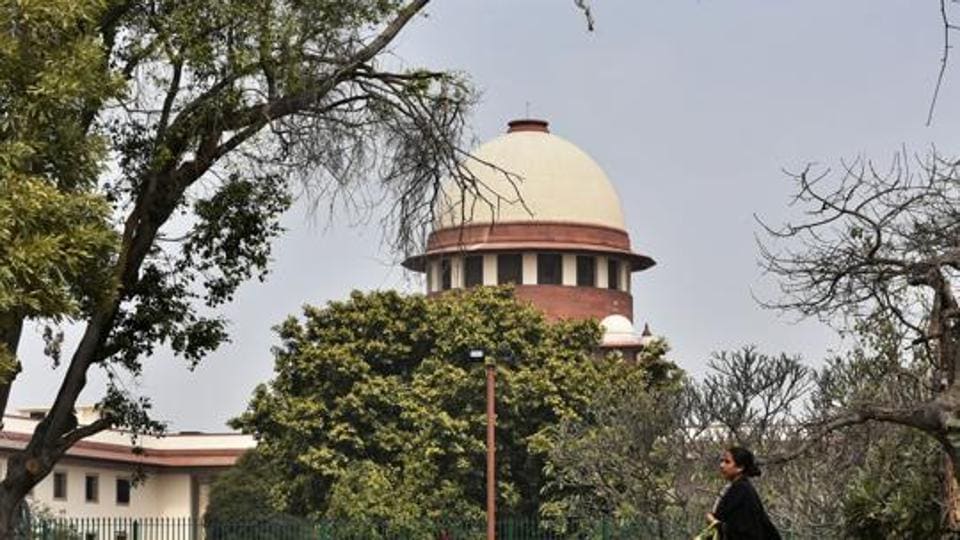
The CJI said the bench will have only four weeks to write the judgment and it will be a “miracle” if the court delivers the judgment in four weeks. Justice Gogoi retires as the CJI on November 17.
The five-judge bench comprising Chief Justice of India Ranjan Gogoi, and justices SA Bobde, DY Chandrachud, Ashok Bhushan and S Abdul Nazeer had last week set October 18 target to complete hearing in the Ram Janmabhoomi-Babri Masjid land title case. The CJI had called for a joint effort from all parties.
The mediation panel comprised former SC judge FMI Kalifulla, spiritual guru and founder of Art of Living founder Sri Sri Ravishankar and senior advocate Sriram Panchu, a renowned mediator.
The panel had conducted negotiations between Hindu and Muslim litigants for over four months to explore the possibility of an out-of-court settlement. The panel was initially given eight weeks to explore the possibility of a settlement, but on May 10, after the panel submitted an interim report to the court, the SC granted it an extension of three months, till August 15.
The bench started holding daily hearings from August to fast-track the case that has been pending for decades after a Supreme Court appointed mediation committee failed to develop a consensus among the parties for a solution.
The mediation proposal was opposed by the Uttar Pradesh government and the Hindu parties, except the Nirmohi Akhara, one of the main parties to the civil suit. The mediation suggestion was however welcomed by the Muslim side.
More than a dozen appeals were filed against the 2010 Allahabad High Court judgment, delivered in four civil suits, that the 2.77-acre land in Ayodhya be partitioned equally among the three parties—the Sunni Waqf Board, the Nirmohi Akhara and Ram Lalla.


