E-Paper



Ayushman Bharat: All you need to know about the mega healthcare scheme
Prime Minister Narendra Modi will launch the government’s flagship Ayushman Bharat Yojana on Sunday from Ranchi. Here’s all you need to know about the scheme.

 Prefer HTon Google


Prime Minister Narendra Modi will launch the government’s flagship Ayushman Bharat- Pradhan Mantri Jan Arogya Yojna (AB-PMJAY) - on Sunday from Ranchi. Here’s all you need to know about the government’s Rs5 lakh cashless health insurance cover:
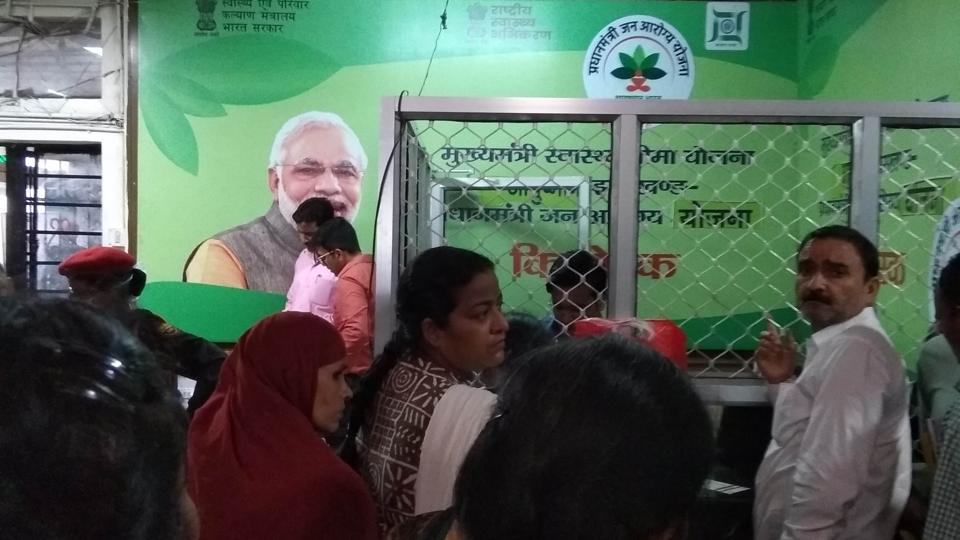
*Ayushman Bharat Yojana has 10.74 crore families as beneficiaries.
*Under the scheme, each family will have an insurance cover of Rs 5 lakh per year and there is no cap on the size of the family.
*The transactions would be cashless.
Read more: Ayushman Bharat, building India’s new health base
*The insurance scheme has 1,350 packages to cover treatment including those for cancer surgeries, radiation therapy, chemotherapy, cardiac surgeries, stenting; neuro (brain) surgeries, spine surgeries, dental surgeries, eye surgeries, specialised tests such as MRI, CT scans etc.
*A majority of states except Odisha, Delhi, Punjab, Telangana, Kerala, Karnataka are on board for the scheme.
*An Aadhaar card is not mandatory for a beneficiary to avail services under Ayushman Bharat. The scheme will be entirely paperless, cashless and IT-based.
*The finance model involves private insurers, trust/society and a mixed model insurance. Ayushman Bharat will be implemented by national and state health agencies
*The scheme is being launched against a background of soaring costs of medical treatment in the country with in-patient hospitalisation expenditure rising by 300% over the past decade. Patients spend 80% out of their pocket for their treatment, according to National Sample Survey Office’s (NSSO) figure of 2015.
*Sixty eight per cent of rural households primarily depended on their household income or savings for treatment while 25% depended on borrowings.
*Seventy five per cent Urban households relied more on their income/saving and 18% relied on borrowings according to the survey.
*According to NSSO 2015, six million families were being pushed into poverty due to catastrophic health expenditures.