
 E-Paper



Be extremely careful in staying projects of national importance, SC tells HCs
The top court underlined that in a mega project funded by a foreign country, there shall not be any interference in the tender process midway till the final decision is taken to award the contract

 Prefer HTon Google


High courts should be extremely “careful and circumspect” in staying the execution of projects of national importance, especially those funded by the foreign countries, the Supreme Court held on Monday while sounding a word of caution against judicial interference in commercial contracts.
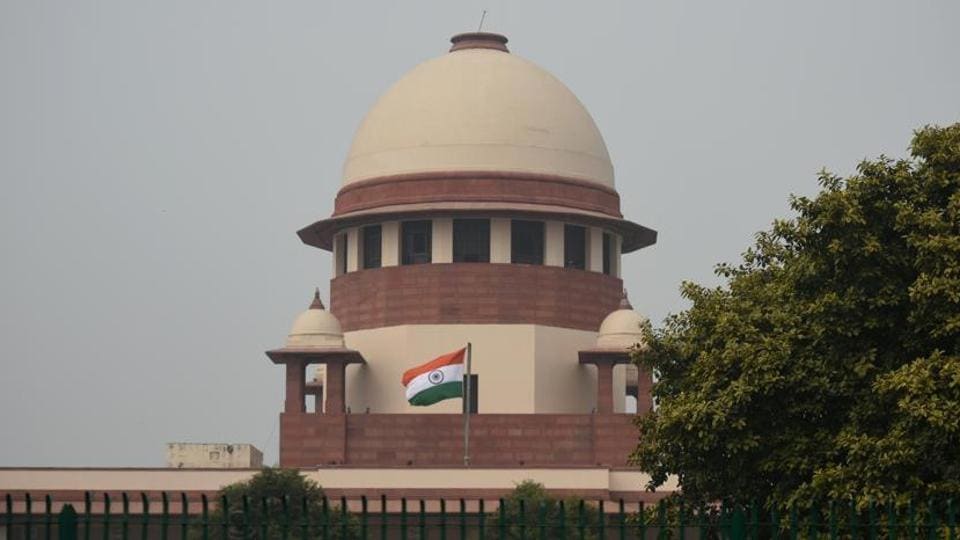
Delivering an order relating to the implementation of the Bullet Train project between Mumbai and Ahmedabad, the top court further suggested that courts may warn the petitioners about recovery of damages from them on account of delay in execution of projects due to “frivolous litigation” initiated by such litigants.
“While entertaining the writ petition or granting the stay which ultimately may delay the execution of the mega projects, it must be remembered that it may seriously impede the execution of the projects of public importance and disables the State and/or its agencies/instrumentalities from discharging the constitutional and legal obligation towards the citizens. Therefore, the high courts should be extremely careful and circumspect in exercise of its discretion while entertaining such petitions or while granting stay,” said a bench of justices MR Shah and AS Bopanna.
It underlined that in a mega project funded by a foreign country, there shall not be any interference in the tender process midway till the final decision is taken to award the contract. “The reason behind this is that any delay in such a project may increase the ultimate project cost and it may affect the future investment by the foreign country, which would never be in the larger interest of the nation,” said the bench.
It highlighted that a mega project like the Bullet Train project is entered into following a detailed discussion between the heads of the States and therefore, such projects invite different considerations so far as the judicial interference is concerned between the foreign funded contracts and the ordinary public works contracts funded from the public exchequer.
“Any delay in execution of such a mega project, which is very important project for the developing country like India, may not be in the larger public interest and in the nation’s interest. Such an interference by the courts midway and delay in the projects like these, which is funded by the foreign countries on bilateral mutual understanding/agreement by the developed country to a developing country, may affect the future investments,” lamented the bench.
The court said this while allowing an appeal by the National High Speed Rail Corporation Ltd (NHSCL) against an order of the Delhi high court in August 2021. The high court had set aside a decision of NHSCL to reject technical bids of a construction and infrastructure company, Montecarlo Ltd, and directed the government company to consider and evaluate the bid submitted by Montecarlo along with the bids submitted by four other unsuccessful bidders.
Solicitor general Tushar Mehta, appearing for NHSRCL, informed the Supreme Court that the Bullet Train Project is a foreign sovereign contract, fully funded by the Japan International Cooperation Agency (JICA) for an amount of ₹1 lakh crore with a very negligible rate of interest and by providing repayment in instalments of 27 years and above. Mehta said that as per the memorandum of corporation, the process of bidding and the subsequent decisions were to be vetted by JICA, which recommended rejection of the bids by five companies, including Montecarlo. He faulted the high court with failing to draw a distinction between an ordinary government contract and a sovereign foreign funded development contracts where the government has no room of any deviation from essential conditions of tender proposed by the investor.
Accepting S-G’s submissions, the Supreme Court set aside the HC order, noting that the interference by the high court was bad also because the terms of bidding were clear to Montecarlo from the very beginning and that there was no allegation of malafide or nepotism in awarding the contract to any other party. Further, the bench said that the HC ought not to have interfered since the ultimate decision in such matters had to rest with the investor, who was of the view that the bid submitted by Montecarlo suffered from material deviation.
“The foreign country is ready to invest such a huge amount on non-negotiated terms and the bid documents are prepared by the foreign financial agency/country in accordance with the latest version of the standard bidding documents. These investments from developed nations are made on the basis of non-negotiated terms and conditions, where the sole discretion as to what would be the conditions of the investments and on what terms the contractors would be chosen to implement the project, vests with the investor foreign developed nation,” it held.
The court added that a delay in the execution of the project due to the intervention by courts may have cascading effect on the project cost and ultimately, increase the project cost while imposing heavy financial burden.
“With these words of caution and advise, we rest the matter there and leave it to the wisdom of the concerned court(s), which ultimately may look to the larger public interest and the national interest involved,” concluded the court.
By a judgment in May 2017, the Supreme Court had highlighted “economic analysis of law” approach is the best route to embark upon if the judiciary wishes to help the country become a developed economy.
Noting that projects worth thousands of crores of rupees are stuck due to pending litigation, a bench headed by justice AK Sikri (since retired), in the 2017 judgment, implored the courts in the country to acknowledge the interface between law and economics and “lean in favour of economic interest of the nation”. It said this interface was much more relevant at a time when India has ushered into the era of economic liberalisation while holding that economic analysis and economic impact of its decisions must weigh heavily for the courts in cases where major business interests are at stake.



