
 E-Paper



Bihar government’s ‘failure’ to implement total prohibition risking lives: Patna high court
Patna: Lives of people have been placed at risk due to the failure of the state government to enforce total prohibition in Bihar, the Patna high court has observed, adding that this has also led to overcrowding the already overburdened judiciary and a sharp increase in drug addiction and consumption of deadlier adulterated liquor

 Prefer HTon Google


Patna: Lives of people have been placed at risk due to the failure of the state government to enforce total prohibition in Bihar, the Patna high court has observed, adding that this has also led to overcrowding the already overburdened judiciary and a sharp increase in drug addiction and consumption of deadlier adulterated liquor.
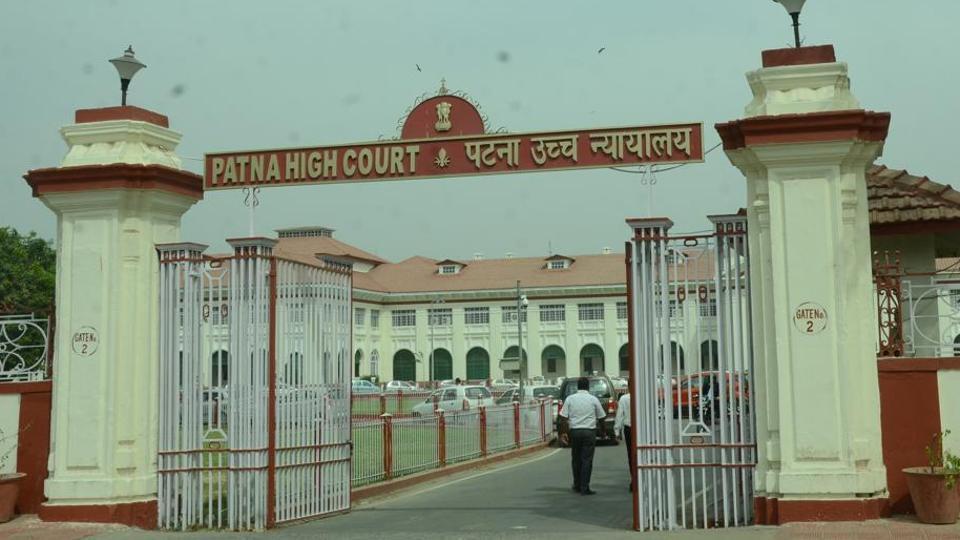
“The lives of citizens of the State is risked by the failure of the state authorities to implement complete prohibition in Bihar to safeguard the health, life and liberty of the people at large and their confidence,” the court said in an order uploaded on Tuesday.
Bihar imposed total prohibition in April, 2016. Though there is no official figure about the number of deaths in hooch tragedies, over 50 people have died in hooch tragedies in different parts of the state this year alone.
“The data shows that before 2015, there were hardly any case related to drugs, but post 2015, the same has alarmingly surged. What is more worrying trend is that most addicts are as young as 10 years and below 25 years of age,” the court said. “The statistics shows that the addiction for ganja charas/bhang has shot up post prohibition. The state has failed to stop trafficking of drugs throughout Bihar.”
Hearing a bail petition of Niraj Singh, a resident of Muzaffarpur district who has been in jail in a prohibition-related case since November last year, justice Purnendu Singh on October 12 said that “it has seen the rising trend of manufacturing and smuggling of liquor due to the deliberate inaction of the State officials” and referred the matter to the chief justice to take cognizance for instituting public interest litigation in larger public interest.
“The ill effects of intoxicants are well established. This is why the framers of the Constitution considered it fit to include it in express terms in Article 47 of the Constitution while mandating the duty of the State to raise standards of living and to improve the public health. Bihar prohibition law has been enacted with the said objective, but for several reasons it finds itself on the wrong side of the history,” justice Singh said in the order dated October 12.
The judge also cited a Supreme Court order by justices Sanjay Kishan Kaul and M M Sundresh, directing the state government to collate the number of prosecutions under the prohibition law and cases pending under the excise act. “The Apex Court directed that a mechanism should be put in place to deal with the situation which seemed not to have been done by the state referring to the increase in number of cases in lower court and the HC after the law was passed putting additional workload on the already overburdened judiciary,” the judge said.
The top court had earlierdirected the Bihar government to focus more on preventive steps to stop sale and consumption of liquor in the state. The high court also referred to a December 2021 orderof former Chief Justice of India NV Ramana, rejecting the Bihar government’s contention that guidelines be framed to ensure reasoned bail orders were passed taking into account the quantity of liquor seized from an accused.
The high court said the factors behind the failure of prohibition law include smuggling of liquor from outside the state and from the neighbouring country of Nepal and its mechanism, use of stolen vehicles using fake documents, engaging minors to transport liquor, lacuna left by investigating officers in the conduct of search, seizure and investigation, failure of the state to take strict disciplinary action against erring officers, prohibition pushing the consumption of cheaper hooch and drugs, leading to thriving parallel economy of illicit liquor and a sharp rise in consumption of illicit drugs and resulting addiction.
“The State government has failed to develop standard operating protocol to treat patients so affected (due to consumption of spurious alcohol). No treatment mechanism is in place to treat such patients affected due to spurious liquor by establishing a separate health centre / rehabilitation centre or engaging expert / trained health care workers to attend such patients,” the high court said. “Post liquor ban, the State has witnessed large number of hooch tragedies occurring every day. This is the most worrying part which this Court has noticed.”
“The life of the people has been put at great risk not only by spurious liquor but also by the rampant use of illicit drugs,” the bench said.


