
 E-Paper



BSF to undergo tech upgradation, to get 436 drones and new anti-drone systems
In the past one year, Pakistani deep state is using Chinese commercial drones to transport assault rifles, pistols and grenades to the Khalistani terrorists in Punjab as well as jihadis in Jammu and Kashmir.

 Prefer HTon Google


With Rakesh Asthana taking over as full-time Director General of the Border Security Force (BSF), technological upgradation of the force has started with approval for 436 small and micro drones for border surveillance and anti-drone system being currently tested on India-Pakistan border to shoot down any drone carrying weapon-load for terrorists in Punjab, and Jammu and Kashmir.
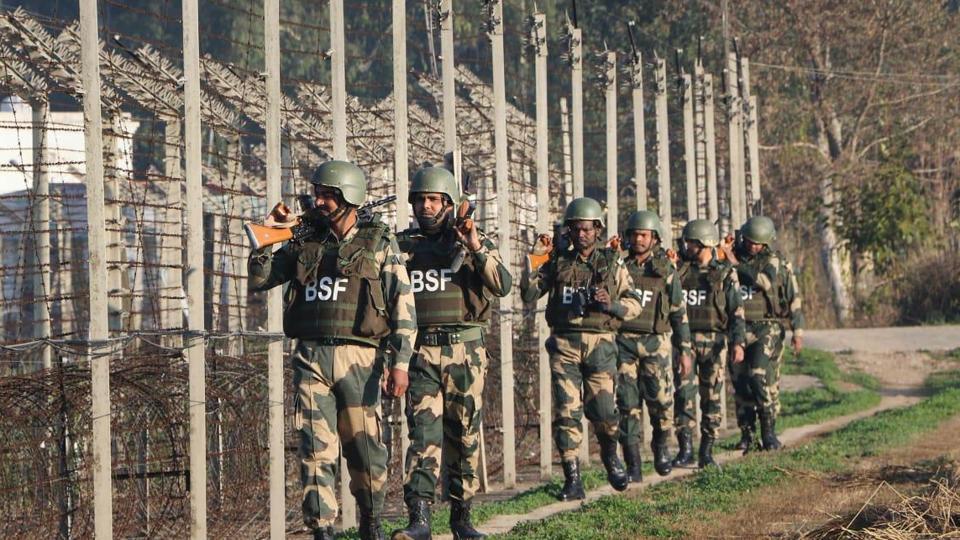
Under the Comprehensive Integrated Border Management (CIBM) plan, all 1923 border outposts manned by BSF on Pakistan and Bangladesh border will be equipped with sensors, CCTV and drone feeds from the sector headquarters with as many as 1,500 posts (as rest are in remote locations) being able to fly drone to recce the border and use anti-drone system to shoot any weapon pay-load transportation from across.
According to senior Ministry of Home Affairs (MHA) officials, while the cost of small and micro drone will come around Rs 88 crore, the BSF with the help of security agencies is currently testing an indigenous anti-drone system on the sensitive Punjab border with Pakistan. In the past one year, Pakistani deep state is using Chinese commercial drones to transport assault rifles, pistols and grenades to the Khalistani terrorists in Punjab as well as jihadis in Jammu and Kashmir.
By killing five Pakistani intruders carrying assault rifles and Afghan heroin on Friday morning, the new DG has made his intentions clear that the BSF will be pro-active on both the borders and will not allow any anti-India activity. It is understood that the BSF chief personally spoke to the company commander who carried out the successful operation in Taran Taran sector.
As Rakesh Asthana also holds the charge of DG, Narcotics Control Bureau (NCB), the G Branch or the intelligence branch of the BSF is also being revived so that Afghan drugs do not make their way across the Pakistan border or the Line of Control (LoC) in Jammu and Kashmir. In this context, a common strategy will be adopted between the BSF and NCB to bring big cross border drug kingpins to book as the narcotic trade funds the cross border weapons smuggling and terrorism both in Punjab and Jammu and Kashmir. In the past decade, India has not only become the hub of drug transhipment but also a major consumer of narcotics like heroin and cocaine from Afghanistan.


