E-Paper



CAG highlights Namami Gange Programme’s poor implementation in Uttarakhand
The report said the State Ganga Committee failed to conduct timely safety audits of STPs, resulting in avoidable loss of human lives and damage to assets

 Prefer HTon Google


A Comptroller and Auditor General (CAG) of India report has highlighted the poor implementation of the Namami Gange Programme, a flagship initiative focused on rejuvenating the Ganga through infrastructure, biodiversity, and public awareness, in Uttarakhand, citing shortcomings in sewage management, waste disposal, monitoring mechanisms, and public awareness efforts.
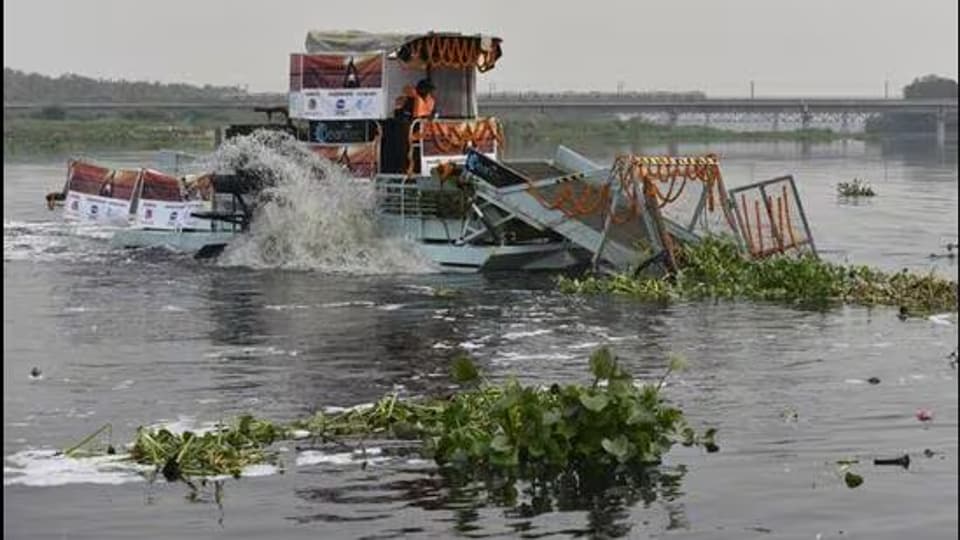
The report tabled in the state assembly on Tuesday said the State Ganga Committee and the State Mission for Clean Ganga did not adequately plan and implement sewage treatment infrastructure in collaboration with local communities. It noted that the state government did not contribute resources to improve sewerage facilities in Ganga-front towns. The report said many sewage treatment plants (STPs) consequently remained either unconnected or partially connected to household sewer networks.
The report, based on the audit of the flagship programme in 2023-24 covering the period from 2018-19 to 2022-23, said that existing STPs lacked sufficient treatment capacity, resulting in the discharge of untreated sewage into the Ganga.
The CAG said that Uttarakhand Jal Sansthan declined to take over 18 STPs due to deficiencies in their construction and operation. It added that proper management of sewage sludge was also neglected.
The report said the State Ganga Committee failed to conduct timely safety audits of STPs, resulting in avoidable loss of human lives and damage to Namami Gange assets.
The audit, which assessed the on-ground implementation of the programme in the state’s Ganga-front towns, highlighted that the State Mission for Clean Ganga’s crematoria remained largely unused due to inadequate public awareness campaigns. It pointed to limited progress in forestry interventions under the project. The report noted that only 16% of the planned expenditure was implemented.
The audit found solid waste management in Ganga towns inadequate; garbage was often dumped on river slopes or disposed of through burning instead of being properly processed, resulting in waste flowing back into the river.
The report said the quality of treatment at STPs was poor, with most plants failing to comply with the National Green Tribunal or the government of India norms. Water quality of the Ganga up to Devprayag was categorised as Class A. In Rishikesh, it remained in Class B from 2019 to 2023, except during the Covid-19 period (2020-21) when it improved to Class A. The river’s water quality in Haridwar remained consistently in Class B during the audit period.
Class A and Class B represent the Central Pollution Control Board-defined standards of surface water quality. Class A water is considered fit for use as a drinking water source without conventional treatment, but after disinfection.
The report noted that the Uttarakhand Pollution Control Board failed to obtain accreditation from the National Accreditation Board for Testing and Calibration Laboratories for its laboratory that monitors the Ganga water quality and effluents discharged from STPs.
The audit found that the implementing agency relaxed the Indian Institute of Technology Roorkee’s stringent tertiary treatment standards during the tendering process. It said the faecal coliform standard of zero MPN per 100 ml was relaxed to 100 MPN per 100 ml, which is the desirable limit under National Green Tribunal norms. As a result, contracts for the construction and upgradation of STPs were awarded based on the relaxed standards.
The audit covered 42 projects, including 25 sewage management projects, 15 riverfront development and ghat cleaning projects, one afforestation project, and one aimed at industrial pollution.