E-Paper



Carcinogens, fertilisers, antibiotics contaminate milk: FSSAI survey
India’s food safety body says most milk (90%) sold in the country is safe to drink, based on the findings of a survey conducted this year which belied the conclusions of a 2011 study.


India’s food safety body says most milk (90%) sold in the country is safe to drink, based on the findings of a survey conducted this year which belied the conclusions of a 2011 study.
Milk contaminated with antibiotics, cancer-causing aflatoxin M1, and crop fertiliser ammonium sulphate are the main concerns for the Food Safety and Standards Authority of India (FSSAI), even though 39% of the samples tested under the National Milk Quality Survey, 2018, were non-compliant with current fat and solids-not-fat (SNF) standards.
Close to 10% of the samples had contaminants that make the milk unsafe to drink. Solids-not-fat (SNF) are protein and minerals such as calcium naturally found in milk.
“Fat and SNF non-compliance isn’t a serious safety issue but a quality issue. It may not mean the milk is unsafe to drink,” said Pawan Agarwal, Chief Executive Officer, FSSAI.
“The levels could vary due to cattle type, fodder quality, regional environment etc apart from addition of water or sugar. However, presence of antibiotics and other contaminants, even in small quantity, is the problem that needs further investigation.”
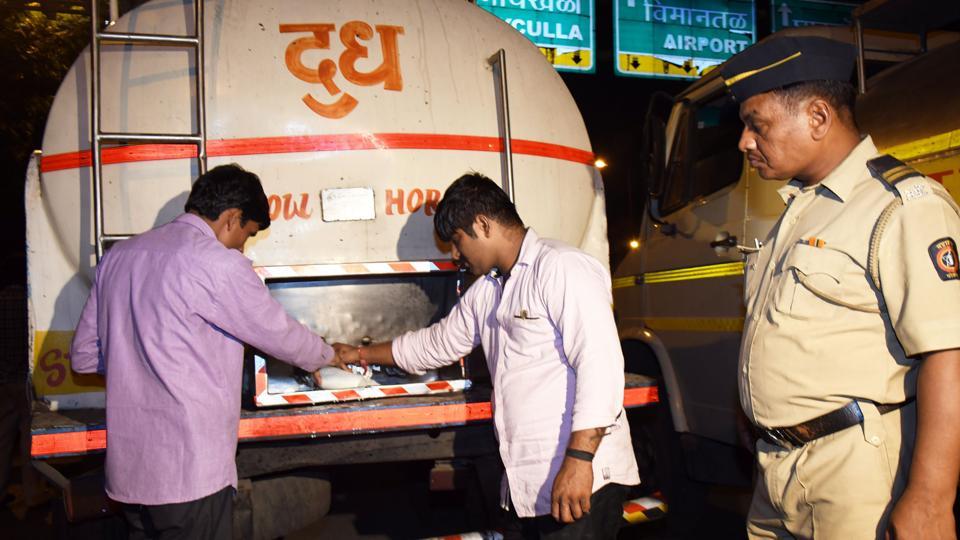
The regulator conducted the survey in 1,100 major cities and towns across 36 states and union territories, collecting 6,432 raw and processed milk samples. Raw milk samples were taken from cows and buffalos, and processed milk from full-cream, double toned, standardised and toned varieties.
The interim analysis of the samples found aflatoxin M1 residue above the permissible levels in 5.7%, and ammonium sulphate in 3% and antibiotic oxytetracycline in 1.2% of samples. The amount of pesticides in the samples collected was negligible, with just six samples showing traces of these. “Milk largely is safe to drink, there is no need for panic as it can affect exports,” Kuldeep Sharma, consultant, dairy technology.
“The adulteration of milk with things like urea, detergent, hydrogen peroxide was found in only 12 of the total samples that busts the myth that Indians drink adulterated milk. Milk in India is largely safe, and we need to improve our fodder quality,” said Agarwal. The FSSAI’s interim report released on Tuesday also junked its previous survey report that was conducted in 2011 and which claimed 68% of the milk samples were not safe.
“The previous survey had infirmities, in terms of sample size, data collection and analysis methodology, which is why we had to commission a fresh survey to get the real picture about the quality of milk in India,” said Agarwal. The interim report will be shared with the states and other stakeholders to prepare a detailed action plan to monitor the quality of milk.