
 E-Paper



Cases of LPG injuries rise in Delhi; multiple burns in each: Study
The share of LPG burns – among all flame burns reported at Delhi’s RML hospital – has gone up from 0.1% during the initial round of study between 1993 and 2000 to 27% between 2007 and 2011

 Prefer HTon Google


Over half of all the flame burn injuries reported in a Central Delhi hospital were due to household LPG leak, with most of the incidents resulting in burns and smoke inhalation injuries in more than one person, according to a study between 2016 and 2020 by doctors from Ram Manohar Lohia hospital. The share of LPG burns – among all flame burns reported at the hospital – has gone up from 0.1% during the initial round of study between 1993 and 2000.
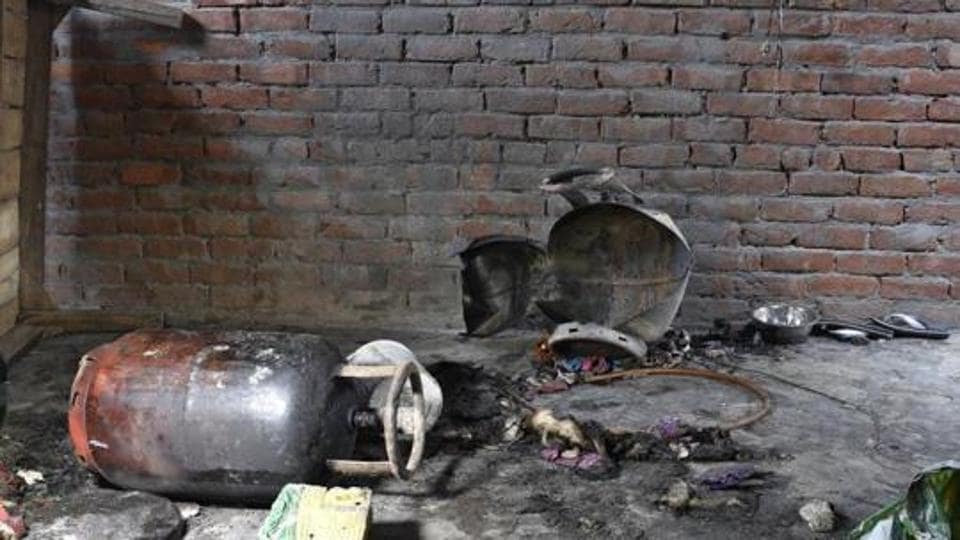
This share rose to 10% in the second round of the study between 2001 and 2007 and 27% between 2007 and 2011.
“This could be because of the increase in the use of LPG cylinders and phasing out of kerosene chullahs due to the government policies. However, there is a need to increase awareness on how to handle the gas stove and LPG; the lack of knowledge puts one at an increased risk of burn injuries,” said burns and plastics surgeon Dr Samik Bhattacharya, who was earlier working at the Maulana Azad Medical College, who has been studying the burns data at the hospitals 1993 through 2020 in four rounds.
The study used a six-point scale to gauge the knowledge of people about LPG cylinders and burners, with a score of less than 3 being considered to be inadequate knowledge. As per the study, 83% of the LPG burn victims score less than or equal to three. “And, this was irrespective of the literacy level and socio-economic background. People don’t seem to know that LPG is heavier than air and once there is a leak, it settles on the floor like a layer of water. No electrical appliances should be turned on at such time because even the faintest spark can result in a huge fire incident. We also realised that in several instances, it was the user negligence; they forgot to light the gas after turning on the gas. This resulted in a fire when they decided to light the gas later,” he said.
He suggested that the dos and don’ts be printed on the cylinder or a simple test be given to those applying for a new connection. He also suggested that regular checks of gas stove and the regulators should be mandated. As per the study, 48.1% of the household LPG burn incidents were due to valve or regulator malfunction, 32.2% due to stove malfunction, ad 18.7% due to leak from the tube.
In contrast to kerosene burn incidents where only the person cooking was burnt, LPG incidents result in multiple people being burnt, the study shows. Out of the 337 LPG mishaps recorded in the study, 33 events had more than one victim, accounting for 97 patients – two people sustained injuries in 14 of the incidents, three people in 13 incidents, two people in four incidents, and five people in five incidents.
The study also notes that the mean age in case of multiple victim mishaps was 15.44 years in comparison to 29 years for single victim mishaps. This is because the collateral victims were most likely to be children. The number of deaths was also higher – 33% in multiple victim mishaps as compared to 31% in single victim mishaps. And, it was not because of higher degree of burns rather due to smoke inhalation because of “entrapment in smoke filled rooms,” the study notes.
“Pipeline gas is safer in this respect as the gas used is lighter than air and can escape through open doors and windows in case of a leak,” said Dr Bhattacharya.


