
 E-Paper



'This is false': Govt rejects 'foreign influence' charge in UPI merchant fee row
The government also reiterated several points regarding the new UPI framework and clarified that UPI remains free for consumers.

 Prefer HTon Google


The government on Wednesday debunked claims that its decision to levy Merchant Discount Rate (MDR) on some merchant UPI payments was influenced by foreign pressure. Since the announcement of the UPI charge, several critics of the move, including the main opposition Congress party, have accused the government of introducing the fee to favour the United States and please US President Donald Trump.
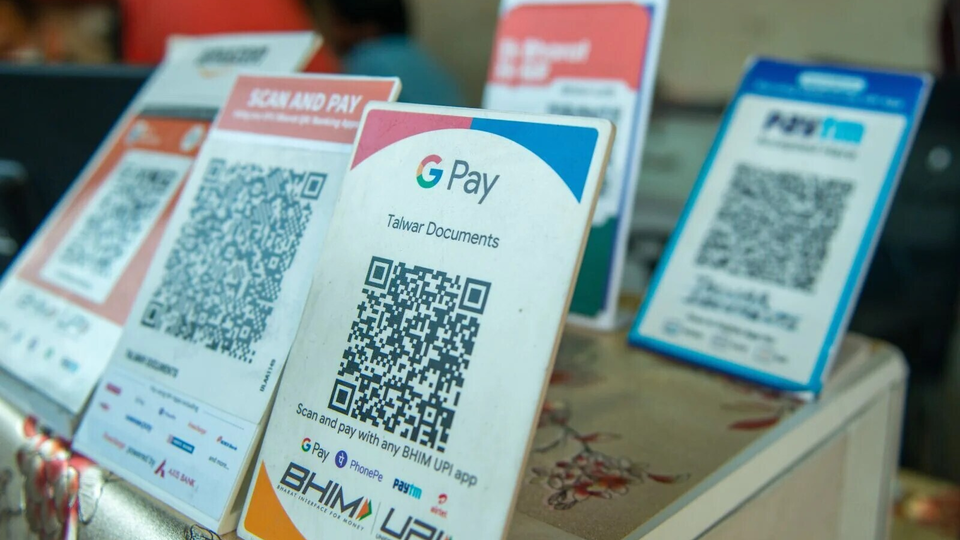
The finance ministry, in a post on X, clarified that the decision was taken with the “goal of building a self-sustaining, inclusive, and affordable digital payments ecosystem” and that it was made independently. It said any claim of foreign influence was false.
Rahul Gandhi, on Wednesday, accused the government of ‘lying down in front of US President Donald Trump’ by burdening ‘every single Indian person’ with a 'UPI tax'.
Deep Dive

“Some claims suggest the change is due to foreign influence. This is false. India’s UPI policy decisions are made independently, with the clear goal of building a self-sustaining, inclusive, and affordable digital payments ecosystem,” the Ministry of Finance said.
Also Read | Petrol pump dealers threaten cash-only payments over ₹5 UPI charge above ₹2,000
The government also reiterated several points regarding the new UPI framework and clarified that UPI remains free for consumers.
Key facts presented by the ministry of finance for UPI users:
1. No charges on P2P: Person-to-person transfers will remain free, regardless of the amount.
2. Small merchants protected: Vendors earning up to ₹1 lakh per month through UPI QR codes will continue to enjoy zero charges.
3. Everyday payments remain free: More than 95% of merchant payments are below ₹2,000, and these transactions will remain free.
Also Read | 'End of day consumer pays': Ashneer Grover questions UPI merchant fee, says 'call it tax'
4. Nominal MDR above ₹2,000: Larger merchant transactions above ₹2,000 will attract a 0.4% fee, to be borne by merchants. The government said this is significantly lower than credit-card charges and other network fees.
5. Essential services capped: Railways, fuel, telecom, bill payments, insurance and other essential services will attract a flat fee of ₹5 per transaction above ₹2,000.
6. Special low rates: Mutual fund and securities payments will attract an MDR of 0.02%, capped at ₹300.
The government said the decision to introduce a small fee on higher-value merchant transactions was aimed at keeping the UPI system self-sustainable, secure and innovative.
“The new framework ensures resources from higher-value merchant transactions are reinvested to support small businesses and strengthen digital payments across the country,” the Ministry of Finance said.


