E-Paper



Centre extends sugar import quota surrender deadline as domestic prices fall
The Directorate General of Foreign Trade (DGFT), in a public notice issued on Monday, said holders of the quota can surrender any unused quantity allocated to them by September 30

 Prefer HTon Google


The Centre has extended the deadline for sugar mills and refiners to surrender unused raw sugar import quotas till September 30, giving them more time to decide whether to go ahead with imports as domestic sugar prices have fallen and global prices have risen.
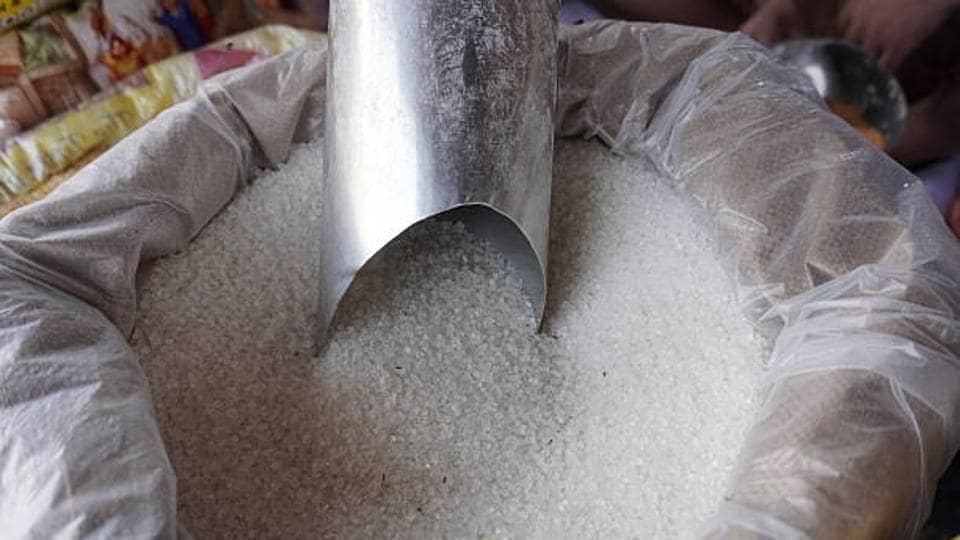
The Directorate General of Foreign Trade (DGFT), in a public notice issued on Monday, said holders of the quota can surrender any unused quantity allocated to them by September 30. They will have to pay an amount equal to 0.5% of the value of the surrendered sugar at the time of import. This replaces the rolling 15-day window that had earlier been given to traders to surrender any quantity they did not want to use.
The decision comes less than a month after the government allowed duty-free imports of 1 million tonnes of raw sugar under a special quota to increase supplies and keep prices under control ahead of the festive season.
Also Read: Sugar prices see sharp drop at mill gates, decline yet to fully reach consumers
But the cost of importing sugar has changed since the government announced the imports. Domestic prices have fallen, while global prices have risen. This means imported sugar is now more expensive than sugar available in India. “With significant correction in domestic sugar prices and with an increase in global sugar prices, there is no parity to import now,” a sugar analyst, who did not want to be named, said.
The analyst said mills that received a large part of the initial allocation are likely to surrender their unused quota rather than import sugar at current international prices.
The government, as per the notification, had already allocated 797,450 tonnes of the 1 million tonne quota after receiving applications from mills and refiners. Another 202,550 tonnes remained available and the DGFT had invited fresh applications for this quantity earlier this month.
The latest decision could therefore give the government a clearer picture of how much sugar is actually likely to be imported under the scheme and how much of the allocation may remain unused. The analyst said refiners that had already bought raw sugar when international prices were lower could still supply that sugar to the domestic market. But buying more at current prices is unlikely to make sense.
Also Read: Rise in sugar prices take a toll on West Bengal’s sweet industry ahead of festive season
She also added that refineries do not have more than 300,000 tonnes to fill the stocks. “And for them to import and supply, there is no parity,” the analyst said.
She estimated that raw sugar imported from Brazil would cost around ₹44 a kg after reaching India. After refining and adding GST, the selling cost would at least come to around ₹52-53 a kg, making imports unattractive as domestic sugar can be bought for less. Ex-mill prices of sugar have fallen down to ₹45 per kg from their highs of over ₹65 per kg in mid-August.
The government has been taking a series of steps to prevent sugar prices from rising further ahead of Dussehra and Diwali, when demand for sugar typically increases. The duty-free import quota was one such measure. The government has also tightened limits on how much sugar dealers can hold, while keeping a close watch on stocks and supplies.
According to the analyst, the country is unlikely to import a lot of sugar. “With the government taking action, it is not easy to predict what level domestic prices would go to. So it is unlikely that anyone will take the risk,” the analyst said.
The September 30 deadline will also allow the government to identify unused quantities sooner and potentially give those quantities to other eligible mills or refiners, she explained.