
 E-Paper



Centre plans to use small savings corpus to fund PM Modi’s affordable housing programme
The government is likely to borrow Rs 10,000 crore for fiscal 2017 from the National Small Savings Fund, which has deposits worth Rs 1.2 lakh core, to fund the Pradhan Mantri Awas Yojana in urban areas


To cut down on market borrowings and save costs, the Centre has decided to dip into the small savings corpus, administered by the finance ministry, to fund its flagship affordable-housing programme for the urban poor.
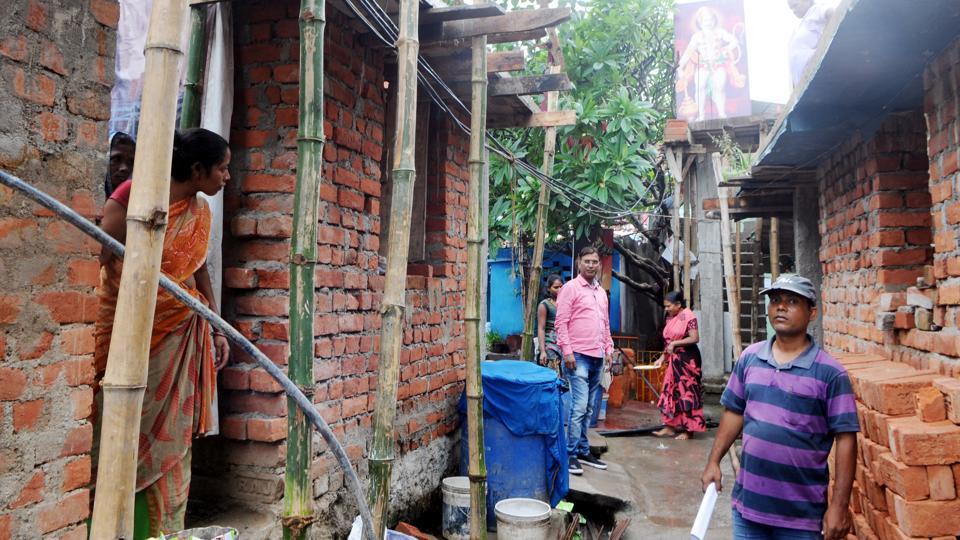
The government is likely to borrow Rs 10,000 crore for the 2017-18 fiscal from the National Small Savings Fund (NSSF), which has deposits worth Rs 1.2 lakh crore, to fund the Pradhan Mantri Awas Yojana (PMAY) in urban areas for the remaining months of this financial year, senior government officials familiar with the matter said.
This will take up the total allocation for the scheme to Rs 16,042 crore this fiscal.
The allocation for PMAY is likely to increase in the 2018-19 fiscal too.
“Though the Union housing and urban affairs ministry, which pilots PMAY, has sought Rs 30,000 crore, it is likely to get approximately Rs 20,000 crore. The government is likely to borrow this amount also from NSSF,” one of the officials said.
Under PMAY, which was launched in 2015, the government provides financial assistance of more than Rs 2 lakh crore to states for enabling 20 million poor people living in cities to have their own home by 2022.
Relying on government-administered corpuses like the NSSF will reduce the government’s reliance on the loanable funds markets and help rein in its fiscal deficits.
The Rs 10,000 crore that the finance ministry has agreed to give this fiscal and the Rs 20,000 crore that the housing ministry is likely to get in 2018-19, will be taken as a loan from NSSF at 7.5% interest, another government official said.
Modalities such as the time period after which the government will start repaying the principal amount — after three or five years — will be finalised shortly, the official added.
The government tried this new mode of financing for the first time in January last year when it allowed the Food Corporation of India to take a one-time loan of Rs 45,000 crore from NSSF to meet its food subsidy requirement.
The NSSF comprises of funds collected from small savings such as PPF, Kisan Vikas Patra, and the National Small Savings Scheme.
India’s April-October fiscal deficit stood at Rs 5,25,000 crore for April-October, which is already 96.1% of what the government has estimated for 2017-18.
This has raised concerns that the government might breach its fiscal-deficit target of 3.2% of GDP this financial year. “Taking the loan from NSSF will not only help reduce the costly market borrowings by the government, it will also make up for the shortfall in budgetary allocation for schemes,” the official added.


