
 E-Paper



Centre’s 5-point advice to 9 states driving recent Covid surge
The nine states that participated in the meeting today have reported a sharp rise in coronavirus cases recently.


The Centre held an important meeting on Friday to review the coronavirus situation in nine states that have witnessed a rapid rise in fresh Covid caseload in the past couple of weeks and advised the respective administrations on key areas of focus to contain the disease.
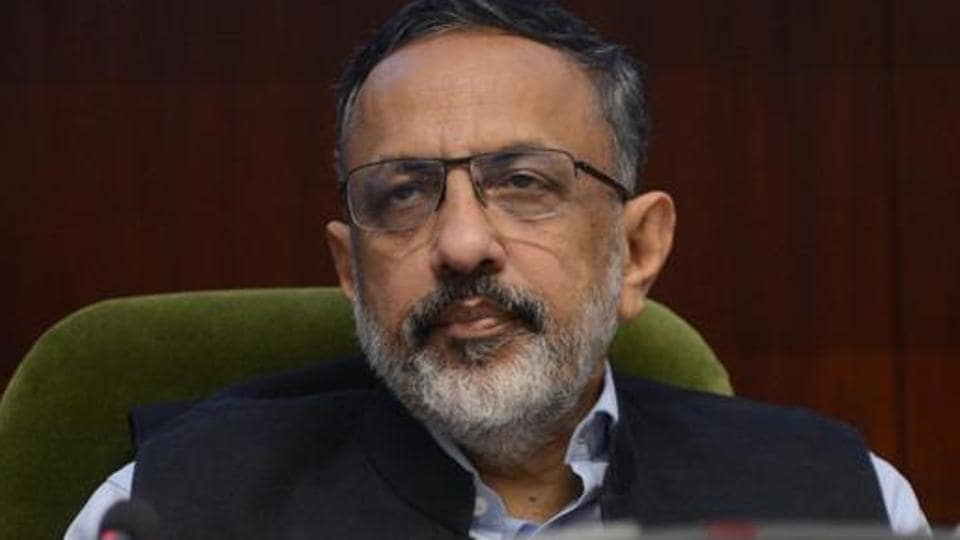
The virtual review meeting was chaired by cabinet secretary Rajiv Gauba and was attended by the chief secretaries and health secretaries of nine states--Andhra Pradesh, Bihar, Telangana, Odisha, West Bengal, Assam, Karnataka, Jharkhand and UP.
States were advised to measure their containment efforts in five key areas—testing in containment zones, delineation of containment zones, intensive contact tracing, house to house search within containment zones and mapping of high-risk population—to be able to get a better grip on the situation.
Union health ministry said that states were asked to ramp up testing while being advised on the merits of sustained and aggressive testing with special focus on containment zones.
“It was reiterated that sustained and aggressive testing is crucial for early identification of cases and to prevent the spread of infection,” the ministry of health and family welfare said.
Breaking the chain of transmission was also underlined as another key objective, which the centre said could only be achieved through prompt and proper delineation of containment zones as per the guidelines issued by the government from time to time. States were also advised to go for intensive contact tracing and house-to-house active case search within containment zones.
The HT Guide to Coronavirus COVID-19
India on Friday recorded the highest single-day surge of 49,310 Covid-19 cases that has taken India’s virus tally to 12,87,945. The death toll has risen 30,601 with 740 fresh fatalities. The government has been insisting that it was more important to keep the fatality rate low relying on early detection and treatment, especially among the vulnerable section.
This was reiterated in today’s meeting with the above mentioned states. They were told to conduct mapping of high-risk populations, particularly the elderly and those with co-morbidities.


