E-Paper



Char Dham Devasthanam Board: U’khand rethink on temple board plan
During a visit to Haridwar on Fridayto attend a central working committee meeting of the Vishwa Hindu Parishad at Shri Akhand Param Dham ashram, Rawat said the management of 51 temples under the Char Dham Devasthanam Management Board will be set aside from the purview of the board.

 Prefer HTon Google


Uttarakhand chief minister Tirath Singh Rawat said on Friday that the state government will review the formation of the Char Dham Devasthanam Board and separate the management of 51 temples from the board , effectively reviewing a controversial 2019 decision.
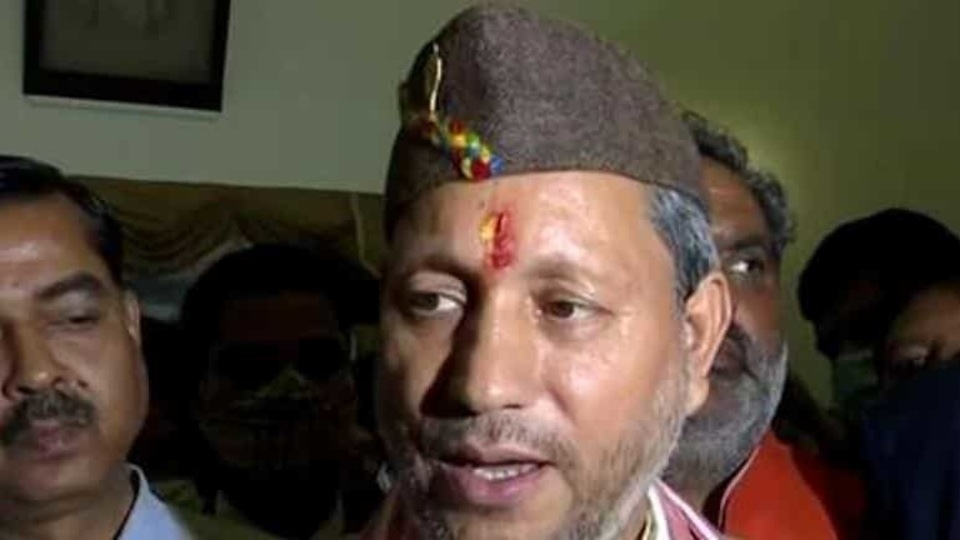
During a visit to Haridwar on Fridayto attend a central working committee meeting of the Vishwa Hindu Parishad at Shri Akhand Param Dham ashram, Rawat said the management of 51 temples under the Char Dham Devasthanam Management Board will be set aside from the purview of the board.
Akhadas, seers, priests of Char Dham and Vishwa Hindu Parishad leaders raised the issue of the management board, demanding its dissolution in the interests of local priests who have been traditionally managing these shrines.
Terming the saint community as a spiritual voice , Rawat said he was committed to acting on their demands.
“As far as the Devasthanam Board is concerned, the sentiments of the saint community will be fully taken care of and we will review it. The concern of saints and issues raised by them will be duly looked into and the state government is seriously reconsidering the Devasthanam Board matter. The ancient practice of management of Char Dham set by Adi Guru Shankaracharya will be adhered to and the teerth purohits of Char Dham will also be consulted,” said Rawat.
The Panch Dashnam Juna Akhada’s chief Mahamandaleshwar Swami Avdeshanand Giri also raised the issue with Rawat, demanding the exclusion of 51 temples from the board’s ambit and reviewing the formation of the board itself.
The other issues discussed during the meeting were the declaration of Shri Ram Setu as a national heritage site, freeing temples and Hindu shrines of government control and strict action against “love jihad”, a term used by the religious right wing to describe an alleged conspiracy by Muslim men to convert women’s religion by way of marriage.
Local priests have been protesting the government’s move since last year, alleging that the government takeover of Char Dham sites and 51 temples would sideline them from the management of these shrines, which have been managed for centuries by priests and seers.
The state Congress said it was always against any government takeover of temples managed by local priests for centuries.
Suryakant Dhasmana, state vice-president of the Congress, said that instead of merely saying the government will review the matter, the CM ought to have announced the scraping of the Char Dham board as it was formed against the wishes of the people of the state.
“If they don’t scrap it, we will dissolve the board when we come to power in 2022,” he said.
“The CM should convene a special one-day assembly session as mere announcements will not do. The board has been formed through an Act passed by the BJP government. It is a law. So saying that he will review it is not sufficient. Without consulting stakeholders, the Char Dham Devasthanam Board Act was passed. Now, if the CM is really serious, he should scrap the board through the legal process,” said Dhasmana.
In December 2019, the Uttarakhand state assembly passed the Char Dham Devasthanam Management Board Bill. In January 2020, after governor Baby Rani Maurya gave her assent to the Char Dham Devasthanam Management Act, 2019, local priests alleged that they were kept in the dark about the law. They alleged that the government took such a step to sideline them and ensure full government control of temple-related matters.
In July last year, the Uttarakhand high court dismissed a public interest litigation (PIL) filed by senior BJP leader Subramanian Swamy against the government takeover of the Char Dham shrines and 51 other temples through the formation of the board, ruling that the ownership of the temple properties would vest in the shrines and the powers of the board would be confined to the administration and management of the properties.