
 E-Paper



Woman donates to Covid-19 fund out of compensation money for husband’s death
Radhika’s good turn has touched a chord among the officials in the tribal-dominated Bastar district.


The wife of a slain Chhattisgarh Armed Forces (CAF) jawan, who was killed in a Communist Party of India (Maoist) attack in Bastar district on March 14, has donated ₹10,000 to the Chief Minister’s Relief Fund to fight against coronavirus.
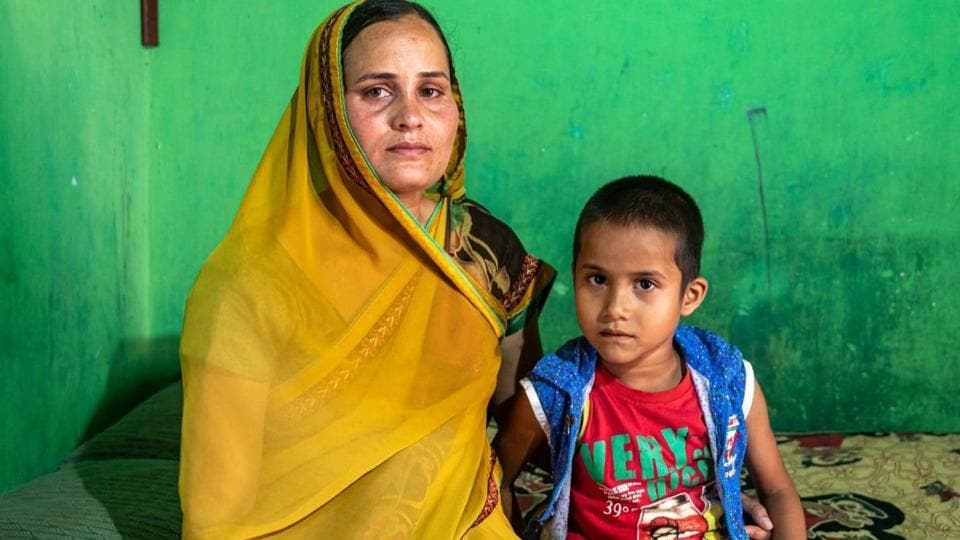
On March 14, two jawans of the Chhattisgarh Armed Forces (CAF), Upendra Sahu and Devendra Singh, were killed in an improvised explosive device (IED) blast triggered by the Maoist rebels near Bodli village in Bastar district.
“Sahu’s widow Radhika has donated ₹10,000 to the CM’s Relief Fund to combat Covid-19. It’s a heartwarming gesture from a martyr’s wife and that too only a month after she lost her husband to a Maoist attack. We’re proud of her,” said Deepak Jha, superintendent of police (SP), Bastar.
Radhika’s good turn has touched a chord among the officials in the tribal-dominated Bastar district.
“We tried to impress upon Radhika that instead of donating ₹10,000 to the CM’s Relief Fund, she could have deposited the money in her son’s account. But she insisted that there are many kids like her son, who’re going without food because of Covid-19, and this meagre sum can come in handy for them. She told us that her late husband always stood for such causes,” said Abinash Mishra, a probationary Indian Administrative Officer (IAS), who was present when she donated the money.
The Bastar Police authorities have made a short video clip on her selfless deed.
However, she is unfazed by the adulation. “I donated a fraction of what I had received as compensation from the government after my husband was martyred. My late husband always used to help people during their hard times. I’m doing what he would have done had he been alive,” Radhika told HT.
-kW0H-U20214218012MgB-250x250%40HT-Web.jpg)


