
 E-Paper



Chhattisgarh to review Maoist cases, clear way for accused in non-fatal offences
The government will construct community memorials at sites of major Maoist attacks to honour security personnel and civilians

 Prefer HTon Google


The Chhattisgarh government on Friday ordered a legal review of cases involving individuals jailed in non-serious Maoist-related offences that did not involve loss of life, paving the way for the release of eligible accused after due legal scrutiny.
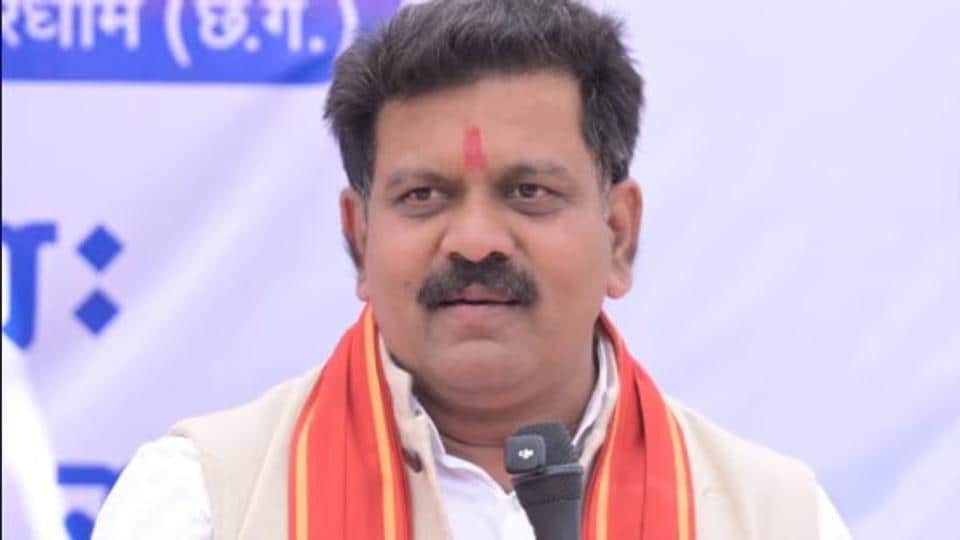
The decision was made during a police meeting on relief, rehabilitation and development works in Maoist-affected areas chaired by deputy chief minister and home minister Vijay Sharma on Friday.
The meeting was attended by principal secretary Niharika Singh Barik, secretary Neha Champawat and additional director general of police Vivekanand Sinha.
Sharma directed officials to constitute a team of prosecutors and lawyers, with assistance from the Law Department, to examine the withdrawal of eligible Maoist-related cases according to legal procedures.
He said those involved in non-serious Maoist cases that did not result in loss of life should be considered for release after completing the necessary legal process.
The state government also announced a major development push for areas that have emerged from Maoist influence. Villages that pass resolutions declaring themselves free of Maoist influence will receive development works worth ₹1 crore each.
According to officials, 50 such villages have been identified so far, including 20 each in Sukma and Bijapur districts and 10 in Narayanpur district.
Sharma directed officials to hoist the national flag in all Maoist-free villages on Independence Day this year to strengthen national unity, public confidence and people’s participation.
Also Read:Elephant attacks claim two more lives in Chhattisgarh, panic grips villages
He also instructed officials to provide houses to all families affected by Maoist violence and rehabilitated beneficiaries under the special provisions of the Pradhan Mantri Awas Yojana.
The government will construct community memorials at sites of major Maoist attacks to honour security personnel and civilians who lost their lives.
Officials were directed to ensure that all government benefits reach the families of martyred security personnel and civilians killed in Maoist violence without delay.
Sharma further instructed officials to ensure that incentive amounts under the state’s rehabilitation policy are disbursed to rehabilitated youths within one month. He also directed that benefits provided to Maoist victims and rehabilitated persons be updated regularly on a dedicated dashboard.
Sharma also asked officials to constitute an inter-state committee to verify and recover weapons looted by Maoists and to ensure that no firearms are left behind during anti-Maoist operations.
-kW0H-U20214218012MgB-250x250%40HT-Web.jpg)


