
 E-Paper



‘Partners, rather than rivals’: Chinese ambassador to India
Sun conveyed China’s position against the backdrop of partial disengagement by Indian and Chinese troops at key friction points in the Ladakh sector of the Line of Actual Control (LAC) after a two-month standoff.

 Prefer HTon Google


India and China need peace rather than confrontation and should work together to maintain peace and tranquillity along their disputed border until they find a “reasonable solution” to the complicated issue through negotiations, Chinese ambassador Sun Weidong said on Friday.
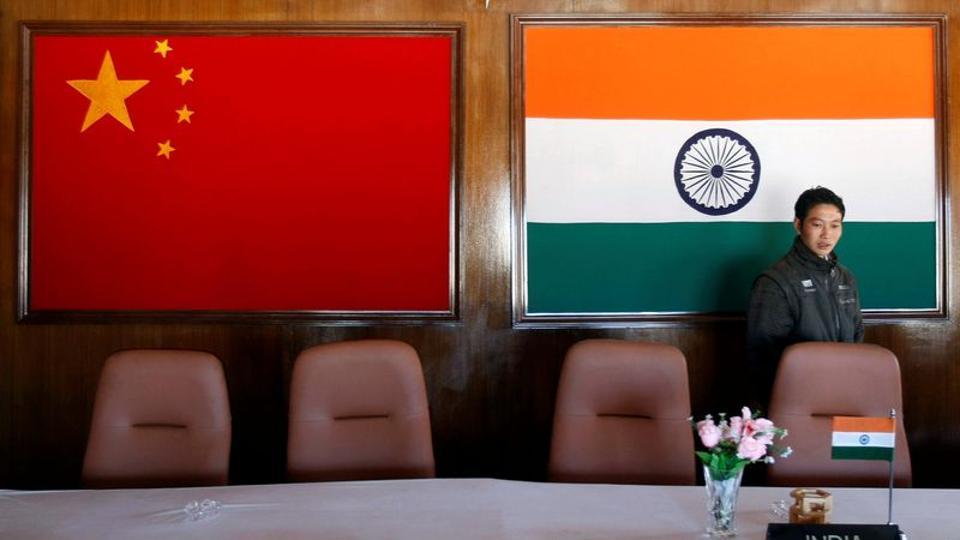
Sun said the two sides should be “partners, rather than rivals” and also addressed calls from some quarters for the “decoupling” of bilateral economic and trade relations and to exclude “Made in China” goods, saying non-tariff barriers and restrictive measures would be unfair to Chinese enterprises and Indian consumers.
The envoy further said India and China need to build trust through mutual respect and treating each other as equals. The two sides need to “respect and accommodate mutual core interests and major concerns” and adhere to the principle of non-interference in each other’s internal affairs, he said.
Sun conveyed China’s position against the backdrop of partial disengagement by Indian and Chinese troops at key friction points in the Ladakh sector of the Line of Actual Control (LAC) after a two-month standoff.
The Indian side is proceeding with the disengagement process with extreme caution and on Thursday reiterated its rejection of China’s claim on Galwan Valley, which was the scene of a violent clash on June 15 that left 20 Indian soldiers dead and resulted in unspecified Chinese casualties.
Sun made the remarks in a nearly 18-minute video posted on the Chinese embassy’s YouTube channel. The theme of his remarks was “Implement consensus and handle differences properly to bring China-India relations back on the right track” and the envoy made several references to the age-old ties between the two sides and the consensus achieved through the informal summits between Prime Minister Narendra Modi and President Xi Jinping since 2018.
The envoy’s remarks focused on five key points – India and China should be partners, rather than rivals, they need peace rather than confrontation, they should pursue win-win cooperation instead of a zero-sum game, they need to build trust rather than suspicion, and bilateral ties should move forward rather than backward.
“We need to seek convergence while putting aside differences and not impose one’s will on the other. We should honour our commitment, walk the talk, and ensure implementation of the leaders’ consensus in letter and in spirit,” Sun said.
“The two sides should conduct timely strategic communication, enhance mutual understanding and cooperation, manage differences through dialogue, and firmly grasp the direction of bilateral relations,” he added.
Referring to the phone conversation on July 5 between the two Special Representatives on border issues – India’s National Security Advisor Ajit Doval and China’s foreign minister Wang Yi – Sun said the two had agreed to strengthen communication through the mechanism of the Special Representatives, hold Meetings of the Working Mechanism for Consultation and Coordination (WMCC) on border affairs without interruption, consistently improve and strengthen confidence-building measures and prevent more incidents that undermine peace and tranquillity in the border areas.
The WMCC held its third virtual meeting since the beginning of the border standoff on Friday.
Sun acknowledged that China and India have a “sensitive and complicated” boundary issue left over from history and said: “We need to find a fair and reasonable solution mutually acceptable through equal consultation and peaceful negotiation. Pending an ultimate settlement, we both agree to work together to maintain peace and tranquillity in the border areas.”
He also referred to the violent clash of June 15 and described it as “an incident causing casualties at the Galwan Valley”. He added, “It was a situation neither China nor India would like to see.”
“China has all along advocated that peace is of paramount importance. We are neither a warlike state nor an assertive country. The right and wrong of what recently happened at the Galwan Valley is very clear. China will firmly safeguard its sovereignty and territorial integrity, and ensure the peace and tranquillity in the border areas,” Sun said.
The phone conversation between the Special Representatives resulted in “positive consensus on easing the current border situation” and “frontline troops are disengaging on the ground in accordance with the consensus reached by the Military Corps Commanders”, he said.
However, Sun said both sides can “avoid any strategic miscalculation” only by having a “correct view of each other’s intentions with a positive, open and inclusive attitude”.



