E-Paper



Class 10 scores to be based on avg of best from exams taken in West Asia: CBSE
CBSE exams from March 1 were cancelled in West Asia due to the regional conflict the US-Israeli attack on Iran sparked last month

 Prefer HTon Google


The results for Class 10 Central Board of Secondary Education (CBSE) examination in West Asia will be based on the average of the best scores of students in papers they appeared for between February 17 and February 28, before the remaining exams from March 1 were cancelled due to the regional conflict the US-Israeli attack on Iran sparked.
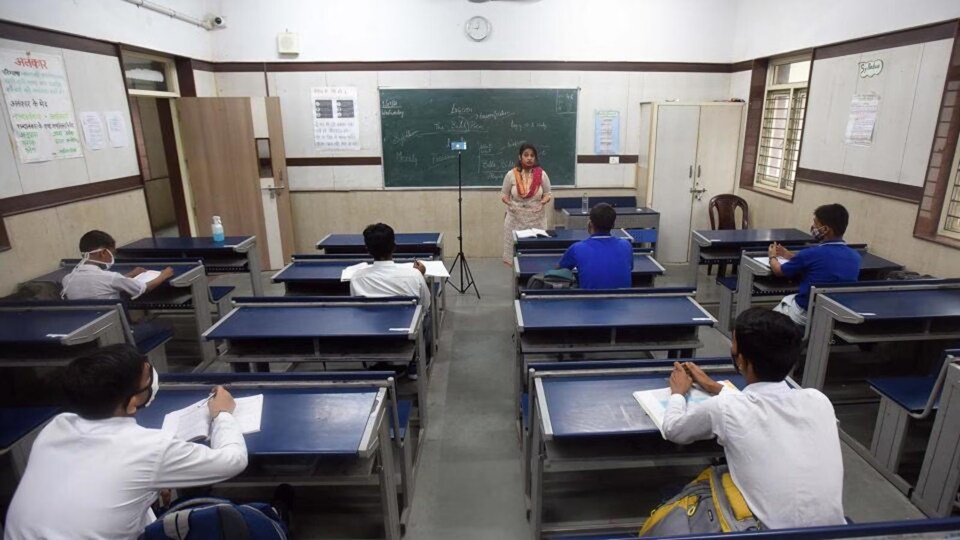
The board conducted examinations for six academic, 16 languages, and 22 skill subjects across over 150 affiliated schools in Bahrain, Iran, Kuwait, Oman, Qatar, Saudi Arabia, and the United Arab Emirates.
In a notification on Wednesday, the CBSE said it has categorised students into five groups based on the number of exams they were able to take—all papers, four, three, or two, and private candidates under the compartment category.
Students who appeared in four subjects will have their remaining subjects marked based on the average of their best three scores. Those who appeared in three subjects will be assessed using the average of their best two marks. Students who appeared in only two papers will have the remaining subjects evaluated based on the average of those two scores.
For private candidates registered for up to two subjects, results will be based on the exams they appeared in. If any paper was missed, they will be allowed to appear in the second board examination.
The CBSE clarified that results prepared under this scheme will be final, with no special examinations to be conducted beyond those specified in board policy. The results for West Asia students will be declared along with those of other regions.
Students will be allowed to improve their scores through the second board examinations scheduled in May. Schools have been asked to submit a tentative list of candidates by March 31. Examination fees will be collected after the declaration of results. The second examination will follow the same syllabus as the main board exams.
The board said a separate assessment scheme for Class 12 students will be announced later. The CBSE had conducted Class 12 examinations between February 17 and February 28 before postponing and cancelling the remaining papers in West Asia.
This was the first such disruption in the CBSE board exams since the Covid-19 pandemic. The board adopted a similar averaging method based on students’ best-performing subjects in 2020 when some papers were held, and others were cancelled. In 2021, Class 12 results were computed using a combination of Class 10, Class 11, and internal assessment scores when exams were cancelled entirely. Class 10 marks were based entirely on internal assessments.