
 E-Paper



Consortium unveiled by govt to study TB cases across country
Genome sequencing has picked up after a network of 38 laboratories was created under INSACOG (Indian SARS-CoV -2 Genomics Consortium) for the purpose of studying variations in SARS-Cov-2


India launched the Indian tuberculosis genomic surveillance consortium (InTGS) on Thursday -- on the occasion on on World Tuberculosis Day -- to study variations in tuberculosis (TB) bacterium across the country for better disease management.
Genome sequencing has picked up after a network of 38 laboratories was created under INSACOG (Indian SARS-CoV -2 Genomics Consortium) for the purpose of studying variations in SARS-Cov-2, the virus that causes the coronavirus disease (Covid-19). The government intends to make use of the same model to pick up early warning signs to manage TB, according to people familiar with the matter.
Even though there was a 19% increase in TB notifications in 2021 compared to 2020, highlighting that the pandemic-hit TB elimination programme was probably back on track, the TB prevalence survey results between 2019-2021 released by the government show a 31.7% prevalence among those aged 15 years and above.
“The prevalence of microbiologically confirmed PTB in ≥ 15 years age was 316 per lakh population (95% Confidence Interval: 290-342) in the country and varied from 151 per lakh (Kerala) to 534 per lakh (Delhi). The prevalence of all forms of TB for all ages in India was 312 per lakh population (286 -337) for the year 2021. The highest prevalence for all forms of TB was 747 per lakh (510 - 984) in Delhi and the lowest was 137 (76 - 198) in Gujarat. The prevalence of TB infection among population ≥ 15 years age is 31.4% (95% Confidence Interval: 27.2 – 33.5). Higher prevalence of PTB was observed in older age group, males, malnourished, smokers, alcoholics and known diabetics,” read excerpts from the study.
The majority (64%) of symptomatic population did not seek health care services. The reasons were ignoring the symptoms (68%), not recognising the symptoms as TB (18%), self-treatment (12%) and couldn’t afford to seek care (2%). Among the 36% of survey participants who sought care for their symptoms, there was equal preference for government and private facilities.
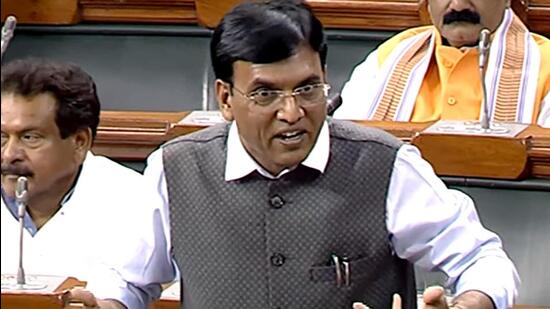
“For more than two years, we have been facing the global pandemic apart from TB prevalence. Both the diseases are highly contagious, air-borne and severely impact families and communities. As we move forward, let us through Jan Andolan and Jan Bhagidari involve various stakeholders and partners in our collative fight against TB, the same way we have collaborated in our fight against Covid-19,” said Union health minister Mansukh Mandaviya.
India has set 2025 as the target year for TB elimination, five years ahead of the sustainable development goal of 2030.
“Government policy is on the right track for getting rid of the disease; however, with a highly infectious disease like Tb we can’t be really sure of zero cases, but at least the government is talking about TB elimination, which is a positive step,” said Dr Sushil Kumar Munjal, chest physician, National institute of tuberculosis and respiratory diseases.


