
 E-Paper



Covid-19: What is a hard lockdown
Covid-19: Here’s is look at what hard lockdown means how is it different from the current restrictions placed across the country


Authorities in Uttar Pradesh announced on Wednesday a hard lockdown in 12 hotspots where most number of Covid-19 cases have been registered.
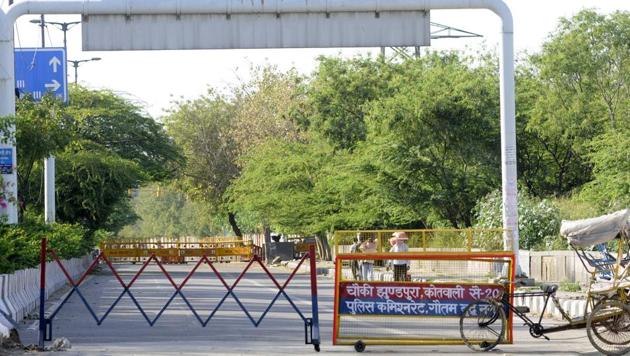
Twenty five such clusters - 13 in Ghaziabad and 12 in Gautam Budh Nagar - will be under intensive lockdown measures for a week, with residents confined indoors, all shops and banks shut, and all vehicular movement completely curtailed.
So, what is a hard lockdown? And how is it different from the current restrictions placed across the country to check the spread of Covid-19?
Here’s a look:
--Residents living in hot spots won’t be allowed to step out of their houses.
--All houses in hotspots will be searched and sanitised.
--Drones will monitor activities in the sealed areas.
--Health department staff will make house-to-house visit to identify infected people and quarantine them.
--Essential commodities, including edible items and medicines, will be delivered at doorsteps after order is placed online.
--Entry of media in hot spots will be banned. Only government photographer will be permitted and government will release pictures to the media.
--People can contact control rooms and helplines established by the districts’ administration for emergency services.
--People will have to cover their face with mask or scarf while moving in the lockdown areas.
--Administration and police will make public announcements through loudspeakers in the sealed and lockdown areas.
--Police will barricade the sealed area and organize intensive patrolling on roads and in lanes.
--Vegetable and fruit markets, banks and ration outlets will remain closed.
--Lockdown passes issued to civilians after March 25 will be ineffective
--Any person trying to enter or exit the hot spots till April 15 will be booked
--Vegetable and fruit markets, banks and ration outlets will remain closed.


