
 E-Paper



Dalai Lama bowls a googly at China, appoints Mongolian head of Buddhism
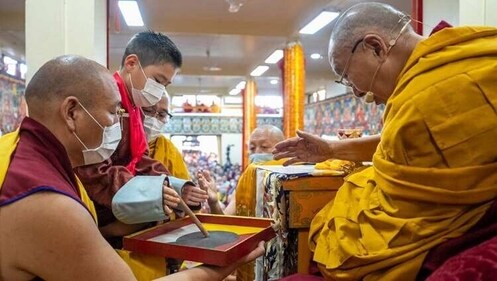
There are unconfirmed reports that eight-year-old boy reincarnated as Tenth Khalkha Jetsun Dhampa Rinpoche was anointed at a ceremony in Gandan Monastery end-February before formally enthroned by Dalai Lama at Dharamshala on March 8.

 Prefer HTon Google


The 14th Dalai Lama is a frail 87 year old who believes that he will live up to the biological age of 113 and has no immediate plans to announce his reincarnation as head of influential Gelugpa school of Tibetan Buddhism. The Communist Party of China hates him and calls him a “splittist” as President Xi Jinping pursues his Sinicization of Tibet policy with Beijing abrogating the power of official reincarnations of high lamas of the four schools of Tibetan Buddhism. Yet at this advanced age, the cancer survivor managed to bowl a googly to Beijing and clean bowled Xi Jinping regime by announcing the reincarnation of the third most senior lama or spiritual leader of Tibetan Buddhism and the head of the Gelugpa school in land-locked nation of Mongolia. The tenth Khalkha Jetsun Dhampa Rinpoche was anointed by the 14th Dalai Lama in a ceremony attended by some 600 Mongolians who travelled to Dharamshala to attend an event that has huge ramifications in this running battle between the Dalai Lama and the CPC and for survival of Tibetan Buddhism.
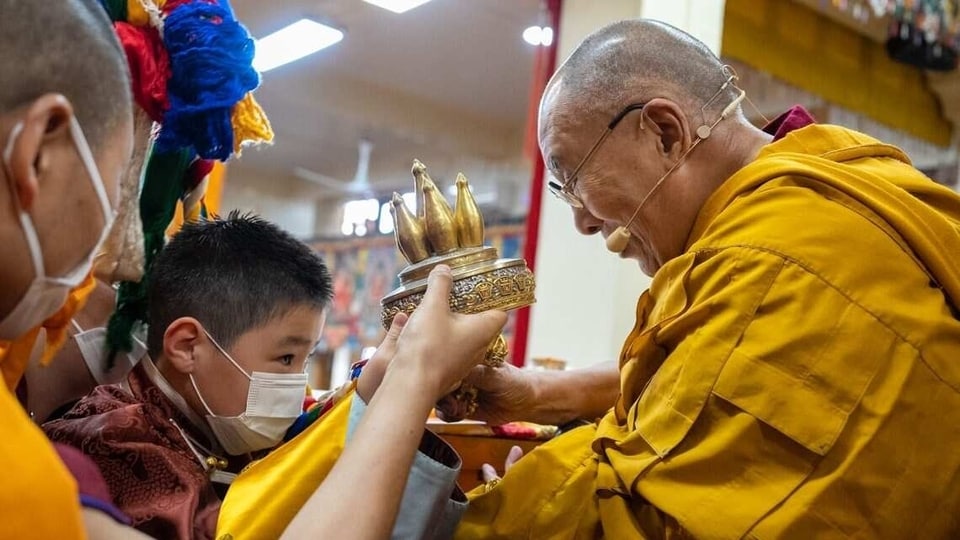
There are unconfirmed reports that the eight year old boy, who was born in the US in 2015, was anointed as the Tenth Khalka in a ceremony at Mongolia’s biggest GandanTegchinlen Monastery in end-February. The ceremony was attended by the Abbot of the monastery and the high lamas of Mongolia. However, Tibetan Buddhism experts say that the eight year boy only got legitimacy after he was declared reincarnation on March 8, culmination of the exercise that the 14th Dalai Lama undertook when he visited Ulan Bator in 2016.
The Tenth Khalkha is one of the twin boys named Aguidau and Achiltai Attanmar and belongs to one of the richest business and political empires in Ulan Bator. The Dalai Lama institution in Dhamashala remains tight-lipped over the real identity of the new Mongolian Tibetan leader as they feel he would be targeted by the Chinese regime.
Sandwiched between “no limits” allies Russia and China, Mongolia has played a key role in the Dalai Lama Institution as it was the Mongolian King Altan Khan who offered the title of Dalai Lama (Ocean of wisdom) to third Gelugpa Lama Sonam Gyatso, who in return conferred the title of “Brahma”, the king of religion, on Khan. The fourth Dalai Lama Yonten Gyatso was born in 1589 in Mongolia to the Chokar tribal chieftain Tsultrim Cheje, who was the grandson of Altan Khan and his second wife PhaKhen Nula.
While New Delhi has left the religious matter to be sorted out between the Dalai Lama, China, and Mongolia, it is only a matter of time when Beijing starts mounting pressure on Ulan Bator for getting caught unawares. The appointment of Tenth Khalka Rinpoche means that Tibetan Buddhism gets a new lease of life in Mongolia and shows that the 14th Dalai Lama has not backed down in his fight against the Chinese Communist regime and remains a politico-religious force to reckon even in occupied Tibet. That the eight year leader of the head of Buddhist faith in Mongolia was formally anointed in India is also a message for Beijing as the battle for Tibetan plateau continues 73 years after Lhasa fell to Chinese communist forces.
Clearly the tussle between the 14th Dalai Lama and CPC will intensify after this development as the 87 year old has made it public that he will not be reborn in occupied Tibet, leaving the option open that the 15th Dalai Lama could emerge from either the Himalayan Belt or anywhere outside China.


